In the ever-evolving landscape of large enterprises, customer relationships are the lifeblood of success. Imagine having a system that not only streamlines your interactions but also transforms these engagements into lasting partnerships. Welcome to the world of CRM systems for large enterprises, where technology meets strategy to unlock unprecedented growth.
As we delve into the intricacies of CRM systems, envision a future where every customer touchpoint is optimized and data-driven decisions pave the way for sustained success. It’s not just about managing relationships; it’s about redefining them for the digital age. Embark on this journey with us to discover how the right CRM system can be a game-changer for your enterprise.
Understanding CRM Systems for Large Enterprises

In the bustling world of multinational corporations, Customer Relationship Management (CRM) systems act as the silent orchestrators of client interactions and data centralization. These robust platforms are not just a luxury but a necessity for large enterprises seeking to maintain a competitive edge.
CRM systems are designed to streamline processes, improve customer satisfaction, and ultimately drive sales growth by integrating various business functions. They serve as the backbone for managing a company’s interactions with current and potential customers, ensuring every touchpoint is optimized for efficiency and personalization.
Key Functions of CRM Systems in Large Enterprises
CRM systems in large enterprises are equipped with a variety of functionalities that bring together different facets of customer management. These include:
- Sales Management: Automating sales processes to boost productivity and close deals faster.
- Customer Service: Providing tools for faster resolution of customer queries and issues.
- Marketing Automation: Enabling targeted marketing campaigns and tracking their effectiveness.
- Analytics and Reporting: Offering insights through data analytics for better decision-making.
These systems are adept at handling vast amounts of data, providing a unified view of each customer to foster deeper relationships and informed business strategies.
Examples of CRM Systems Used by Multinational Corporations
Several CRM systems have become go-to solutions for large enterprises due to their robust feature sets and scalability:
| CRM System | Notable Users | Key Features |
|---|---|---|
| Salesforce | Coca-Cola, Adidas | Customizable dashboards, AI-powered analytics |
| Microsoft Dynamics 365 | Walmart, Toyota | Seamless integration with Microsoft Office suite |
| SAP Customer Experience | Siemens, Nestle | Omnichannel customer engagement, real-time insights |
These platforms are chosen for their capability to integrate with existing systems and scale alongside the growing needs of a business.
Scalability Requirements of CRM Systems for Large Corporations
Scalability is a crucial factor when implementing CRM systems in large corporations. As these enterprises expand, their CRM systems must evolve to manage increasing volumes of data and interactions. The ability to scale efficiently ensures that the CRM system can support:
- Growing databases without compromising performance.
- Integration with other enterprise systems like ERP and SCM.
- Enhanced security features to protect sensitive customer data.
- Customization to accommodate evolving business strategies.
Successful CRM systems are those that not only grow with the enterprise but also enhance operational efficiency and customer satisfaction at each stage of expansion.
Case Studies Demonstrating Successful CRM Implementations
Many large enterprises have reaped significant benefits from implementing CRM systems. Let’s delve into a couple of detailed case studies:
“When Coca-Cola implemented Salesforce, they achieved a 20% increase in customer satisfaction by centralizing their customer data and automating service processes.”
Another compelling example is Toyota’s adoption of Microsoft Dynamics 365, which led to enhanced dealer communication and a smoother sales process across their global network. These successful implementations highlight the transformative impact of a well-chosen CRM system on large enterprises.
Features and Capabilities of Enterprise-level CRM Systems

In the bustling world of large enterprises, choosing the right CRM system is like selecting the perfect co-pilot for your business journey. These systems go beyond simple customer management, offering a suite of robust features tailored for complex organizational needs.
Enterprise-level CRM systems distinguish themselves from those designed for small businesses through their expansive feature set. From scalability to custom integration capabilities, they cater to the multifaceted nature of large organizations, ensuring every customer interaction is seamless and insightful.
Distinguishing Features of Enterprise CRM Systems
Unlike their smaller counterparts, enterprise CRM systems are built to handle vast amounts of data and support extensive customization. They offer:
- Multi-level Access Control: Ensuring data security and integrity across departments.
- Advanced Workflow Automation: Streamlining complex processes to boost efficiency.
- Customizable Dashboards: Providing tailored insights that resonate with diverse business needs.
- Scalability: Supporting growth without compromising on performance.
Comparing Top Enterprise CRM Systems
Here’s a comparison of the top four CRM systems that large enterprises trust for their comprehensive features:
| CRM System | Feature Set | Best For | Integration Capabilities |
|---|---|---|---|
| Salesforce | Customizable Workflows, AI Integration, Extensive AppExchange | Scalability and Customization | Seamless with ERP, Marketing Automation |
| SAP CRM | Robust ERP Integration, Comprehensive Data Management | Integrated Business Processes | Smooth with SAP Suite, Third-Party Apps |
| Microsoft Dynamics 365 | Unified Platform, AI-driven Insights, Office 365 Integration | Interdepartmental Collaboration | Compatible with Microsoft Products |
| Oracle CRM | Analytics Powerhouse, Cloud Adaptability, AI Capabilities | Data-Driven Decisions | Effortless with Oracle Suite, Cloud Services |
Integration with Other Enterprise Software
The ability to integrate seamlessly with other enterprise software is a hallmark of leading CRM systems. These systems are designed to:
- Enhance Collaboration: By connecting with ERP and HR systems, CRM enhances cross-functional teamwork.
- Streamline Data Flow: Ensures real-time data synchronization across platforms, reducing information silos.
- Support Hybrid Environments: Allowing a mix of on-premises and cloud-based solutions for flexible IT architecture.
Advanced Analytics and Reporting Features
Enterprise CRM systems shine with their advanced analytics and reporting capabilities, providing unparalleled business insights:
- Predictive Analytics: Anticipating trends and customer needs through AI and machine learning.
- Custom Report Generation: Tailored reports that align with specific business goals and KPIs.
- Real-Time Dashboards: Offering dynamic visualizations that keep teams updated on performance metrics.
- Data Mining Tools: Uncovering hidden patterns and opportunities within vast datasets.
“The right CRM system not only understands your business but also anticipates its next move.”
Benefits of Implementing CRM Systems in Large Enterprises
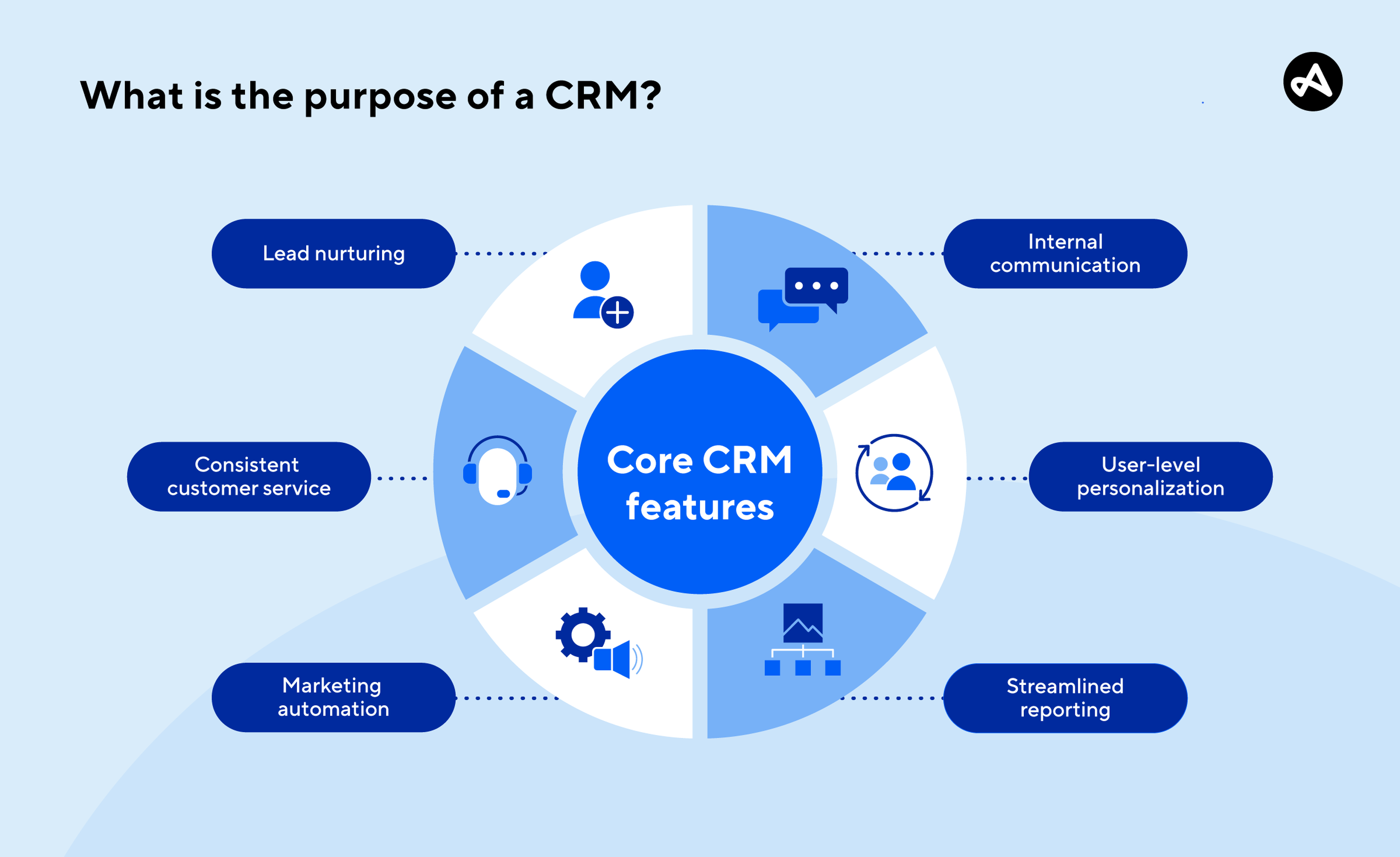
In the bustling world of large enterprises, maintaining a seamless connection with customers is paramount. CRM systems act as the linchpin, transforming scattered data into actionable insights that foster enriched customer relationships.
By centralizing customer information, CRM systems empower enterprises to tailor their strategies and enhance their engagement with clients. The result? A significant boost in customer satisfaction and loyalty, driving business growth to new heights.
Elevating Customer Relationship Management
CRM systems revolutionize the way enterprises manage customer interactions. By providing a 360-degree view of each customer, these systems enable businesses to deliver personalized experiences that resonate with their audience. This not only enhances customer satisfaction but also builds long-term relationships that are essential for sustained success.
Moreover, CRM systems streamline communication across various channels, ensuring that every interaction is consistent and meaningful. This cohesive approach helps large enterprises stay ahead in the competitive landscape.
Key Performance Indicators Enhanced by CRM
Implementing a CRM system leads to a noticeable improvement in several key performance indicators (KPIs). These include:
- Increased Customer Retention Rates: With tailored engagement strategies, businesses can significantly reduce churn rates.
- Higher Sales Conversion: By analyzing customer behavior, sales teams can focus on high-potential leads, improving conversion rates.
- Improved Customer Satisfaction Scores: CRM systems facilitate prompt and accurate responses to customer inquiries, boosting satisfaction levels.
Optimizing Sales Processes and Customer Service
CRM systems are not just about storing data; they are powerful tools that optimize sales and customer service processes. By automating mundane tasks, these systems free up precious time for sales teams to focus on what they do best—selling. Automated follow-ups, targeted marketing campaigns, and data-driven insights enhance efficiency and effectiveness.
In customer service, CRM systems provide support teams with all the information they need to resolve issues swiftly. This proactive approach leads to quicker resolutions and happier customers, turning service interactions into opportunities for building loyalty.
On-premise vs. Cloud-based CRM Solutions
When it comes to choosing between on-premise and cloud-based CRM solutions, large enterprises must weigh their specific needs and resources. Here’s a comparison to guide the decision-making process:
| Aspect | On-premise CRM | Cloud-based CRM |
|---|---|---|
| Deployment | Installed locally on company servers | Accessed via the internet |
| Cost | Higher upfront investment | Monthly or annual subscription fees |
| Scalability | Limited by physical infrastructure | Easily scalable with business growth |
| Maintenance | Requires in-house IT team | Managed by the service provider |
| Accessibility | Limited to office network | Accessible from anywhere |
“The right CRM system is a game-changer, turning customer data into a strategic asset.”
Challenges and Considerations for Large Enterprises Using CRM Systems

Implementing CRM systems in large enterprises is a journey filled with obstacles and strategic considerations. These challenges are not just technical, but also cultural and operational, requiring a multifaceted approach.
Understanding these hurdles can equip organizations with the foresight needed to navigate the complexities of CRM integration and utilization.
Overcoming Implementation Challenges
Large enterprises often encounter a myriad of implementation challenges when integrating CRM systems. These can range from aligning the system with existing business processes to ensuring seamless integration with other enterprise software. It’s critical to tailor the CRM to the organizational workflow to avoid disruptions and maximize efficiency.
- Compatibility issues with legacy systems
- Scalability concerns to handle high volumes of data
- Customization to meet specific business needs
Data Security and Compliance Considerations
For large enterprises, handling massive amounts of sensitive data brings unique security and compliance challenges. It’s imperative to prioritize data protection measures and adhere to regulatory requirements to prevent breaches and maintain trust.
| Aspect | Consideration |
|---|---|
| Data Encryption | Ensure all customer data is encrypted both at rest and in transit. |
| Regulatory Compliance | Adhere to industry standards such as GDPR, HIPAA, or CCPA, depending on the business sector. |
| Access Control | Implement strict access controls to limit data viewing and modification to authorized personnel only. |
Managing Change and Adoption
Successfully implementing a CRM system also involves managing organizational change and fostering user adoption. This can be a challenging task, as it requires altering established workflows and convincing stakeholders of the system’s value.
“Change is the only constant, but managing it effectively can transform challenges into opportunities.”
Organizations can drive adoption by:
- Conducting comprehensive training sessions
- Engaging users early and often in the implementation process
- Creating CRM champions within departments to lead by example
Evaluating Return on Investment (ROI)
Measuring the ROI of CRM systems in large enterprises is crucial to assess their value and effectiveness. It involves considering various metrics that reflect tangible and intangible benefits.
Some methods to evaluate ROI include:
- Analyzing customer retention and satisfaction levels
- Tracking revenue growth attributed to improved sales processes
- Calculating cost savings from enhanced operational efficiencies
By focusing on these areas, enterprises can gain a clearer picture of their CRM investment’s impact and make informed decisions for the future.
Future Trends in CRM Systems for Large Enterprises

The world of CRM systems is evolving rapidly, and large enterprises must keep pace with these changes to remain competitive. As technology advances, so do the possibilities for CRM systems, promising a future full of exciting opportunities and innovations.
With the integration of cutting-edge technologies, CRM systems are set to transform the way businesses interact with their customers and optimize their internal processes. Enterprises must prepare to leverage these advancements to drive growth and efficiency.
The Role of AI and Machine Learning in CRM Evolution
Artificial Intelligence (AI) and Machine Learning (ML) are at the forefront of the CRM revolution, bringing a new level of intelligence and automation to customer relationship management. These technologies are enabling CRM systems to analyze vast amounts of data, predict customer behavior, and offer personalized experiences with unparalleled precision.
AI-driven insights allow enterprises to uncover hidden patterns and trends, providing deeper customer understanding and more effective targeting strategies. Predictive analytics powered by ML can forecast future customer needs, helping businesses to proactively address issues and seize opportunities.
Supporting Remote Work and Digital Transformation
As remote work becomes the norm, CRM systems are evolving to support this new way of working by integrating collaborative tools and cloud-based accessibility. This transformation is crucial for maintaining productivity and ensuring seamless communication across dispersed teams.
“CRM systems are becoming the backbone of digital transformation, enabling organizations to adapt to changing work environments and customer expectations.”
Cloud integration, mobile access, and real-time data sharing are some of the features driving this shift, ensuring that teams can access critical information and collaborate effectively from anywhere in the world.
Emerging Technologies Impacting CRM Systems
A range of emerging technologies is set to reshape CRM systems in the coming years. From blockchain to the Internet of Things (IoT), these innovations promise to enhance data security, connectivity, and operational efficiency.
- Blockchain for secure and transparent data transactions.
- IoT integration for real-time data collection and customer insights.
- Voice recognition for hands-free interaction with CRM systems.
- Augmented Reality (AR) for immersive customer experiences.
Anticipated CRM Features in the Next Decade
As CRM systems continue to evolve, we can anticipate several innovative features that will redefine customer relationship management:
- Advanced AI-driven customer insights and automation.
- Seamless integration with social media platforms for real-time engagement.
- Enhanced data privacy measures leveraging blockchain technology.
- Greater personalization through augmented and virtual reality applications.
- Expanded capabilities for voice-activated CRM interactions.
- Proactive customer support powered by intelligent chatbots.
Best Practices for Selecting a CRM System for Large Enterprises

Choosing the right CRM system for a large enterprise can be a daunting task, but with the right approach, it can become a strategic advantage. Follow these best practices to ensure a successful selection process.
Understanding the unique requirements and operational dynamics of your enterprise is crucial in selecting a CRM system that aligns with your goals. Let’s delve into the steps and considerations you should focus on during this process.
Procedural Guide for Selecting the Right CRM System
A structured approach is essential for selecting a CRM system that fits your enterprise like a glove. Consider the following steps:
- Identify Business Needs: Begin by defining your enterprise’s specific requirements and objectives. This will guide your search and prevent unnecessary features that add complexity.
- Research and Shortlist Vendors: Conduct comprehensive research to identify potential CRM vendors that cater to large enterprises. Shortlist vendors based on their reputation, reliability, and client feedback.
- Evaluate Features and Capabilities: Assess the features of shortlisted systems to ensure they align with your business processes. Look for scalability, integration capabilities, and user-friendliness.
- Request Demos and Trials: Engage vendors for product demos or trial periods to experience the system’s usability and functionality firsthand.
- Make an Informed Decision: After thorough evaluation, select the system that best meets your enterprise’s needs, keeping in mind future growth and scalability.
Comparing Pricing Models for Enterprise CRM Systems
The pricing structure of CRM systems can significantly impact your budget and overall return on investment. Here’s a comparison of the common pricing models:
| Pricing Model | Description | Advantages | Disadvantages |
|---|---|---|---|
| Subscription-based | Regular fees based on user count or features. | Predictable costs, scalable as needed. | Can become costly as the user base grows. |
| Perpetual License | One-time fee for indefinite use. | Long-term cost savings, no recurring fees. | High upfront cost, may have hidden upgrade fees. |
| Usage-based | Charges based on system use (e.g., API calls). | Cost aligns with actual use, flexible. | Unpredictable expenses, potential for overspend. |
Best Practices for Customizing CRM Systems
Customization is key to tailoring the CRM system to your enterprise’s unique needs. Here are best practices to consider:
- Involve stakeholders in the customization process to ensure all department needs are met.
- Focus on essential customizations that enhance functionality without complicating the system.
- Leverage CRM APIs and integration capabilities to sync with existing tools and databases.
- Implement ongoing training programs to ensure employees are well-versed with custom features.
-
“Customization should enhance, not hinder, user experience.”
Checklist of Criteria for Evaluating CRM Vendors
Choosing the right vendor is just as important as selecting the right system. Here’s a checklist to guide your evaluation:
- Vendor’s experience with large enterprises.
- Customer support and service level agreements (SLAs).
- Security and compliance certifications relevant to your industry.
- Flexibility in contract terms and conditions.
- Availability of comprehensive training and onboarding programs.
- Feedback and reviews from existing clients in similar industries.
Closure

As we wrap up our exploration of CRM systems for large enterprises, the takeaway is clear: in today’s digital-first world, harnessing the power of a robust CRM system is not just a strategic advantage—it’s a necessity. By staying ahead of trends and implementing best practices, your enterprise can not only survive but thrive, fostering deep customer connections and driving remarkable growth.
Let your enterprise be at the forefront of innovation, where every customer interaction is an opportunity for excellence. Choose wisely, adapt swiftly, and let the future of CRM propel your business to new heights. The journey of transformation begins now—are you ready to lead the charge?