Imagine having a magical tool that not only organizes your customer information but also helps you understand them better, improve relationships, and drive your startup to new heights. That’s exactly what CRM software promises to do. In the bustling world of startups, where every customer interaction counts, having a reliable CRM system can be the game-changer you’ve been searching for.
In this guide, we’ll unravel the secrets of CRM software and discover how it can transform your startup. From understanding its core functions to exploring the most innovative features, we’ll navigate through the essentials and provide you with the insights needed to choose the best CRM software for your business. Let’s embark on this journey to elevate your startup’s potential and turn your customer data into actionable success strategies.
What is CRM Software?
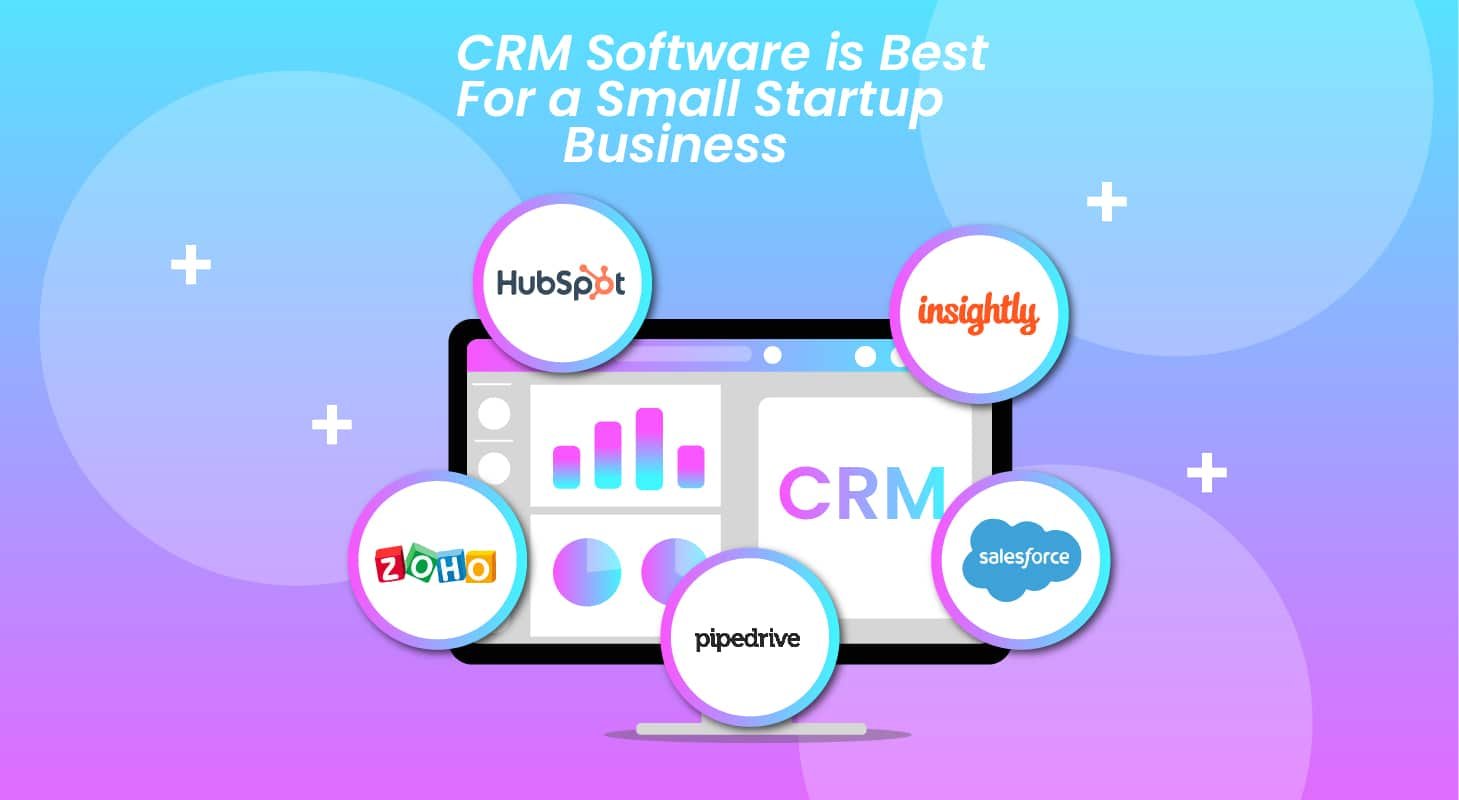
In the bustling world of startups, managing customer relationships can be a game-changer. CRM software acts like a trusty sidekick, helping businesses organize, streamline, and improve their interactions with customers.
CRM, or Customer Relationship Management software, is designed to assist companies in managing and analyzing customer interactions throughout the customer lifecycle. Its primary goal is to enhance business relationships, aid in customer retention, and drive sales growth. By collecting customer data from various channels, CRM software provides a centralized platform for businesses to get a 360-degree view of their clients.
Key Components and Features of CRM Systems
CRM systems are packed with features that empower businesses to optimize their customer relations strategies. Some of the core components include contact management, sales automation, customer support, and analytics. Let’s delve into these elements:
- Contact Management: Enables businesses to store and manage customer information such as names, addresses, and social media accounts in a single database.
- Sales Automation: Streamlines sales processes by automating tasks like follow-up emails, lead tracking, and sales forecasting.
- Customer Support: Provides tools for handling customer inquiries and issues, ensuring efficient and timely responses.
- Analytics: Offers insights through data analysis, helping businesses understand customer behavior and improve decision-making.
Benefits, Drawbacks, and Common Features
Understanding the advantages and limitations of CRM software is crucial for making an informed decision. The table below artikels the benefits, potential drawbacks, and common features of CRM systems:
| Benefits | Drawbacks | Common Features |
|---|---|---|
|
|
|
“A robust CRM system is like the Swiss Army knife of business tools—versatile, indispensable, and designed to enhance your operations at every turn.”
Importance of CRM Software for Startups
In the fast-paced world of startups, maintaining strong relationships with customers is paramount. With limited resources and fierce competition, CRM software becomes a crucial ally for businesses looking to flourish.
CRM tools are not just about managing contacts; they empower startups to streamline operations, automate routine tasks, and provide personalized experiences that can significantly enhance customer satisfaction and retention.
Streamlining Startup Operations with CRM
For startups, every minute and every resource counts. CRM software offers a lifeline by automating repetitive tasks such as data entry and follow-up reminders, allowing teams to focus on innovation and strategy rather than mundane tasks.
Imagine a scenario where sales teams are bogged down by administrative work. A CRM system can automatically log interactions, schedule meetings, and even suggest the best times to reach out to potential clients. This not only boosts productivity but also ensures that no opportunity slips through the cracks.
Enhancing Customer Satisfaction and Retention
Happy customers are the backbone of any successful startup. By leveraging CRM software, startups can deliver personalized experiences that resonate with their audience. This is achieved through analyzing customer data to tailor marketing efforts and customer support.
For example, a CRM system can identify which customers are nearing the end of their subscription period and prompt the support team to engage them with renewal offers or discounts. These proactive measures not only increase satisfaction but also foster loyalty and long-term retention.
Key Features to Look for in CRM Software
Choosing the right CRM software can be a game-changer for startups aiming to streamline operations and enhance customer satisfaction. The right features can help manage customer relationships more effectively and drive growth.
A well-equipped CRM system should not only store and manage customer information but also provide tools to enhance interactions, boost productivity, and deliver insightful analytics. Here’s a breakdown of the must-have features that can support startups on their journey to success.
Essential Features for Efficient Customer Management
Startups should prioritize CRM features that facilitate seamless customer relationship management. These functionalities form the backbone of any effective CRM system:
- Contact Management: Organize and track customer information effortlessly.
- Lead Management: Capture, track, and nurture leads from start to finish.
- Sales Automation: Automate repetitive tasks to focus on closing deals.
- Customer Support Tools: Provide top-notch service with integrated support features.
- Analytics and Reporting: Gain insights with detailed reports and dashboards.
Comparing CRM Software Features
With so many CRM options available, understanding the feature differences can aid startups in making informed decisions. Here’s a quick comparison of some popular CRM software features:
| CRM Software | Contact Management | Lead Tracking | Sales Automation | Analytics | Support Tools |
|---|---|---|---|---|---|
| CRM A | Yes | Advanced | Basic | Comprehensive | Yes |
| CRM B | Yes | Basic | Advanced | Limited | No |
| CRM C | Yes | Advanced | Advanced | Comprehensive | Yes |
Innovative CRM Functionalities
Startups thrive on innovation, and a CRM with advanced functionalities can provide a competitive edge.
“Innovation in CRM technology fuels startup growth by opening new avenues for customer engagement.”
Look for these cutting-edge features:
- AI-Powered Insights: Leverage artificial intelligence to gain predictive insights and recommendations.
- Social Media Integration: Connect with customers across various social platforms seamlessly.
- Mobile Accessibility: Manage customer relationships on-the-go with mobile-optimized CRM solutions.
- Customizable Interfaces: Tailor the CRM system to fit unique business needs.
Popular CRM Software Options for Startups
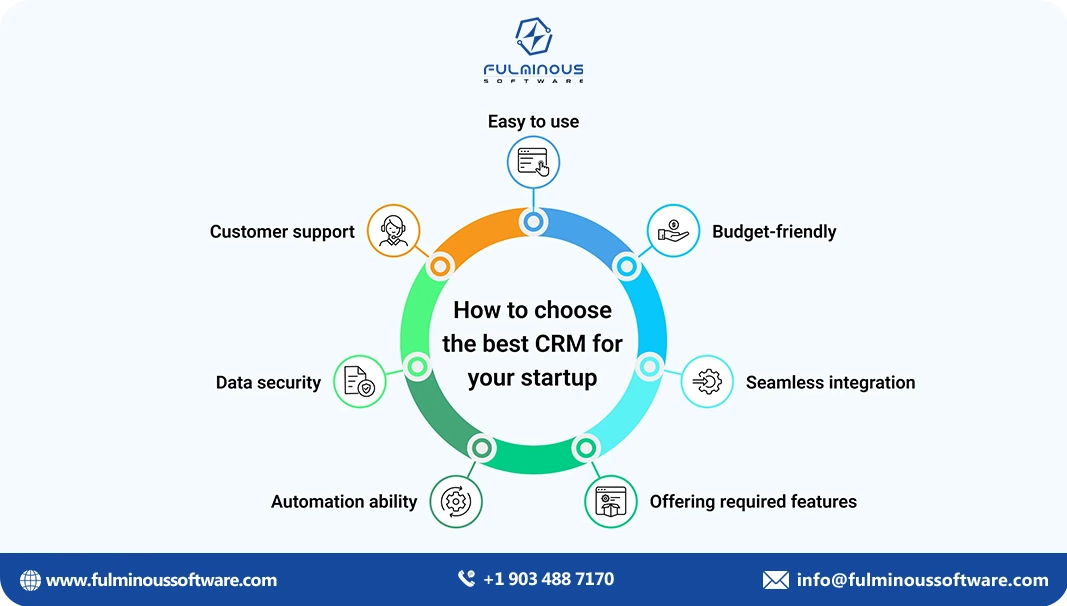
In the dynamic world of startups, finding the right CRM software can significantly streamline operations and enhance customer relationships. Let’s explore some of the top CRM software options that are tailored to meet the unique needs of startups.
The right CRM software can be a game-changer, helping startups manage customer interactions, track sales processes, and ultimately foster business growth. Here, we delve into popular CRM platforms that have proven themselves indispensable for burgeoning businesses.
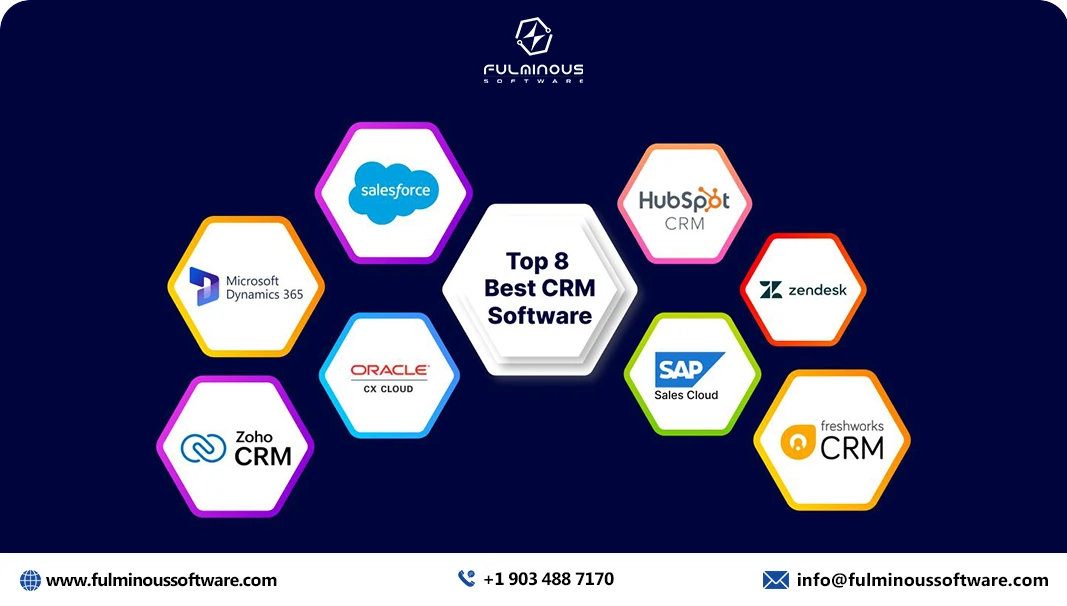
Top CRM Platforms Designed for Startups
For startups, choosing a CRM is not just about managing contacts. It’s about finding a solution that integrates seamlessly with existing operations while being adaptable to future growth. Here’s a look at some standout options:
| CRM Software | Unique Selling Points | User Testimonials |
|---|---|---|
| HubSpot CRM | Offers a comprehensive free tier; integrates with numerous tools; intuitive user interface. |
|
| Zoho CRM | Highly customizable; AI-driven insights; affordable pricing. |
|
| Salesforce Essentials | Scalable; integrates effortlessly with existing Salesforce apps; robust community support. |
|
| Pipedrive | Focuses on sales pipeline management; visually appealing interface; excellent for small teams. |
|
Each of these CRM solutions brings something unique to the table, whether it’s through innovative AI technologies, extensive integration capabilities, or user-friendly interfaces. Startups can leverage these platforms to not only streamline their sales processes but also improve customer satisfaction and drive long-term growth.
Integrating CRM Software with Existing Systems
Startups often juggle multiple tools and platforms, each crucial in its own way. Integrating a CRM system seamlessly with these existing tools can transform operational efficiency and boost productivity. But how can startups ensure this integration is smooth and effective?
Understanding the technical nuances of integration can save startups significant time and resources. Here’s a closer look at how you can integrate your CRM software with existing systems to create a harmonious digital ecosystem.
Methods for Seamless Integration
Bringing together various startup tools with a CRM system requires strategic planning and execution. Here are proven methods to achieve a seamless integration:
- API Connections: Leverage open APIs provided by your CRM and existing systems. This allows for real-time data exchange and automation.
- Third-Party Integration Tools: Platforms like Zapier or Integromat can bridge the gap between different applications, simplifying the integration process.
- Custom Development: When off-the-shelf solutions fall short, consider a tailored approach with custom development to ensure perfect fit and functionality.
- Plugin and Extensions: Many CRMs offer plugins that integrate with popular tools like email clients and social media platforms.
Data Migration from Old Systems to New CRM
Transitioning data from legacy systems to a new CRM software can be daunting, yet it’s a crucial step for startups to unlock the CRM’s full potential. Here’s a step-by-step guide to mastering data migration:
- Assessment: Identify the data that needs to be migrated, ensuring it’s clean and relevant.
- Mapping: Map data fields between old systems and the new CRM to maintain consistency and integrity.
- Testing: Conduct trial migrations to test the process without risking data loss.
- Execution: Perform the full data migration, ideally during low business hours to minimize disruption.
- Validation: Post-migration, verify that all data has been accurately transferred and is functioning as expected.
Guide for Evaluating Integration Success
After integrating CRM software with existing systems, it’s vital to assess its effectiveness and impact on business operations. Use this guide to evaluate the success of your integration:
- Performance Metrics: Monitor system performance and speed to ensure they meet the expected benchmarks.
- Data Accuracy: Check for data consistency across platforms, ensuring no discrepancies.
- User Feedback: Gather feedback from team members to identify any issues or areas needing improvement.
- Error Logs: Regularly review logs for any integration errors that could disrupt workflows.
- System Downtime: Evaluate any downtime experienced during or after integration to understand impact and areas for improvement.
Best Practices for Implementing CRM Software in Startups
Implementing CRM software in a startup can be a game-changer, but it requires careful planning and execution. To make the transition smooth and effective, startups need to follow a series of best practices that ensure minimal disruption and maximum benefit.
Let’s delve into a structured approach to implementing CRM software, tackling potential challenges, and ensuring your team is well-equipped to leverage this powerful tool.
Step-by-Step Procedure for Implementation
Embarking on the journey of CRM implementation can seem daunting, but breaking it down into steps ensures clarity and focus. Here’s a structured approach:
- Define Clear Objectives: Start by identifying what you aim to achieve with the CRM. Is it better customer service, enhanced sales processes, or improved data management?
- Select the Right CRM: Choose a CRM that aligns with your startup’s size, industry, and specific needs. Remember, the best choice is the one that fits your unique requirements.
- Prepare Data for Migration: Cleanse and organize existing data to ensure seamless migration. This will prevent issues during the transfer and maintain data integrity.
- Develop a Detailed Implementation Plan: Artikel the steps, timelines, and resources needed. Assign responsibilities to team members to keep the process on track.
- Execute in Phases: Roll out the CRM in manageable phases to allow for testing and adjustments. This helps in identifying issues early and adapting as needed.
- Monitor and Optimize: Once live, continuously monitor its performance and gather feedback for ongoing improvements.
Overcoming Implementation Challenges
Startups often face specific hurdles when implementing new technology. Recognizing these challenges early can pave the way to overcoming them:
- Resistance to Change: Employees may be hesitant to adopt new systems. To address this, emphasize the
enhanced efficiency and ease
the CRM brings.
- Limited Resources: With tight budgets, it’s crucial to plan meticulously. Consider starting with a basic version of the CRM and scaling as your company grows.
- Data Migration Complexity: Transferring data can be a technical headache. Invest in expert assistance if needed to ensure a smooth transition.
Training Strategies for Maximizing CRM Utilization
For the CRM to truly shine, your team must be comfortable and competent in using it. Here are some strategies to enhance staff training:
- Interactive Training Sessions: Conduct hands-on workshops where employees can engage with the CRM and ask questions in real-time.
- Role-Based Training: Customize training sessions based on different roles within the startup to ensure relevance and applicability.
- Continuous Learning Opportunities: Offer resources such as webinars or online courses to keep skills sharp and knowledge up-to-date.
- Feedback Loops: Encourage staff to share their experiences and suggestions, creating a collaborative environment for improvement.
Implementing CRM software effectively can propel your startup toward success, provided you approach it with strategic planning and a focus on continuous improvement.
Conclusion
Now that you’re equipped with the knowledge of CRM software and its unparalleled benefits for startups, it’s time to take the leap. Selecting the right CRM can be the key to unlocking customer loyalty and driving sustainable growth. So, why wait? Dive into the world of CRM and watch your startup thrive like never before. With the right tools and strategies, the sky’s the limit!