In the fast-paced digital world, where customer relationships define success, integrating Customer Relationship Management (CRM) with email is the secret weapon your business needs. Imagine effortlessly streamlining your communications, enhancing customer interactions, and boosting your productivity—all with a seamless system that works tirelessly behind the scenes. Welcome to the future of business efficiency.
By merging the power of CRM with the versatility of email, businesses can revolutionize their approach to customer engagement. This integration not only automates processes but also empowers your team to focus on what truly matters—delighting your customers. Let us guide you through the transformative journey of CRM-email integration, where innovation meets simplicity.
Benefits of Integrating CRM with Email
In the bustling world of business, where every interaction counts, integrating CRM with email can be a game-changer. This synergy not only streamlines communication but also turbocharges productivity and customer satisfaction.
By merging the robust capabilities of CRM systems with the ubiquitous power of email, businesses can create a seamless flow of information that enhances customer experiences and drives growth.
Advantages for Business Efficiency
Integrating CRM with email platforms offers businesses a treasure trove of advantages. One of the standout benefits is the ability to centralize customer information, making it easily accessible for marketing, sales, and support teams. This centralized data leads to more informed decision-making and personalized customer interactions. For instance, when a customer support agent can access all prior communications and purchase history directly from their email client, they can provide a more tailored and efficient service experience.
Enhancing Customer Communication
Seamless integration between CRM and email allows businesses to maintain a consistent voice across all customer touchpoints. This integration ensures that every message is informed by the full context of the customer relationship. A practical example is when a sales team can track email opens and clicks in real-time, adapting their follow-up strategies based on this engagement data. Such informed communication builds stronger relationships and improves conversion rates.
Boosting Productivity through Automation
Automation is where CRM-email integration truly shines. By automating routine tasks such as email follow-ups, appointment scheduling, and data entry, businesses can free up valuable time for employees to focus on strategic initiatives. For example, automated workflows can trigger personalized email campaigns based on specific customer behaviors, like recent purchases or abandoned carts, ensuring timely and relevant engagement without manual effort.
Impact on Customer Retention Rates
Integrated systems are pivotal in enhancing customer retention. They enable businesses to track and analyze customer interactions comprehensively, identifying trends and pain points that can be addressed proactively. By maintaining an ongoing dialogue through well-timed, personalized emails, businesses can foster loyalty and reduce churn rates. As a result, companies that leverage these integrated systems often see a significant uptick in their customer retention metrics.
Steps to Integrate CRM with Email
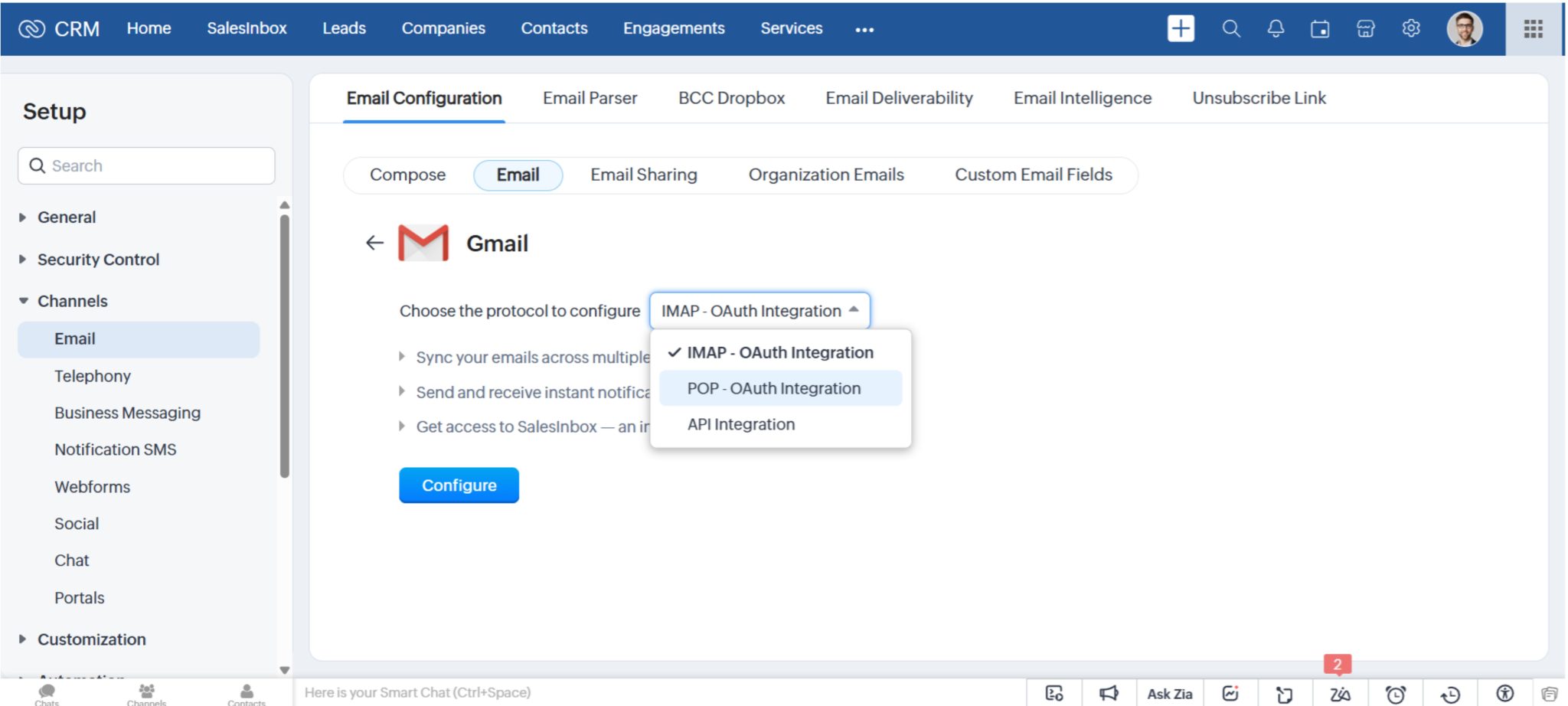
Integrating CRM with your email platform can transform the way you manage customer relationships. With a seamless connection, your business can achieve greater efficiency, better communication, and enhanced customer satisfaction.
In this section, we will take you through a clear, step-by-step procedure to ensure a smooth integration process. We’ll not only guide you on how to connect these platforms but also highlight the essential tools and methods for testing the integration for reliability.
Detailed Step-by-Step Integration Process
Follow these steps to connect your CRM with your email platform effectively. Each step is crucial for a successful integration, ensuring that your workflow runs smoothly and your data remains synchronized.
| Step Number | Action | Description | Result |
|---|---|---|---|
| 1 | Select Tools | Identify and choose the right CRM and email platform integration tools, such as Zapier or Integromat. | Tools are ready for integration. |
| 2 | Authorize Access | Provide necessary permissions to connect your CRM with the chosen email platform. | Authorized access to both platforms. |
| 3 | Set Up Triggers | Configure triggers in the integration tool to specify when data should be transferred. | Automated data flow initiated. |
| 4 | Map Data Fields | Align data fields between CRM and email platform to ensure accurate data transfer. | Data consistency achieved. |
| 5 | Test Integration | Conduct tests to verify that data is correctly and reliably transferred between systems. | Confirmed functionality and reliability. |
“Integration without testing is like a car without wheels – it simply won’t go far.”
Testing is an integral part of the integration process. Run tests for each trigger and data mapping to ensure everything is functioning as intended. This step helps catch any issues early and guarantees a dependable system that supports your business goals.
Top CRM and Email Platforms for Integration

In today’s fast-paced business world, having a cohesive customer relationship management (CRM) system combined with your email platform can be a game-changer. By integrating these tools, you unlock a world of efficiencies and enhanced communication.
This integration not only streamlines interactions with your clients but also empowers your business with valuable insights and automation. Let’s dive into the top CRM and email platforms that effectively marry these capabilities.
Leading CRM Systems Supporting Email Integration
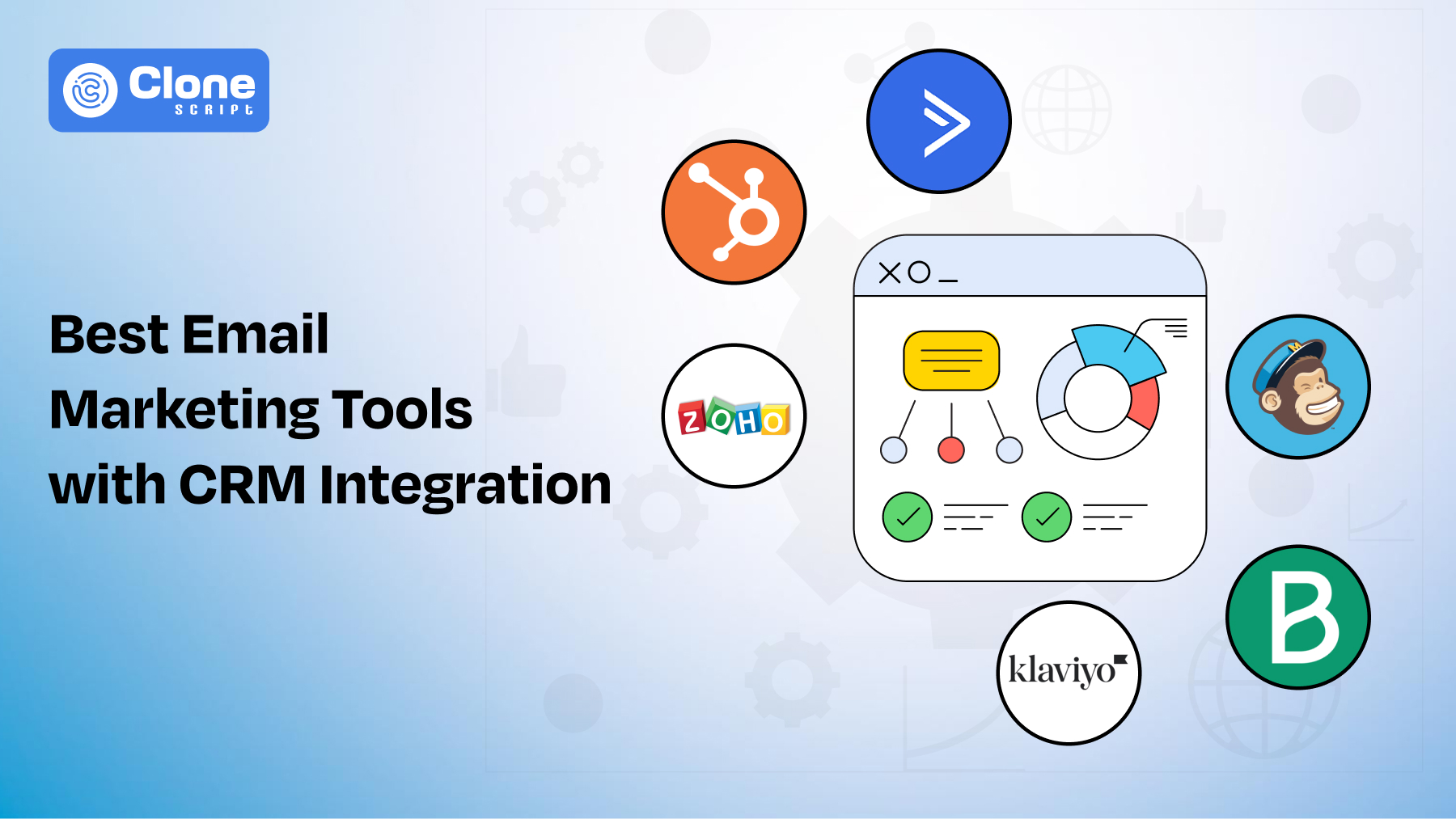
The market is teeming with CRM platforms designed to seamlessly integrate with email systems, making it easier than ever to manage and enhance customer interactions. Some of the most popular CRM solutions include:
- Salesforce: Known for its robust features and extensive customization options.
- HubSpot: Offers an intuitive interface with built-in marketing tools.
- Zoho CRM: Highly flexible with a suite of productivity apps.
- Microsoft Dynamics 365: Integrates well with Microsoft products, perfect for existing Microsoft users.
Commonly Integrated Email Platforms
Email platforms are the backbone of communication, and selecting the right one to integrate with your CRM can significantly impact productivity. Popular email platforms include:
- Gmail: Widely used with a simple interface and powerful search capabilities.
- Outlook: Preferred by enterprises for its seamless integration with Microsoft services.
- Mailchimp: Excellent for email marketing campaigns with analytics features.
- SendGrid: Known for its email deliverability and API support.
Comparison of CRM-Email Integration Solutions
Choosing the right integration solution can be daunting. Here’s a comparison to help you make an informed decision:
| CRM Platform | Email Platform | Integration Features | User Rating |
|---|---|---|---|
| Salesforce | Gmail | Email tracking, automation, and AI-driven insights | 4.8/5 |
| HubSpot | Outlook | Marketing automation, contact management, and reporting | 4.7/5 |
| Zoho CRM | Mailchimp | Campaign management, analytics, and lead scoring | 4.6/5 |
| Microsoft Dynamics 365 | SendGrid | Email deliverability, API integration, and workflow automation | 4.5/5 |
“Integrating your CRM with the right email platform can propel your business forward, creating smoother processes and happier customers.”
Challenges and Solutions in CRM-Email Integration
Navigating the realm of CRM and email integration is akin to embarking on a voyage through uncharted waters. Despite its transformative potential, the journey is often fraught with significant challenges. But fear not, for every challenge presents an opportunity for innovation and growth.
In this section, we’ll explore the common obstacles encountered during the integration process and arm you with the insights and best practices needed to overcome them effectively.
Data Synchronization and Consistency
One of the most persistent challenges is ensuring seamless data synchronization between CRM systems and email platforms. Discrepancies in data can lead to inconsistent customer insights, hampering your ability to deliver personalized experiences.
- Implement real-time data synchronization to ensure updates in the CRM reflect instantly in your email tool.
- Utilize API integrations to automate data exchanges and minimize manual intervention.
- Regularly audit your systems to identify and rectify data discrepancies.
Maintaining Data Security and Compliance
Security concerns and regulatory compliance are paramount when integrating CRM with email. Ensuring that sensitive customer data is protected during transfer and storage is a non-negotiable requirement.
- Adopt end-to-end encryption for data transfers to protect customer information.
- Ensure your CRM and email platforms are GDPR and CCPA compliant, safeguarding customer privacy.
- Regularly update security protocols to combat emerging cybersecurity threats.
Integration Complexity and Compatibility
The technical intricacies of CRM-email integration can be daunting, especially when dealing with legacy systems or platforms that lack compatibility.
- Invest in a scalable CRM solution that offers robust integration capabilities.
- Consider using a third-party integration tool that bridges compatibility gaps.
- Engage with a seasoned IT specialist to navigate complex integration challenges.
Real-Life Solutions and Success Story
Let’s take a closer look at how a renowned company tackled these integration challenges. In this case, Company X faced significant hurdles with data synchronization, affecting their customer relationship management efficiency.
“By leveraging a specialized third-party integration platform, Company X was able to streamline data flow between their CRM and email systems. This not only resolved synchronization issues but also enhanced their marketing campaigns, leading to a 30% increase in customer engagement within three months.”
The success story of Company X exemplifies how strategic planning and the right tools can transform daunting integration challenges into opportunities for exceptional growth.
Security Measures for CRM-Email Integration

In a digital age where data breaches are rampant, integrating your CRM with email systems requires stringent security measures. Protecting sensitive information is paramount to maintaining trust and safeguarding your business interests.
When CRM systems and email platforms merge, they create a treasure trove of data that can be a target for cybercriminals. Understanding the security landscape and implementing robust safeguards is not just an option—it’s a necessity.
Recognizing Security Risks in CRM-Email Integration
Integrating CRM with email systems can expose several vulnerabilities if not handled correctly. Risks include unauthorized access, data interception, and potential data loss. These threats underline the importance of taking proactive steps to secure integrations.
Importance of Secure Integration Protocols
Establishing secure integration protocols is crucial to protect data as it moves between systems. Secure Socket Layer (SSL) and Transport Layer Security (TLS) protocols are essential for ensuring data is encrypted and transmitted securely, reducing the risk of interception.
Best Practices for Maintaining Data Security
Employing best practices post-integration fortifies the system against potential threats. Consider the following:
- Conduct regular security audits to identify and rectify vulnerabilities.
- Implement strong password policies and multi-factor authentication methods.
- Ensure all software and systems are up-to-date with the latest security patches.
- Restrict access based on roles to limit data exposure.
- Use secure APIs and enforce data encryption both in transit and at rest.
Role of Encryption in Protecting Integrated Systems
Encryption is the cornerstone of data protection in CRM-email integration. It ensures that even if data is intercepted, it remains unreadable without the proper decryption keys. Implementing end-to-end encryption means that only authorized users can access sensitive information, providing a robust defense against unauthorized access.
“Encryption is not just a feature, but a fundamental aspect of data security in integrated systems.”
Future Trends in CRM and Email Integration
As technology propels us into a new era of connectivity and automation, the integration of CRM with email is poised for transformative changes. Businesses are keen on harnessing the power of emerging technologies to streamline processes and enhance customer interactions.
Innovations like AI, machine learning, and other digital advancements are not just on the horizon but are actively reshaping how CRM-email integrations function. Let’s explore the trends that are set to revolutionize this landscape.
Emerging Technologies Influencing CRM-Email Integration
Emerging technologies are redefining the possibilities in CRM-email integration. Artificial intelligence is playing a crucial role, offering predictive insights and automating routine tasks. AI-driven analytics can provide businesses with actionable data about customer preferences and behaviors, which in turn helps in crafting personalized email marketing strategies. Moreover, the integration of IoT devices ensures real-time data collection, allowing for an immediate and informed response to customer needs.
The Role of AI and Machine Learning in Integration Processes
AI and machine learning are no longer futuristic concepts but are becoming integral to CRM systems. These technologies enable the automatic sorting and categorization of emails based on content, urgency, and relevance. Machine learning algorithms can also predict customer responses and suggest the best times to engage, drastically improving open rates and engagement levels. The continuous learning capability of these technologies means that CRM systems can evolve with customer interactions, providing personalized experiences at scale.
Enhancing User Experience with Future Trends
Future trends in CRM-email integration promise to significantly enhance user experience. Real-time synchronization and advanced filtering options will allow users to focus on high-priority tasks, reducing information overload. Integration with virtual assistants can automate routine follow-ups, while advanced data analytics provide insights into customer behavior patterns, enabling more strategic decision-making.
Speculative Scenario: CRM-Email Integration in the Next Decade
Imagine a decade from now, where CRM-email integration is not just seamless but intuitive. Holographic interfaces could allow users to interact with customer data in three dimensions, providing a more immersive experience. AI-driven sentiment analysis might instantly gauge customer emotions from email content, allowing for real-time adjustment of communication strategies. Autonomous CRM systems could predict market trends and adjust marketing campaigns proactively, ensuring businesses remain one step ahead.
Last Word

As we stand on the threshold of a new era in customer relationship management, integrating CRM with email is not just an option—it’s a necessity. This powerful combination promises to elevate your business processes, driving both productivity and customer satisfaction. Embrace this evolution, and watch as your business thrives in ways you never imagined. The future is integrated, and it’s time to make it yours.