Imagine unleashing the true potential of your business relationships with tools that are as flexible as your imagination allows. Open source CRM solutions are the unsung heroes in the world of customer relationship management, offering freedom, customization, and the power to adapt to your unique business needs. If you’ve been constrained by proprietary software, it’s time to embrace the open source revolution that promises not just a service, but a partnership in growth and innovation.
These solutions don’t just stop at offering you the basics; they are crafted by vibrant communities driven by passion and expertise. With open source CRM, you’re not just a user—you’re part of a dynamic ecosystem. Dive into the world of open source CRM solutions and discover how they can transform your business operations, all while ensuring compliance and security. Get ready to say goodbye to limitations and hello to endless possibilities.
Overview of Open Source CRM Solutions

In today’s fast-paced business environment, managing customer relationships with efficiency and flexibility is a must. Open source CRM solutions offer an attractive alternative to traditional software, allowing businesses to tailor their systems effortlessly.
By leveraging open source CRM tools, organizations can gain unparalleled customization capabilities and cost-effectiveness, empowering them to scale their operations and nurture customer relationships with ease.
Benefits of Open Source CRM Solutions
Adopting open source CRM systems unleashes a world of advantages, from unrestricted customization to significantly reduced expenses. Unlike proprietary systems, which often come with hefty licensing fees and limited flexibility, open source solutions allow businesses to tailor software to their unique needs without breaking the bank.
Furthermore, open source platforms boast a vibrant community support network, ensuring that businesses are never alone in their customization journey. This collaborative ecosystem provides a wealth of shared knowledge, troubleshooting tips, and enhancement modules.
Differences Between Open Source and Proprietary CRM Systems
The distinction between open source and proprietary CRM solutions lies in their core philosophies. Open source solutions are built on the principle of transparency and collaboration, offering complete access to the source code. This not only fosters innovation but also caters to specific business requirements that may not align with one-size-fits-all proprietary offerings.
| Aspect | Open Source CRM | Proprietary CRM |
|---|---|---|
| Cost | Generally lower, no licensing fees | Higher upfront and recurring costs |
| Customization | Highly customizable, access to source code | Limited to vendor allowances |
| Support | Community-driven and third-party providers | Vendor-provided |
Commonly Used Open Source CRM Solutions
Among the myriad of open source CRM options available, several have risen to prominence due to their robustness and user-friendly interfaces. Solutions like SuiteCRM, OroCRM, and VTiger are renowned for their comprehensive feature sets and adaptability.
- SuiteCRM: Known for its rich feature set akin to that of a proprietary giant, delivering exceptional sales and marketing automation.
- OroCRM: Excels in providing a 360-degree view of customer interactions, perfect for e-commerce businesses.
- VTiger: Offers seamless integration with popular business tools, making it a versatile choice for growing enterprises.
History of Open Source CRM Development
The journey of open source CRM development is a captivating tale of community-driven innovation. It all began in the early 2000s, when developers sought to challenge the status quo of proprietary CRM dominance.
The rise of open source CRM heralded a new era of freedom and flexibility for businesses worldwide.
As the community grew, so did the sophistication and capabilities of these systems, leading to their widespread adoption in diverse industries today.
Features and Capabilities of Open Source CRMs

Open Source CRM solutions have soared in popularity due to their flexibility and cost-effectiveness. These platforms offer a rich tapestry of features designed to cater to businesses of all sizes, providing the tools necessary to enhance customer relationships and streamline operations.
Diving into the world of open source CRM software reveals a treasure trove of functionalities that empower organizations to customize their approach to customer relationship management. With a spotlight on the powerful features, adaptability, and scalability, these solutions stand as a formidable choice for businesses eager to optimize their customer interactions.
Core Features of Popular Open Source CRM Solutions
Prominent open source CRMs like SuiteCRM, OroCRM, and Vtiger boast an array of core features that are essential for managing customer relations. These platforms typically offer:
- Contact Management: Centralized database for storing customer details.
- Sales Automation: Tools to streamline the sales process and improve efficiency.
- Marketing Automation: Campaign management and lead generation tools to enhance marketing efforts.
- Customer Support: Integrated ticketing systems for seamless issue resolution.
- Reporting and Analytics: In-depth insights into customer behavior and sales performance.
Each CRM offers a unique blend of these core features, catering to specific business needs and industries.
Customizability and Scalability in Open Source CRMs
One of the standout advantages of open source CRMs is their customizability. Unlike proprietary solutions, these platforms can be modified to fit the unique workflows and processes of any organization.
The code is open for you to shape your CRM to mirror the exact needs of your business.
This adaptability extends to the user interface, allowing for personalized dashboards and user experiences.
In terms of scalability, open source CRMs offer the flexibility to grow alongside your business. As your customer base expands, these solutions can be scaled up to accommodate increased data volumes and user requirements, ensuring seamless operations without the need for costly overhauls.
Comparison of User Interfaces in Open Source CRMs
The user interface (UI) plays a crucial role in determining the ease of use and overall user experience of a CRM. Here’s a snapshot comparison of the UIs offered by different open source CRM solutions:
| CRM Name | Features | Customizability | Scalability |
|---|---|---|---|
| SuiteCRM | Advanced Reporting, Workflow Automation | Highly Customizable | Scalable for Large Enterprises |
| OroCRM | Multi-Channel Support, Customer Segmentation | Moderately Customizable | Scalable for Medium to Large Businesses |
| Vtiger | Integration with Third-party Apps, Email Marketing | Moderately Customizable | Scalable for Small to Medium Businesses |
Each CRM’s UI has its own style and layout, with some focusing on simplicity and others offering a rich palette of tools and customization options. The choice ultimately depends on the specific needs and preferences of your team.
Implementing Open Source CRM in Businesses
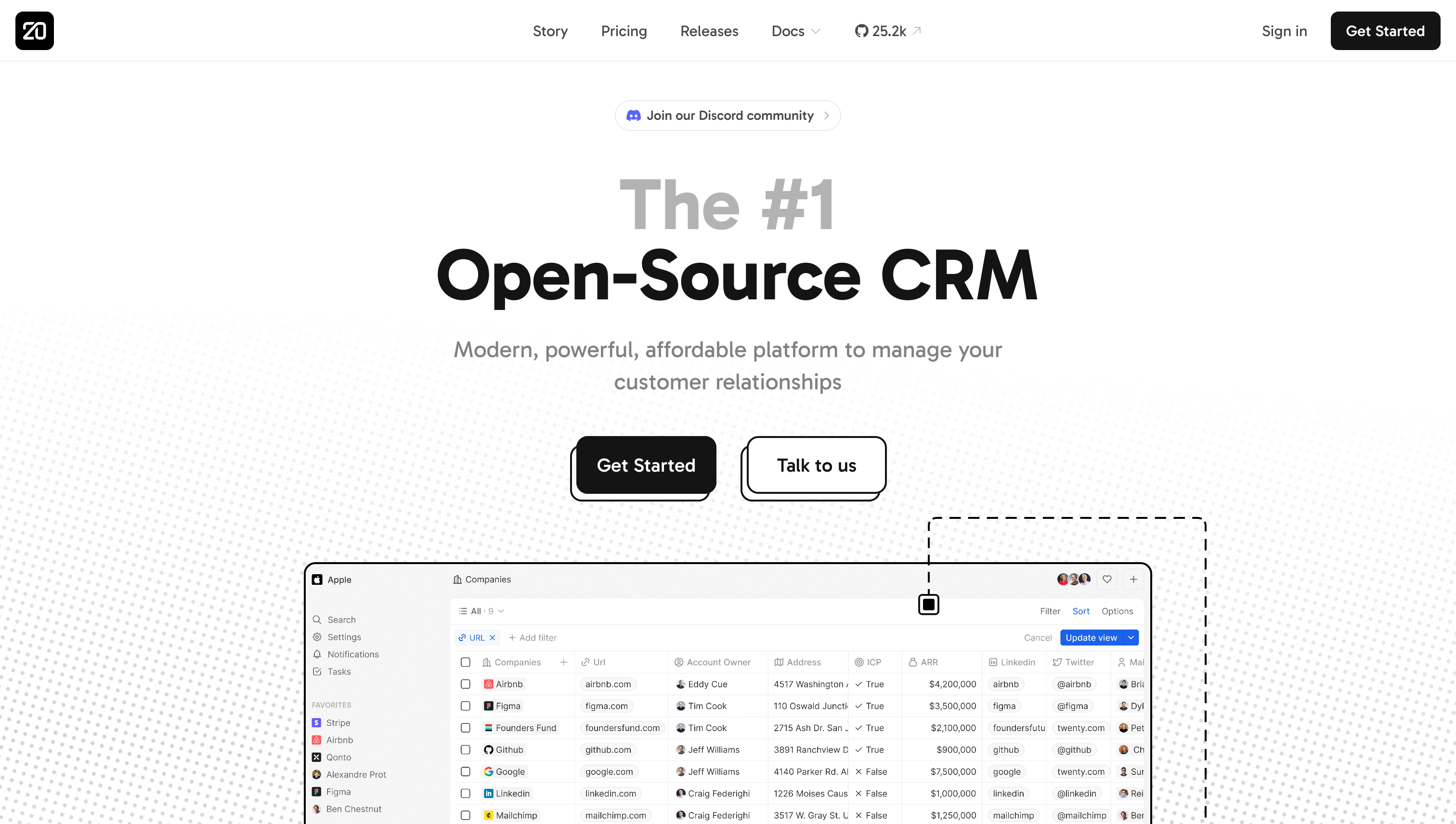
Embracing an open source CRM can revolutionize the way your business interacts with customers. It’s more than just a tool; it’s a pathway to enhanced customer relationships and streamlined operations.
The journey from selection to implementation is filled with potential, but also demands careful planning and strategic execution. Let’s navigate through the essential steps and insights for a successful deployment.
Step-by-Step Procedure for Implementing an Open Source CRM
Implementing an open source CRM involves a structured approach to ensure smooth integration and operation. Here’s your roadmap:
- Define Objectives: Clearly artikel what you aim to achieve with the CRM. This could be improving customer service, enhancing sales tracking, or data centralization.
- Select the Right CRM: Choose a CRM that aligns with your business needs. Consider factors like scalability, features, and community support.
- Prepare Your Data: Cleanse and organize existing data to ensure a seamless transition.
- Customize the CRM: Tailor the CRM to fit your business processes, ensuring it meets all functional requirements.
- Train Your Team: Provide comprehensive training to ensure that all users can effectively utilize the CRM.
- Deploy and Test: Launch the CRM in phases, testing each step to address any issues promptly.
- Gather Feedback: Collect input from users to improve and refine CRM processes.
Challenges and Solutions in Integrating Open Source CRM
Integrating an open source CRM with existing systems can be challenging, but with the right strategies, these hurdles can be overcome:
One common challenge is ensuring compatibility between the CRM and existing software. To tackle this, conduct a thorough compatibility assessment before integration. Leverage community forums and professional support for guidance on best practices and troubleshooting tips.
Best Practices for Deployment and Maintenance of Open Source CRMs
Ensuring the longevity and efficiency of your open source CRM requires diligent deployment and ongoing maintenance:
Adopt a proactive maintenance schedule that includes regular updates and security patches. This minimizes downtime and protects sensitive customer information. Engage with the open source community to stay updated on new features and improvements.
Common Implementation Pitfalls and Solutions
Avoid these common pitfalls during your CRM implementation by understanding the solutions:
- Pitfall: Lack of user adoption.
- Solution: Provide thorough training and involve users in the customization process to ensure the CRM meets their needs.
- Pitfall: Data migration issues.
- Solution: Plan and test your data migration process meticulously to avoid data loss.
- Pitfall: Over-customization.
- Solution: Focus on essential customizations that add real value and avoid unnecessary complexity.
Security and Compliance in Open Source CRM

In the realm of customer relationship management, security and compliance are paramount. Open source CRM solutions have evolved to offer robust security features that rival, and often surpass, their proprietary counterparts.
Exploring these features reveals how businesses can confidently manage sensitive customer data while staying compliant with global regulations.
Advanced Security Features in Open Source CRM
Open source CRM solutions are equipped with a range of security mechanisms to protect data integrity and privacy. Common features include encryption of data both at rest and in transit, which ensures that unauthorized parties cannot access sensitive information. Role-based access controls allow businesses to define who can access what data, minimizing the risk of internal data breaches. Regular security audits and community-driven vulnerability assessments further enhance the security posture of these systems.
Adhering to Data Protection Regulations
Compliance with data protection regulations such as the GDPR and CCPA is critical for any CRM system. Open source CRMs often provide built-in tools for data anonymization and consent management, helping businesses comply with legal requirements. These systems typically offer detailed logging and reporting capabilities, enabling organizations to demonstrate compliance in the event of an audit.
Securing Your Open Source CRM System
Implementing security in an open source CRM is a process that involves several key steps. It begins with configuring strong authentication protocols such as two-factor authentication. Keeping the system up-to-date with the latest security patches is vital. Organizations should also establish a regular backup routine and perform penetration testing to identify and address potential vulnerabilities.
“Security is not a product, but a process,” advises CRM security expert Jane Doe. “Implement robust access controls and stay vigilant with updates to ensure your CRM is secure.”
Community and Support for Open Source CRMs

At the heart of every thriving open source CRM lies an energetic and passionate community. These communities are the lifeblood of open source projects, ensuring their growth, versatility, and longevity.
Communities not only drive innovation but also provide essential support networks that empower users to maximize their CRM systems. Let’s delve deeper into how these communities function and how you can become an active participant.
The Role and Impact of Open Source CRM Communities
In the realm of open source CRM solutions, community engagement is crucial. These communities are often a melting pot of developers, users, and contributors from diverse backgrounds, all working towards a common goal—enhancing the tool for everyone’s benefit. The collaborative nature of these communities encourages constant updates, quick bug fixes, and innovative features, ensuring that the CRM software remains competitive.
Communities are the engine that propels the evolution of open source CRM solutions.
For instance, active communities like those supporting SugarCRM, SuiteCRM, and Odoo play significant roles in shaping the future of these platforms by pooling collective expertise and resources.
Active Communities Supporting Open Source CRMs
These communities are vibrant ecosystems where members can seek assistance, share insights, and contribute to project enhancements. Here are some examples:
- SugarCRM Community Edition: Known for its active forums and GitHub repository, the SugarCRM community is a hub for both users and developers.
- SuiteCRM Forums: SuiteCRM offers a rich forum space where users can discuss problems, share solutions, and propose new features.
- Odoo Community: A bustling environment with forums, mailing lists, and regular meetups, Odoo’s community is a lively platform for collaboration and idea exchange.
Contributing to Open Source CRM Projects
Becoming a contributor to open source CRM projects is both rewarding and straightforward. You can engage in various ways, whether you are a seasoned developer or a business user.
- Code Contributions: Enhance the CRM by writing code, fixing bugs, or developing new features.
- Documentation: Help by writing or improving documentation, making it easier for others to use the software.
- Community Support: Participate in forums by answering queries or providing guidance to newcomers.
- Testing and Feedback: Test new releases and provide feedback to help improve the software further.
Community Platforms for Open Source CRMs
To facilitate collaboration, many open source CRM projects organize their community interactions across various platforms. Here’s a breakdown:
| Platform Name | Type of Support | Contribution Opportunities | Community Size |
|---|---|---|---|
| GitHub | Code Repository, Issue Tracking | Code Contribution, Bug Reporting | Large |
| Forums | User Support, Knowledge Sharing | Problem Solving, Feature Discussion | Moderate |
| Mailing Lists | Updates, Announcements | Feedback, Suggestion Box | Small to Moderate |
| Meetups | Workshops, Networking | Idea Exchange, Collaboration | Variable |
Case Studies of Successful Open Source CRM Implementations
In the transformative world of customer relationship management, businesses are increasingly realizing the value of open source CRM solutions. Numerous companies have embraced these tools, witnessing a substantial elevation in their operational efficiency and customer satisfaction. Let’s delve into some compelling case studies.
These stories not only illuminate the diverse capabilities of open source CRMs but also underscore their capacity to drive business growth and innovation.
From Chaos to Clarity: How a Retail Giant Revolutionized Customer Engagement
One notable example is a large retail chain that transitioned from a fragmented customer management approach to a unified, open source CRM platform. By embracing OroCRM, the company succeeded in streamlining its customer interaction processes across all branches. This strategic move led to enhanced data accuracy and improved customer service.
- Increased customer retention by 20% within the first year
- Reduced response time to customer inquiries by 40%
- Improved segmentation and targeted marketing campaigns
Driving Growth: A Tech Startup’s Journey with SuiteCRM
Another inspiring success story comes from a tech startup that sought to optimize its sales and support operations without incurring hefty software costs. By implementing SuiteCRM, the startup achieved remarkable results in efficiency and scalability, overcoming the limitations they faced with proprietary solutions.
- Boosted sales conversion rates by 15%
- Streamlined workflow, reducing administrative tasks by 30%
- Enhanced collaboration within cross-functional teams
Community-Driven Enhancements: A Non-Profit’s Leap with CiviCRM
A non-profit organization aimed to strengthen its donor relationships and expand community outreach. By leveraging CiviCRM, they not only tailored the solution to meet their specific needs but also tapped into the vibrant open source community for continuous improvements.
“The flexibility and community support of CiviCRM have been game-changers for us.”
- Expanded donor base by 25% in two years
- Increased annual donations by 30%
- Developed custom modules for specific organizational needs
Final Thoughts

In the ever-evolving landscape of customer relationship management, open source solutions shine as beacons of agility and innovation. As you embark on this journey, remember that you’re not merely implementing software; you’re cultivating a dynamic and adaptable system that grows with your business. Join the ranks of successful companies that have harnessed the power of open source CRM solutions, and watch as your customer relationships flourish like never before. The future of CRM is open, and it’s calling your name!