In the ever-evolving landscape of business technology, the fusion of CRM software with inventory management is nothing short of revolutionary. Imagine having a streamlined system that not only elevates your customer interactions but also keeps a precise check on your inventory levels. This powerful integration is transforming the way businesses operate, offering a seamless experience that thrills both employees and customers alike.
Whether you’re a retail giant or a budding e-commerce platform, the synergy of CRM and inventory systems can propel your business to new heights. By breaking down silos and fostering communication between sales and stock management, you stand to gain not just efficiency, but a strategic advantage in the competitive market. Dive into this guide to discover how this dynamic duo can become the backbone of your business operations.
Understanding CRM Software with Inventory Management

In the fast-paced business world, integrating CRM software with inventory management can be a game-changer. This fusion offers a seamless way to enhance customer relationships while keeping a sharp eye on stock levels.
CRM software with inventory management bridges the gap between customer interaction and inventory control, ensuring that every aspect of your business is synchronized. By combining these two powerful tools, companies can optimize operations, improve customer satisfaction, and boost overall efficiency.
Benefits of Combining CRM and Inventory Systems
Integrating CRM and inventory systems brings a wealth of advantages to any business. First and foremost, it allows for real-time visibility across all facets of the business, from sales and customer service to stock management. This visibility leads to better decision-making and provides a comprehensive understanding of both customer needs and inventory dynamics. Additionally, it helps businesses to streamline their operations by reducing manual input and minimizing errors, thereby saving time and resources.
Key Functionalities to Look For
When selecting a CRM software with inventory management, it’s crucial to examine the key functionalities that will drive your business forward. Look for features like automated inventory updates, allowing you to maintain accurate stock levels effortlessly. Another important feature is the integration of customer interaction history with inventory data, providing a holistic view of sales patterns and customer preferences.
- Real-time inventory tracking
- Comprehensive reporting and analytics
- Seamless integration with sales and customer service
- Automated reorder points and supplier management
“Business success lies in the harmony between knowing your customers and managing your resources effectively.”
Features of CRM Software with Inventory Management
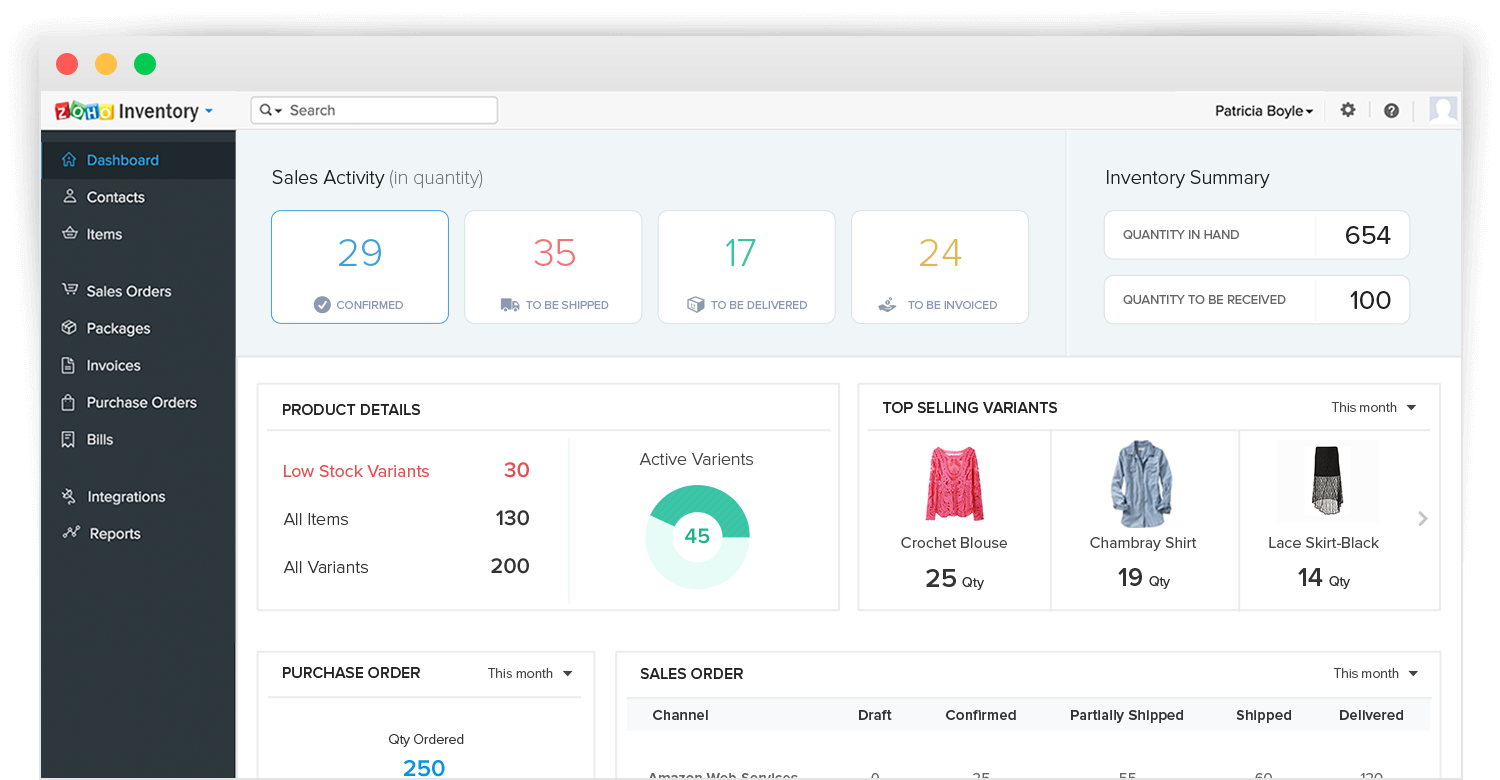
In the realm of modern business, CRM software with inventory management capabilities is a game-changer. It seamlessly integrates customer relationship strategies with efficient inventory oversight, offering businesses a comprehensive tool to optimize both sales and stock levels.
These systems are designed to not only track customer interactions but also manage inventory in real-time, ensuring that organizations can meet demand without overstocking or understocking. The fusion of CRM and inventory management amplifies operational efficiency and enhances decision-making processes.
Inventory Tracking Functionalities
Inventory tracking within CRM systems is a cornerstone feature that empowers businesses to maintain a pulse on their stock levels. Utilizing advanced real-time tracking, these systems provide updates on inventory as it moves through the supply chain. This enhanced visibility ensures that sales teams are always aware of product availability, preventing the all-too-common issue of selling out-of-stock items. Furthermore, automated alerts can inform managers of low inventory levels, enabling proactive restocking and maintaining a smooth sales flow.
Synchronization of Sales and Inventory Data
Effective synchronization between sales and inventory data is crucial for any business striving to optimize its operations. CRM systems achieve this by integrating sales data with inventory records, ensuring that every sale automatically updates stock levels. This seamless synchronization eliminates manual data entry errors and provides a single source of truth for both sales and inventory managers. As a result, businesses can make more informed decisions based on real-time data, optimizing inventory levels and enhancing customer satisfaction.
Comparison of CRM Software Solutions
Choosing the right CRM software can be daunting, especially when considering inventory management features. Below is a comparison of different CRM software solutions, highlighting their inventory management capabilities, pricing, user interface, and customer support.
| Software | Inventory Management Features | Pricing | User Interface | Customer Support |
|---|---|---|---|---|
| CRMPro | Real-time tracking, automated alerts | $$$ | Sleek, intuitive | 24/7 support, comprehensive resources |
| InventoryPlus CRM | Supplier management, bulk updates | $$ | Clean, user-friendly | Live chat, email support |
| SyncSales | Sales-inventory sync, forecasting | $$$ | Modern, customizable | Phone support, tutorials |
| EasyStock CRM | Demand planning, low stock alerts | $$ | Simple, efficient | Email support, knowledge base |
“Efficiency in managing inventory means delivering the right product, at the right time, and at the right cost.”
Advantages of Using CRM Software with Inventory Management

Picture a seamless operation where customer satisfaction and inventory efficiency walk hand in hand. This dream becomes reality when CRM software integrates with inventory management, offering businesses unparalleled advantages.
In today’s competitive landscape, excelling in customer service while maintaining optimal inventory levels is a game changer. Let’s explore how these systems work in harmony to drive business success.
Elevating Customer Satisfaction to New Heights
CRM software with integrated inventory management radically transforms how businesses meet customer needs. By providing real-time inventory updates, sales teams can offer accurate information to customers instantly. Imagine a customer service representative confidently assuring a customer that their desired item is in stock and ready to ship—no more guesswork, only satisfaction.
Consider the case of a thriving e-commerce company that seamlessly synced its CRM with inventory management. The result? Faster service, fewer errors, and raving customer reviews. This synergy not only boosts satisfaction but turns customers into repeat buyers, fueling revenue growth.
Success Stories: Real Businesses, Real Results
Take, for example, a retail giant that implemented an integrated CRM and inventory system. They noticed a significant drop in order processing time and a rise in customer satisfaction scores. By reducing out-of-stock situations and optimizing their supply chain, they not only met but exceeded customer expectations.
Another success story is a regional distributor who streamlined their operations through this integration. They witnessed a rise in efficiency and a 30% reduction in operational costs, while simultaneously improving their customer interaction quality.
Cost-Efficiency: Getting More Bang for Your Buck
Adopting an integrated system may seem daunting at first, but the long-term financial benefits are undeniable. By combining CRM and inventory management, businesses eliminate the need for multiple standalone systems, reducing software licensing costs significantly.
Consider the financial comparison below:
| Solution | Initial Cost | Operational Cost |
|---|---|---|
| CRM & Inventory Separately | High | Moderate |
| Integrated CRM & Inventory | Moderate | Low |
Through integration, businesses not only save money but also gain enhanced functionality that drives growth and profitability. As the saying goes, “Why ride two horses when you can ride one?”
Challenges and Solutions in Implementing CRM with Inventory Management
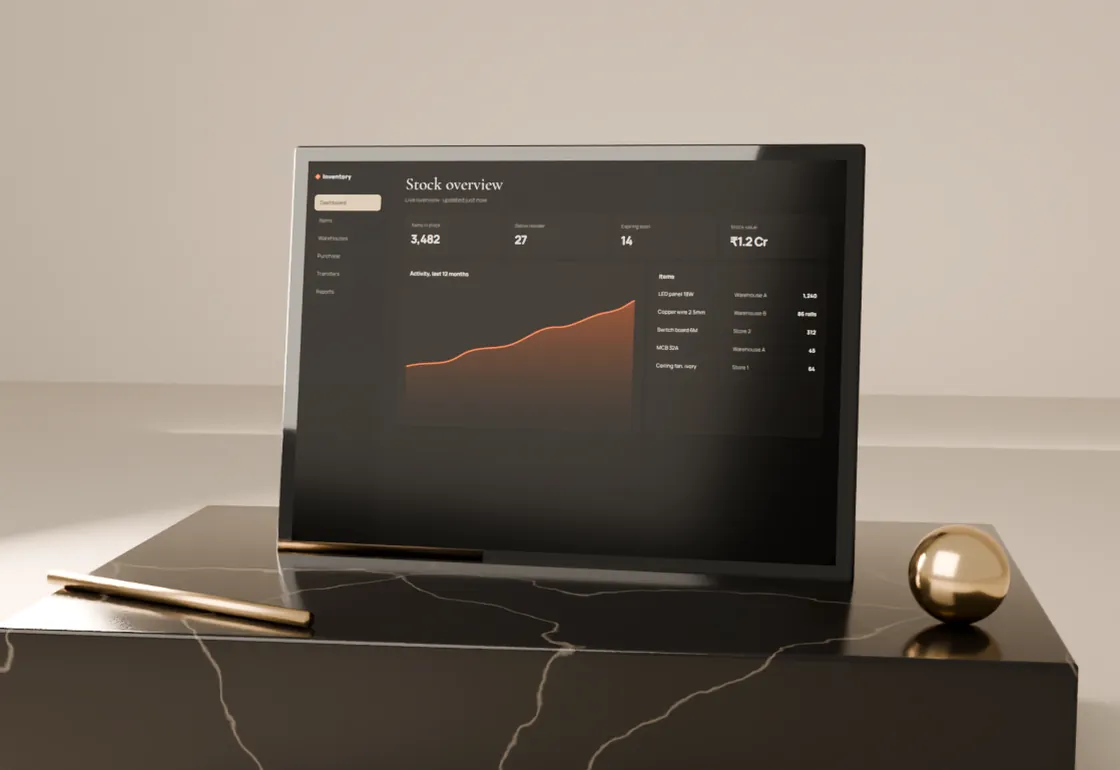
Integrating CRM software with inventory management can be a game-changer for businesses, streamlining operations and enhancing customer satisfaction. However, it presents a unique set of challenges that require strategic solutions.
To harness the full potential of CRM systems with inventory capabilities, businesses must tackle integration hurdles head-on. Let’s explore some common challenges and creative solutions to overcome them.
Overcoming Data Migration Challenges in CRM Systems
One of the most daunting tasks when integrating CRM with inventory management is the smooth transfer of data from legacy systems. Ensuring that your data migrates without a hitch involves meticulous planning and execution.
- Thorough Data Audit: Begin with a comprehensive audit of existing data. Identify and rectify inconsistencies, duplicates, and inaccuracies before migration.
- Data Mapping: Carefully map fields from your old system to the new CRM software. This helps in preserving data integrity and ensures seamless integration.
- Incremental Migration: Instead of a single, large-scale migration, opt for phased, incremental data transfers. This minimizes disruption and allows for ongoing testing and refinement.
Ensuring Real-Time Data Accuracy in CRM and Inventory Management
Real-time data accuracy is crucial for effective decision-making and customer satisfaction. To maintain data accuracy, consider the following approaches:
- Automated Data Sync: Implement automated synchronization between CRM and inventory systems. Real-time updates eliminate the risk of outdated information.
- Regular Data Validation: Schedule periodic data validation checks. Use automated scripts to identify and rectify anomalies promptly.
- User Training: Equip your team with training sessions focused on data entry protocols and the importance of accuracy. Well-informed users contribute to maintaining data integrity.
The journey of implementing CRM software with inventory management, while challenging, is a rewarding endeavor that pays off in enhanced business operations and customer relations. By tackling these challenges head-on with strategic solutions, businesses can achieve seamless integration and sustainable success.
Industry Use Cases for CRM Software with Inventory Management

In today’s fast-paced business environment, industries across the board are leveraging technology to streamline operations and enhance customer satisfaction. Among these technologies, CRM software with integrated inventory management stands out as a game-changer.
By combining customer relationship management with efficient inventory tracking, businesses can enjoy a seamless flow of information that drives decision-making and operational efficiency.
Maximizing Efficiency in Retail
Retailers know the importance of maintaining the right balance between supply and demand. CRM software with inventory management empowers retailers to track stock levels and customer preferences in real-time. For instance, a clothing store can analyze sales trends and customer feedback to stock the latest fashion items that match customer desires. This not only enhances inventory turnover but also ensures that customers find what they need, leading to increased sales and loyalty.
Streamlining Operations in Manufacturing
Manufacturing industries benefit immensely from integrated CRM and inventory systems. These systems enable manufacturers to align production schedules with customer orders effectively. For example, a furniture manufacturer can use CRM data to project demand for specific product lines, ensuring that raw materials are available just in time for production. This minimizes waste and reduces storage costs, leading to more sustainable operations.
Boosting E-commerce Efficiency
In the e-commerce sector, where competition is fierce, CRM software with inventory management plays a vital role in maintaining a competitive edge. When an online store integrates these systems, it can provide real-time updates on product availability, process orders faster, and personalize marketing efforts based on customer purchasing behavior. This leads to a smoother shopping experience, fewer out-of-stock disappointments, and improved customer retention.
“The synergy between CRM and inventory management isn’t just a trend; it’s a necessity for modern businesses seeking sustainable growth.”
Future Trends in CRM Software with Inventory Management
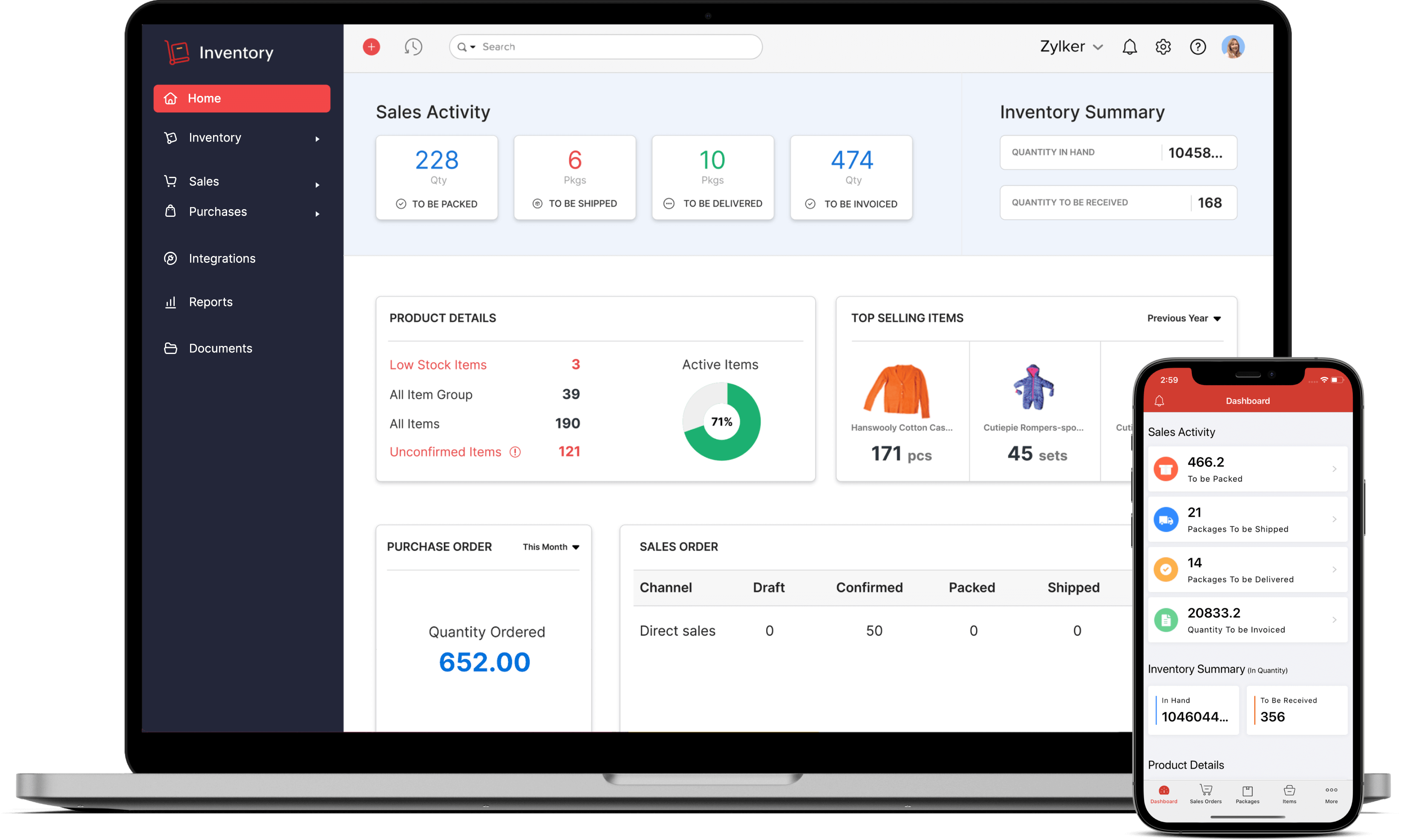
The landscape of CRM software with inventory management is evolving rapidly, driven by technological advancements. Businesses are keen to embrace these changes to stay ahead of the competition and streamline their operations.
As we look to the future, several key trends are emerging that promise to revolutionize the way CRM and inventory management systems operate. These shifts are not only improving efficiency but also enhancing the customer experience.
Technological Advancements Transforming CRM and Inventory Systems
The future of CRM software with inventory management is intertwined with cutting-edge technologies that are set to redefine the industry. Innovations like the Internet of Things (IoT), blockchain, and augmented reality (AR) are paving the way for more interactive and secure platforms. The integration of these technologies means that systems can provide real-time updates, ensure data integrity, and offer immersive experiences for users.
For instance, IoT devices can track inventory levels automatically and trigger alerts when stock is low, while blockchain offers robust security features that prevent data tampering. These advancements are expected to become standard features in future CRM solutions.
The Role of Artificial Intelligence in Shaping the Future
Artificial Intelligence (AI) is at the forefront of this transformative wave, offering profound impacts on CRM and inventory management. AI enables systems to deliver personalized customer experiences, automate routine tasks, and provide insightful analytics. With machine learning algorithms, CRM software can predict customer behaviors and inventory needs, ensuring businesses are always prepared to meet demand.
Furthermore, AI-powered chatbots can handle customer inquiries efficiently, allowing human staff to focus on more complex issues. This not only boosts productivity but also enhances customer satisfaction.
Projected Trends and Their Impact
Analyzing the projected trends in CRM software with inventory management provides critical insights into their potential impact on businesses. Here’s a snapshot of these trends:
| Trend | Impact on Businesses | Adoption Rate | Potential Challenges |
|---|---|---|---|
| Integration of IoT | Streamlined operations with real-time tracking | High | Data privacy and security concerns |
| AI and Machine Learning | Enhanced decision-making and customer personalization | Medium to High | Complexity in implementation |
| Blockchain Technology | Enhanced security and traceability | Medium | Regulatory challenges |
As businesses navigate these trends, it’s crucial to understand both the opportunities they present and the challenges that may arise. The key to success will be in strategic planning and embracing change as a pathway to growth.
Summary

In conclusion, investing in CRM software with inventory management is not just a choice; it’s a strategic move towards future-proofing your business. As industries continue to embrace digital transformation, staying ahead with integrated systems will not only enhance operational efficiency but also elevate your customer experience. Embrace the change, harness the power of innovation, and watch as your business thrives in the modern marketplace.