In the bustling world of small businesses, where every customer interaction counts, CRM software emerges as the unsung hero. Imagine a tool that not only organizes your customer data but also turns every interaction into an opportunity. CRM software is not just an investment; it’s the secret sauce to nurturing lasting relationships and driving growth.
Picture a scenario where your sales skyrocket, marketing efforts hit the bullseye, and operational costs are trimmed significantly. This isn’t a dream—it’s the reality with CRM software. Let’s delve into how this powerful tool can transform your small business into a thriving enterprise by enhancing customer engagement and streamlining processes.
Introduction to CRM Software for Small Business Owners

In the bustling world of small businesses, nurturing customer relationships is the key to success. CRM software emerges as a powerful ally in this endeavor, simplifying customer management and fostering growth.
Imagine having all your customer interactions, history, and preferences at your fingertips—this is the magic of CRM software. It’s not just a tool; it’s a strategy to enhance customer loyalty and streamline business operations.
Empowering Customer Relationships Through CRM
CRM software acts as the backbone of customer management by organizing crucial customer data efficiently. This organization leads to personalized interactions, making customers feel valued and understood. For instance, when a customer contacts support, the representative can access their entire purchase history and offer a seamless, personalized experience. This level of service transforms customers into loyal advocates of your brand.
Key Features of CRM Systems Beneficial to Small Business Owners
Small business owners can leverage CRM systems to gain a competitive edge. These systems offer:
- Contact Management: Centralize customer information for easy access and management.
- Sales Tracking: Monitor leads and sales progress efficiently.
- Customer Segmentation: Group customers based on their behaviors and preferences for targeted marketing.
- Email Integration: Connect email platforms for streamlined communication.
- Analytics and Reporting: Gain insights into customer behaviors and sales trends.
The integration of these features helps small business owners make data-driven decisions, ultimately driving growth and enhancing customer satisfaction.
Benefits of Implementing CRM Software
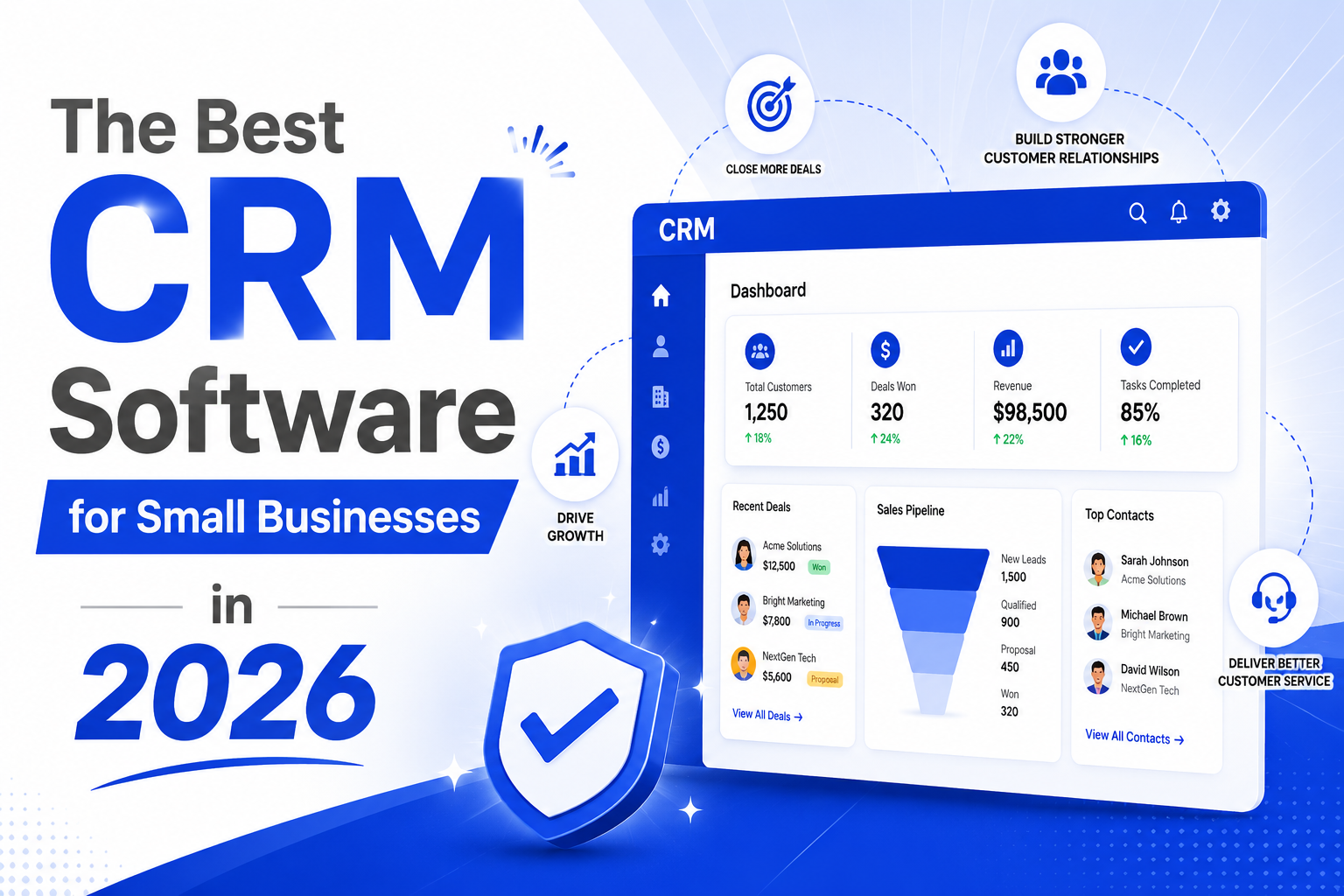
In the fast-paced world of small businesses, staying connected with your customers and streamlining operations is crucial. Implementing a Customer Relationship Management (CRM) system can be a game-changer in transforming how you manage your business relationships and processes.
From enhancing your sales funnel to optimizing marketing strategies and cutting down on operational costs, CRM software offers a suite of benefits that can empower small business owners to achieve more with less.
Enhancing Sales Processes and Customer Engagement
A CRM system revolutionizes your sales processes by providing a centralized platform for tracking customer interactions and sales activities. Imagine having a full view of your customer’s journey at your fingertips. This holistic approach allows small businesses to personalize communications, predict customer needs, and close deals faster. With CRM, businesses can automate routine sales tasks, freeing up valuable time and resources that can be redirected towards nurturing high-priority leads and strategizing growth.
Boosting Marketing Efforts with Precision
CRM software is not just about managing customer relationships; it’s a powerful tool for precision marketing. By analyzing data collected from customer interactions, small businesses can craft targeted marketing campaigns that resonate with specific customer segments. This targeted approach leads to improved conversion rates and a higher return on investment, as marketing resources are utilized more effectively. Additionally, CRM tools enable businesses to automate email campaigns, track responses, and adjust strategies in real-time based on performance metrics.
Cost-Saving Advantages and Operational Efficiency
For small business owners, cost-effectiveness is of paramount importance. CRM software offers significant cost-saving benefits by reducing the need for manual work. Automating processes such as data entry and customer follow-ups reduces overheads and minimizes human error. Moreover, CRM systems often integrate seamlessly with other existing business tools, reducing the need for multiple software subscriptions. By enhancing operational efficiency, CRM systems allow small businesses to do more with fewer resources, ultimately boosting the bottom line.
Selecting the Right CRM Software for Your Business

In the bustling world of small business, choosing the right Customer Relationship Management (CRM) software is like finding the perfect partner—you need compatibility, support, and long-term growth potential. With a myriad of options available, the decision can be overwhelming. But fear not; we’re here to illuminate the path to your ideal CRM solution.
Understanding the intricate needs of your business will guide you in selecting a CRM that not only meets your current demands but also evolves with your ambitions. Let’s dive into discovering the right match for your business journey.
Comparing CRM Software Solutions for Small Businesses
Not all CRM software is created equal, especially when it comes to catering to the nuanced requirements of small businesses. It is crucial to compare various CRM solutions specifically tailored for small enterprises. Consider these factors as you explore:
- The specific features that align with your business operations
- Pricing models that fit within your budget constraints
- The scalability of the software to grow with your business
- Ease of use for you and your team
By analyzing these aspects, you can shortlist CRM options that not only fit your current needs but also have the flexibility to adapt as your business evolves.
Checklist for Evaluating CRM Software
To streamline the selection process, use this comprehensive checklist to evaluate potential CRM software choices effectively. This evaluation will ensure that you’re investing in a solution that truly enhances your business operations:
- Identify core features needed for your business processes
- Check integration capabilities with existing tools
- Review user support and training resources
- Analyze data security measures and compliance
- Evaluate customer reviews and testimonials
- Assess mobile accessibility and remote access
This checklist serves as a robust tool to help you zero in on the most viable CRM options, ensuring your chosen software aligns with both immediate needs and future goals.
Comparison of CRM Features, Pricing, Scalability, and Ease of Use
To provide a clearer perspective on the various CRM options, here’s a table to help you compare and contrast key elements of different software solutions:
| CRM Features | Pricing | Scalability | Ease of Use |
|---|---|---|---|
| Lead Management, Automation | $15/user/month | High | Very Easy |
| Email Marketing, Customer Support | $25/user/month | Moderate | Easy |
| Sales Tracking, Analytics | $40/user/month | Very High | Moderate |
“Choose a CRM that not only meets today’s needs but anticipates tomorrow’s demands.”
This structured approach ensures that you make a well-informed decision, allowing you to select a CRM that enhances efficiency, fosters growth, and supports your business aspirations.
Best Practices for CRM Software Implementation

Implementing CRM software can be a powerful shift for small businesses, streamlining customer interactions and enhancing efficiency. However, achieving a seamless integration requires strategic planning and execution.
Understanding the intricate steps involved in integrating CRM software into existing systems is crucial for a successful transition. By following proven practices and involving key stakeholders, small business owners can ensure minimal disruption and maximum benefit.
Steps to Successfully Integrate CRM Software
Embarking on the journey of CRM implementation means navigating the path from your current setup to a more efficient, unified platform. Start by assessing your business needs and choosing the right software that aligns with your goals. Integration should focus on minimizing disruption while maximizing the potential of your CRM system.
- Conduct a thorough analysis of current processes and identify integration points.
- Ensure compatibility with existing systems to streamline data flow.
- Develop a phased implementation plan to address potential hiccups efficiently.
- Involve IT experts to handle technical challenges and system configurations.
Training Staff on CRM Software Usage
For effective CRM utilization, it is vital that all staff members are well-versed with the system. Proper training ensures that your team can leverage the software’s full potential, resulting in better customer interactions and data management.
Adopt a comprehensive training approach tailored to different roles within the organization. Focus on empowering employees to use the CRM system confidently and efficiently.
- Organize workshops and training sessions with hands-on activities.
- Create user-friendly manuals and video tutorials for ongoing reference.
- Encourage feedback to continuously improve training materials and methods.
- Implement a mentoring system where experienced users guide newcomers.
Maintaining Data Accuracy Within CRM Systems
Accurate data is the lifeblood of any CRM system. Without it, businesses may face misguided strategies and poor customer service. Here’s how you can maintain pristine data integrity within your CRM.
Regularly updating and auditing data entries ensures that your information remains relevant and reliable. Adopt these best practices to keep your CRM data accurate and actionable:
“The accuracy of data directly impacts the quality of decisions made using CRM insights.”
- Implement automatic data validation to minimize entry errors.
- Schedule periodic audits and clean-ups of the CRM database.
- Standardize data entry procedures across the organization.
- Encourage a culture of data responsibility among all CRM users.
Case Studies
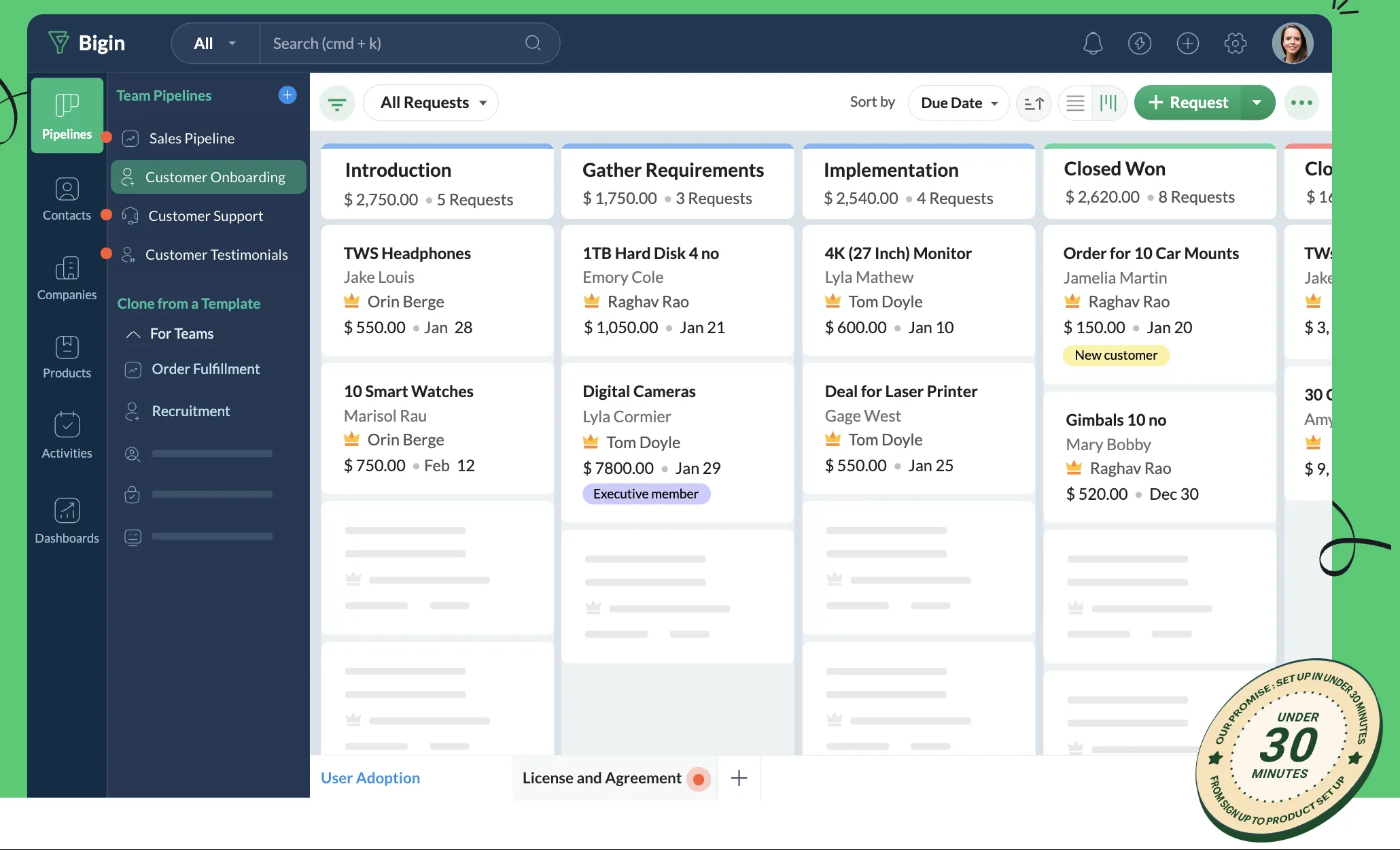
Uncover the transformative power of CRM software through real-world experiences of small businesses. These case studies highlight how CRM systems have become a game-changer, driving growth and efficiency.
By addressing specific challenges and implementing strategic solutions, these businesses have significantly improved their operations. Let’s explore these success stories and witness the remarkable impact of CRM adoption.
Transformation of Local Retail Store with CRM
The story of a quaint local retail store struggling with customer retention and scattered data management is nothing short of inspirational. Before implementing CRM software, customer interactions were disorganized, and valuable sales data was often lost in the chaos.
Once the CRM system was in place, the store saw a dramatic change. By centralizing customer information and automating follow-ups, they boosted customer engagement and loyalty. The seamless integration of sales processes and data analytics allowed the store to tailor marketing strategies effectively.
- Challenge: Disorganized customer data and poor retention rates.
- Solution: CRM implementation focused on data centralization and customer relationship enhancement.
- Outcome: Increased sales, improved customer satisfaction, and a 30% rise in repeat business.
Digital Marketing Agency Revolutionized by CRM Software
A digital marketing agency faced overwhelming tasks in project management and client communication. The adoption of CRM software provided the much-needed structure, empowering the agency to handle projects with a newfound efficiency.
Before CRM, the agency dealt with disjointed communication and missed deadlines. Post-implementation, the CRM facilitated a cohesive workflow. Team collaboration improved, and clients enjoyed timely updates and personalized service.
“The CRM system has not only streamlined our operations but has also enhanced client trust and satisfaction exponentially.”
| Aspect | Before CRM | After CRM |
|---|---|---|
| Client Communication | Inconsistent and delayed | Timely and structured |
| Project Management | Haphazard and inefficient | Organized and effective |
| Client Satisfaction | Low | High |
These case studies demonstrate the profound impact a well-implemented CRM system can have on small businesses, turning challenges into opportunities and fostering sustainable growth.
Future Trends in CRM Software for Small Business Owners
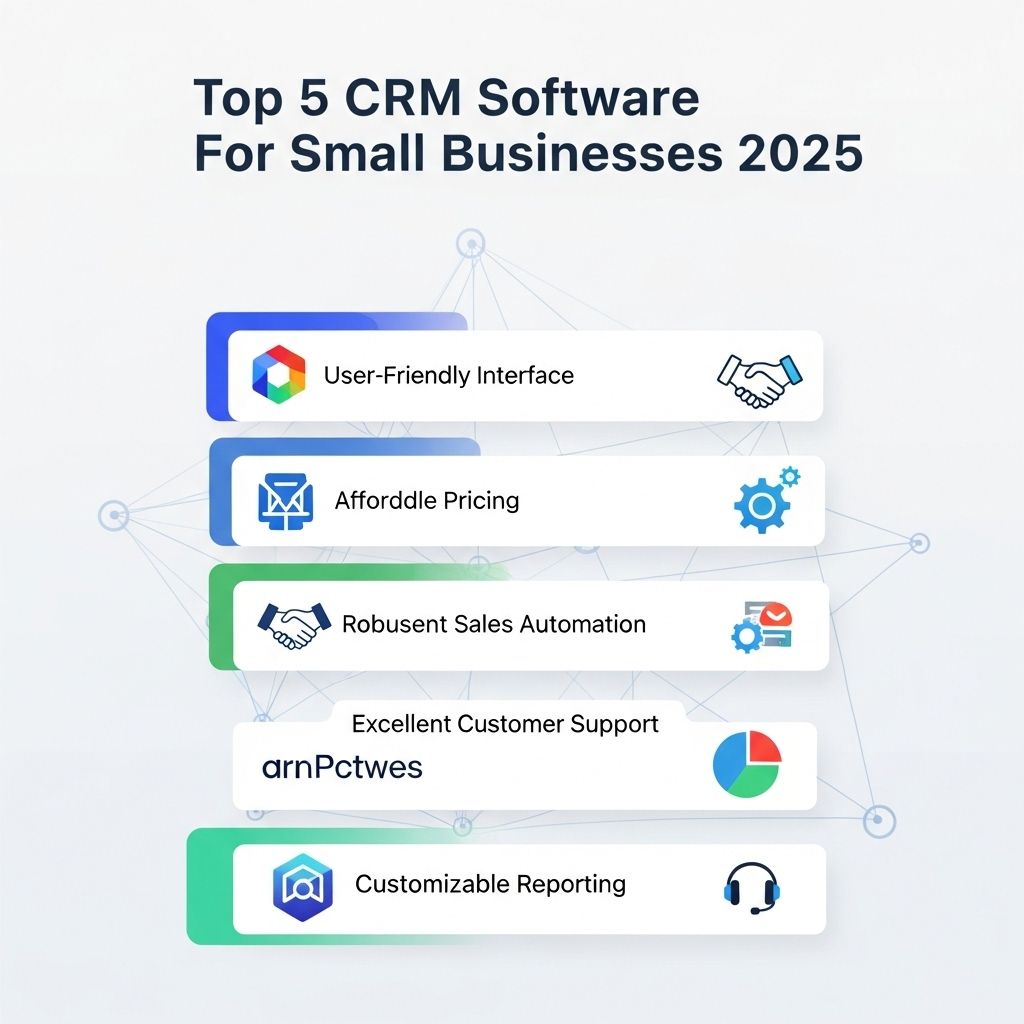
As we stand on the brink of a new era in customer relationship management, small business owners are poised to benefit from a wave of technological innovations. These advancements promise not only to simplify CRM processes but also to elevate the customer experience to unprecedented levels.
Let’s explore how emerging technologies are set to redefine the CRM landscape and what small businesses can expect from this transformation.
Emerging Technologies and Their Impact
The integration of cutting-edge technologies is revolutionizing CRM software, making it more efficient and effective than ever before. Blockchain, for example, is being utilized to enhance data security, ensuring customer information is protected with the highest levels of encryption. Additionally, the rise of the Internet of Things (IoT) is enabling more personalized customer interactions by capturing real-time data from connected devices. This wealth of information allows businesses to tailor their offerings with pinpoint accuracy, meeting customer needs more precisely.
The Role of Artificial Intelligence
Artificial intelligence (AI) is undoubtedly a game-changer in the CRM domain. By leveraging AI, CRM systems are becoming more intuitive and capable of performing tasks that were once deemed impossible. AI-driven chatbots are providing instant customer support, reducing the workload on human agents while maintaining high service standards. Furthermore, AI is empowering CRM systems with predictive analytics, enabling businesses to forecast customer behavior and trends effectively, resulting in better decision-making and strategic planning.
Anticipated Features Driving CRM Innovation
As we look ahead, several features are anticipated to drive innovation in CRM software, reshaping how small businesses manage their customer relationships:
- Seamless Integration: Future CRM systems will effortlessly integrate with other business tools and platforms, streamlining operations.
- Enhanced Mobile CRM: With a growing mobile workforce, CRM applications will offer robust functionalities on smartphones and tablets.
- Voice Recognition: Voice-enabled CRM features will allow for hands-free data entry and management, improving efficiency.
- Emotion Analysis: Advanced algorithms will analyze customer sentiment, providing deeper insights into customer satisfaction.
- Augmented Reality (AR): AR will offer immersive experiences for customer demonstrations and training.
These innovations promise to not only optimize CRM processes but also significantly enhance the overall customer journey, providing small businesses with a competitive edge.
Closure

The journey of integrating CRM software into your small business is a leap toward innovation and efficiency. As you navigate this path, remember that CRM software is your steadfast ally in understanding and serving your customers better. Embrace the technological advancements and prepare to witness a transformation that not only elevates customer satisfaction but also propels your business to new heights.
Stay ahead of the curve, leverage emerging trends, and let CRM software be the cornerstone of your business’s future success. The potential is limitless, and the time to act is now.