Imagine a world where your business decisions are not just intuitive but are backed by powerful, data-driven insights. Welcome to the realm of CRM platforms with analytics features! These tools are not just about managing customer relationships anymore; they are the secret weapons that can propel your business into a new era of efficiency and growth.
In today’s hyper-competitive landscape, having a CRM system that integrates analytics is not just a nice-to-have—it’s a game-changer. With the ability to decipher complex data patterns, anticipate customer needs, and streamline operations, CRM platforms with analytics features are the ultimate playbook for success. Let’s dive into how these intelligent systems can transform your business strategy and elevate your customer interactions to unprecedented heights.
Understanding CRM Platforms with Analytics Features
In today’s competitive business landscape, leveraging data is no longer optional; it’s essential. CRM platforms with analytics features are transforming how companies understand and interact with their customers, providing insights that drive strategic decisions and enhance customer relationships.
These platforms integrate customer data analysis, allowing businesses to predict trends, personalize marketing efforts, and improve customer service. By utilizing analytics within CRM, businesses can maximize their efficiency and effectiveness, ultimately achieving a competitive edge.
The Critical Role of Analytics in CRM Platforms
CRM platforms with integrated analytics offer a dynamic approach to customer relationship management. They do more than store customer data; they convert it into actionable insights. With features such as data visualization, predictive analytics, and real-time reporting, businesses can forecast customer needs and behavior more accurately.
Analytics within CRM provides businesses with a 360-degree view of the customer journey, enabling tailored communication strategies. This capability is crucial for businesses that aim to personalize their customer interactions effectively.
Key Components of CRM Analytics
For a CRM platform to be truly effective, it must include several core analytics components:
- Data Mining: Discover patterns and correlations within large data sets to predict future outcomes.
- Customer Segmentation: Divide customers into groups based on specific criteria for targeted marketing.
- Performance Metrics: Measure the effectiveness of sales and marketing efforts through key performance indicators (KPIs).
- Real-Time Reporting: Access up-to-date information to make timely and informed decisions.
By incorporating these elements, CRM platforms empower businesses to not only understand their current customer base but also anticipate future trends and opportunities.
Leading CRM Platforms with Robust Analytics
Several CRM platforms are renowned for their comprehensive analytics capabilities, providing businesses with powerful tools to enhance their operations:
| Platform | Key Analytics Features |
|---|---|
| Salesforce | Advanced reporting, AI-driven insights, and customizable dashboards. |
| HubSpot | Behavior tracking, detailed customer segmentation, and predictive analytics. |
| Zoho CRM | AI-powered analytics, sales forecasting, and performance management tools. |
These platforms illustrate the transformative power of CRM analytics, enabling businesses to harness data for strategic advantage.
“The integration of analytics in CRM is not just a feature; it’s a necessity for modern business success.”
Benefits of Integrating Analytics in CRM Platforms

Imagine a world where every customer interaction is a stepping stone toward greater insight and strategic growth. Integrating analytics into CRM platforms is the secret sauce that transforms raw data into valuable intelligence.
In the digitally-driven marketplace, analytics in CRM platforms empower businesses to unlock hidden potentials, streamline operations, and elevate customer engagement to new heights.
Enhanced Decision-Making Processes
CRM platforms, enriched with analytics, revolutionize the decision-making process by providing real-time data and actionable insights. This means businesses can make informed decisions swiftly, fine-tuning their strategies to better align with customer needs and market demands.
With analytics, businesses can track and predict customer behavior, allowing them to anticipate needs and respond proactively. This not only enhances customer satisfaction but also optimizes resource allocation, ensuring every decision contributes to the bottom line.
Optimized Customer Relationship Management
Utilizing a CRM platform with analytics features offers several benefits for managing customer relationships:
- Identify sales trends and patterns to tailor marketing efforts.
- Understand customer preferences to personalize communications.
- Monitor engagement levels to improve customer retention strategies.
By having a clear and comprehensive view of the customer journey, businesses can create more meaningful and lasting relationships with their clients.
Competitive Advantages in the Marketplace
CRM platforms with integrated analytics provide a distinct competitive edge by enabling businesses to:
| Advantage | Impact |
|---|---|
| Data-Driven Strategies | Facilitates precise targeting and efficient resource use. |
| Proactive Customer Service | Predicts issues and resolves them before they escalate. |
| Market Adaptability | Quickly adjusts to changes and seizes new opportunities. |
As a result, businesses not only thrive in their current markets but are also poised to enter new ones with confidence and agility.
“In today’s fast-paced world, leveraging analytics in CRM is not just an advantage—it’s a necessity for sustainable success.”
Popular CRM Platforms with Analytics Features
In the competitive landscape of CRM platforms, analytics features play a pivotal role in transforming raw data into actionable insights. Companies are increasingly integrating these features to enhance their customer relationship strategies and drive growth.
Let us delve into some of the leading CRM platforms that offer sophisticated analytics capabilities. By comparing their unique offerings, you can make a more informed decision about which platform might best suit your business needs.
Key Players in the CRM Market with Analytics Prowess
Several CRM platforms stand out due to their robust analytics features. These features not only help in data visualization but also provide predictive insights that guide strategic decision-making. Below is a comparison of some of the top CRM platforms known for their analytics strengths.
| Platform | Analytics Features | Unique Selling Propositions |
|---|---|---|
| Salesforce | Comprehensive dashboards, AI-driven insights, predictive analytics | Highly customizable, integrates seamlessly with other tools, extensive app marketplace |
| HubSpot | Reporting dashboards, sales analytics, marketing performance metrics | User-friendly interface, all-in-one marketing and sales platform, free CRM core |
| Zoho CRM | Advanced analytics, real-time reporting, AI predictions | Cost-effective solutions, strong automation features, wide range of integrations |
Comparing Salesforce and HubSpot
While both Salesforce and HubSpot offer powerful analytics features, they cater to different business needs. Salesforce is renowned for its highly customizable solutions and a robust app marketplace that allows deep integration with other business tools. It is ideal for large organizations that require a tailored CRM experience.
On the other hand, HubSpot is celebrated for its user-friendly interface and all-in-one platform for marketing, sales, and service. Its free CRM core makes it an attractive option for small to medium-sized enterprises that are just starting with CRM solutions.
Choosing the right CRM with the right analytics features can significantly elevate your business strategy and customer satisfaction levels.
Implementing CRM Analytics in Business Strategies
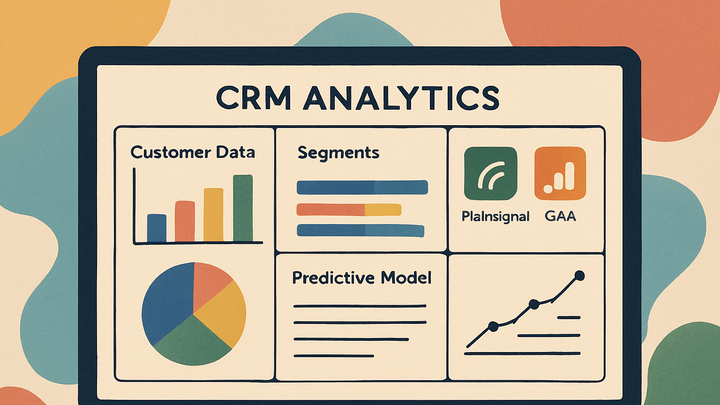
In the ever-evolving landscape of business, integrating CRM analytics into your strategy can be a game-changer. With the right approach, CRM analytics not only streamline operations but also sharpen decision-making processes.
Whether you’re aiming to enhance customer satisfaction or boost sales performance, embedding CRM analytics into your existing strategies offers a pathway to achieve these goals. Let’s explore proven methods and steps to seamlessly fit analytics into your business framework.
Methods for Integrating CRM Analytics into Existing Business Strategies
Blending CRM analytics with your current strategies requires careful planning and execution. Here are some effective methods:
- Identify key objectives where analytics can make a difference, such as improving customer engagement or driving sales.
- Align analytics goals with business priorities to ensure that insights lead to actionable outcomes.
- Utilize cross-functional teams to foster collaboration and ensure that insights are integrated across departments.
- Regularly measure and adjust the impact of analytics on business strategies to maintain alignment with evolving goals.
Steps Involved in Setting Up Analytics within a CRM Platform
Setting up analytics in your CRM platform is crucial for gaining actionable insights. Here’s a roadmap to get you started:
- Choose a CRM platform with robust analytics capabilities that match your business needs.
- Define key metrics and KPIs to track performance and identify areas for improvement.
- Integrate your data sources into the CRM to ensure comprehensive analytics coverage.
- Configure dashboards and reports to visualize data and make insights easily accessible.
- Establish a routine for regular analysis and interpretation to keep strategies data-driven.
Best Practices for Maximizing the Value of CRM Analytics in Business Operations
To fully leverage CRM analytics, businesses should adhere to the following best practices:
- Foster a data-driven culture by training staff to understand and utilize analytics insights effectively.
- Encourage continuous feedback and iteration based on analytics to refine strategies.
- Invest in advanced analytics tools and technologies that offer predictive and prescriptive insights.
- Monitor industry trends and adapt analytics practices to stay ahead of the competition.
- Use analytics to personalize customer interactions, enhancing engagement and loyalty.
“Integrating CRM analytics is not just about technology—it’s about transforming information into strategic advantage.”
Challenges and Solutions in Using CRM Analytics

In the dynamic world of CRM platforms, integrating analytics can be a game-changer. However, this integration isn’t always seamless. Let’s explore the common challenges businesses face and unveil practical solutions.
While CRM analytics provide powerful insights, they are not without their hurdles. From data quality issues to user adoption resistance, organizations must navigate various obstacles to leverage CRM analytics effectively.
Addressing Common CRM Analytics Challenges
Implementing CRM analytics can be daunting due to a range of barriers. Below are the main obstacles organizations encounter, with robust strategies to overcome each:
- Data Quality Concerns: Inaccurate or incomplete data can lead to misleading insights, hampering decision-making.
- User Adoption Resistance: Employees may resist new analytics tools, fearing complexity or job changes.
- Integration Difficulties: Seamlessly integrating analytics with existing CRM systems and other business tools can be technically challenging.
- Data Privacy and Security: Protecting sensitive customer data is crucial, especially with increasing regulations.
“Ensuring data accuracy is foundational to effective CRM analytics.”
Strategies to Overcome CRM Analytics Limitations
Solutions to these challenges can significantly enhance the effectiveness of CRM analytics. Here are strategies to address each concern:
- Improving Data Quality: Implement stringent data validation processes and regular audits to maintain high data standards.
- Training for User Adoption: Conduct comprehensive training sessions to familiarize employees with new tools, highlighting user-friendly features and productivity benefits.
- Streamlining Integration: Employ middleware solutions or integration platforms to facilitate smooth interoperability between systems.
- Enhancing Data Security: Adopt advanced encryption and access control measures to safeguard customer data and comply with legal requirements.
“Quality data is the lifeblood of reliable analytics.”
Future Trends in CRM Platforms with Analytics Features
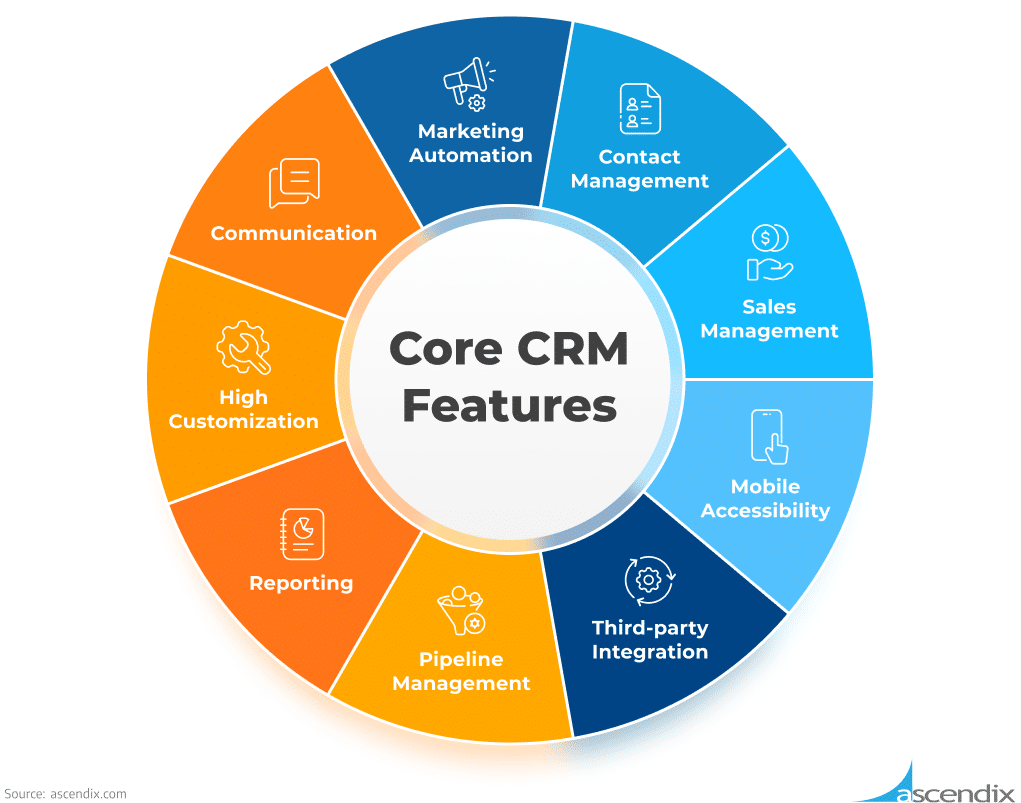
The realm of CRM platforms is set to experience a seismic shift with the integration of cutting-edge analytics features. This transformation promises to redefine how businesses interact with their customers, driving engagement and loyalty like never before.
As technology continues its relentless march forward, CRM systems will not only become smarter but also more intuitive. These platforms will be equipped with advanced capabilities that were once the realm of science fiction, offering businesses unprecedented insights into customer behavior and preferences.
Emerging Trends in CRM Analytics Features
In the near future, CRM platforms will harness the power of artificial intelligence (AI) and machine learning (ML) to deliver hyper-personalized customer experiences. These technologies will enable systems to anticipate customer needs and suggest actions before they even arise. Imagine a CRM that not only stores customer data but actively analyzes it to predict trends and patterns.
Moreover, the integration of natural language processing (NLP) will allow CRM platforms to process and understand customer inquiries and feedback with human-like comprehension. This will significantly enhance customer service, as automated systems can provide near-instantaneous support, tailored to the specific context of each interaction.
Technological Advancements Shaping the Future of CRM
The future of CRM is undoubtedly intertwined with the rise of the Internet of Things (IoT). As more devices become interconnected, CRM platforms will have access to a wealth of real-time data. This will empower businesses to create seamless, omni-channel experiences that resonate with tech-savvy customers.
Another pivotal advancement is blockchain technology. By ensuring data security and integrity, blockchain can bolster customer trust and improve data management within CRM systems. As a decentralized solution, it offers transparency and traceability, which are crucial in today’s data-driven world.
Roadmap for the Evolution of CRM Analytics Features
Looking ahead, the evolution of CRM analytics features over the next decade can be conceptualized in a progressive roadmap:
- Year 1-3: Enhanced AI-driven personalization and predictive analytics.
- Year 4-6: Comprehensive integration with IoT devices and enhanced NLP capabilities.
- Year 7-10: Adoption of blockchain for secure, transparent data handling and further refinement of AI and ML functionalities.
This roadmap not only artikels a strategic path for CRM development but also highlights the potential for these platforms to revolutionize customer relationship management as we know it.
Conclusion

As we stand on the brink of a data revolution, the integration of analytics in CRM platforms is set to redefine how we perceive customer relationships and business growth. By harnessing this powerful combination, businesses can not only stay ahead of the curve but also create lasting value for their customers. So, are you ready to embrace the future with CRM platforms that offer analytics features? The journey to smarter decision-making and enhanced customer experiences awaits.