Imagine transforming your small business into a well-oiled machine, where customer interactions are seamless, operations are efficient, and growth is not a distant dream but a tangible reality. Welcome to the realm of cloud-based CRM software, the unsung hero for small businesses striving for excellence.
With cloud-based CRM solutions, you’re not just adopting a tool; you’re embracing a revolution in customer relationship management. Say goodbye to cumbersome processes and high costs, and step into an era of streamlined operations, enhanced customer engagement, and unprecedented scalability. Get ready to unlock the full potential of your business with the power of the cloud.
Benefits of Cloud-Based CRM for Small Businesses
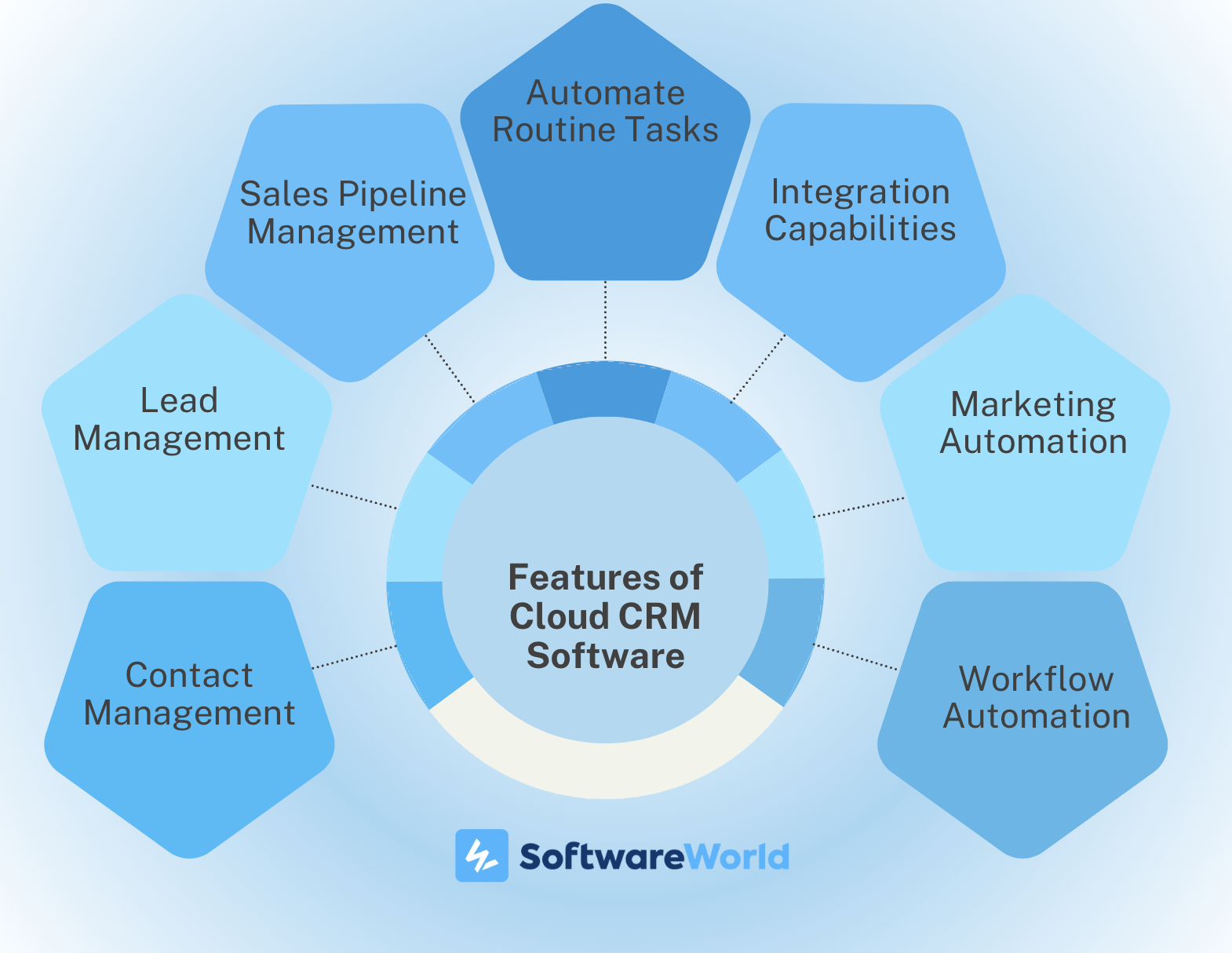
Embracing cloud-based CRM solutions can be a game-changer for small businesses, offering tools that significantly streamline operations and boost efficiency. Transitioning to the cloud doesn’t just modernize your approach; it propels your business into a new era of customer interactions.
From reducing operational costs to enhancing scalability, cloud-based CRM systems provide a robust framework tailored to meet the unique needs of small enterprises. Let’s delve into how these solutions can transform your business landscape.
Streamlining Operations and Enhancing Efficiency
Cloud-based CRM solutions simplify daily operations by centralizing customer data, automating workflows, and enabling teams to collaborate seamlessly. These systems provide a unified platform accessible from anywhere, empowering your workforce with the information they need at their fingertips. Say goodbye to cumbersome installations and frequent maintenance—cloud CRM offers a hassle-free experience with automatic updates and intuitive interfaces.
Cost Savings with Cloud CRM Solutions
Small businesses often operate with tight budgets. Cloud-based CRM systems eliminate the need for expensive IT infrastructure and maintenance costs associated with traditional systems. Instead, you pay a predictable subscription fee, allowing you to allocate resources more effectively. Here’s a quick comparison:
| Cost Factor | Traditional CRM | Cloud-Based CRM |
|---|---|---|
| Initial Setup | High | Low |
| Maintenance | Frequent & Costly | Included in Subscription |
| Scalability | Limited | Flexible |
Scalability Advantages for Growing Businesses
As your business grows, so does the need for a CRM system that can keep up with increasing demands. Cloud-based CRM solutions offer unparalleled scalability. Whether you’re adding new users or expanding into new markets, these systems grow with you, allowing effortless scaling without interruptions. This flexibility ensures that your CRM adapts to your evolving business needs without the hefty investment of traditional systems.
Features that Enhance Customer Relationships
Cloud-based CRM platforms are packed with features designed to foster and enhance customer relationships, paving the way for increased satisfaction and loyalty. Key features include:
- Automated follow-ups and reminders
- Detailed customer analytics and insights
- Seamless integration with social media and communication platforms
- Real-time access to customer data and interaction history
- Customizable dashboards and reporting tools
“The best way to predict the future is to create it.” – Peter Drucker
These tools not only improve customer interactions but also empower your team to deliver personalized experiences, making every customer feel valued and understood.
Enhancing Customer Engagement through Cloud-Based CRM

In today’s digital age, creating meaningful connections with customers is essential for any business, especially small to medium enterprises. Cloud-based CRM systems are revolutionizing the way businesses communicate and engage with their customers.
By harnessing the power of cloud technology, these CRM tools facilitate seamless communication, enable personalized interactions, and efficiently track customer feedback, ensuring that businesses can foster deeper relationships with their clients.
Improving Communication Channels
Cloud-based CRM systems offer a variety of tools that streamline customer communication across multiple channels. Through integrated email, social media, and chat features, businesses can maintain consistent interaction with their customer base. This ensures that no message goes unnoticed and every customer query is addressed promptly.
Personalizing Customer Interactions
Personalization is key in today’s business environment. Cloud-based CRMs provide businesses with data-driven insights that allow for customized customer experiences. By analyzing customer preferences and behavior, businesses can craft tailored messages and offers that resonate with individual clients, enhancing their overall experience and satisfaction.
Monitoring and Responding to Customer Feedback
Feedback is invaluable for growth, and cloud-based CRMs excel in collecting and analyzing customer responses. With real-time feedback tracking, businesses can quickly identify areas for improvement and implement changes. This proactive approach not only boosts customer satisfaction but also builds trust and loyalty.
Common Customer Engagement Strategies
To effectively engage with customers, businesses can adopt a variety of strategies. The following table artikels some common methods facilitated by cloud-based CRM systems:
| Strategy | Description |
|---|---|
| Omni-channel Engagement | Engaging customers through multiple channels like email, social media, and mobile apps for a seamless experience. |
| Personalized Marketing | Using customer data to tailor marketing campaigns and offers that meet individual needs and preferences. |
| Automated Follow-ups | Automating follow-up emails and messages to maintain engagement and nurture leads without manual intervention. |
| Feedback Loops | Implementing systems to gather and respond to customer feedback quickly to improve products and services. |
“Engage, personalize, and listen—these are the cornerstones of customer loyalty.”
Integration and Compatibility with Existing Systems
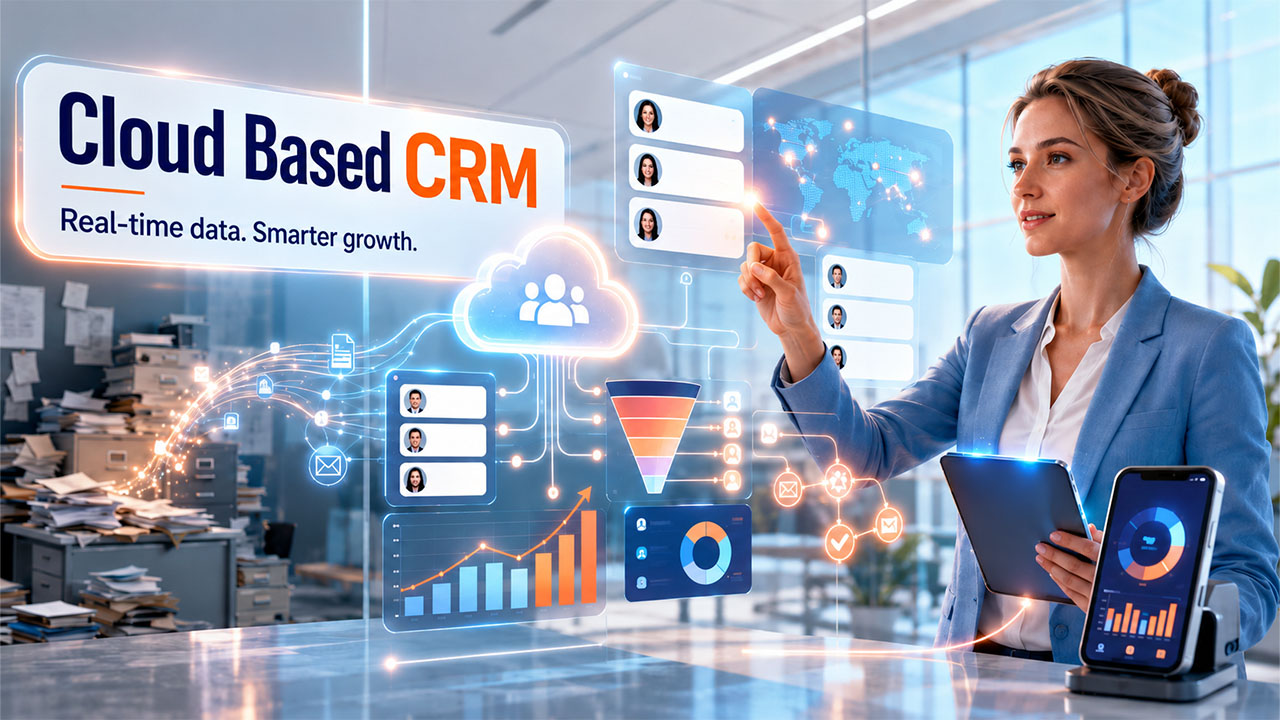
In the fast-paced business world, seamless integration of systems is no longer a luxury—it’s a necessity. Cloud-based CRM solutions offer a myriad of benefits when integrated with other business software, enhancing operational efficiency and data fluidity.
By integrating cloud-based CRM with existing systems, businesses can achieve a more cohesive technology ecosystem. The power to connect marketing, sales, and customer service tools into a singular framework allows teams to work harmoniously, fostering a more productive environment. Let’s delve deeper into the strategies and benefits of these integrations.
The Power of Unified Systems
Integrating a cloud-based CRM with other business applications, such as ERP systems, marketing automation, and accounting software, creates a unified data repository. This comprehensive data pool enables real-time insights and informed decision-making. By ensuring all departments have access to the same up-to-date information, businesses can reduce errors and manual data entry, ultimately saving time and resources.
A well-integrated CRM can automate workflows, streamline processes, and enhance customer experience by providing personalized interactions based on complete customer profiles.
Seamless Data Synchronization: The Backbone of Efficiency
Data synchronization across platforms is vital for maintaining data integrity and ensuring consistency. When systems are seamlessly integrated, updates made in one application are automatically reflected across all connected platforms. This synchronization minimizes discrepancies and allows for a more agile response to market demands.
“A well-synchronized system is the cornerstone of operational excellence.”
Ensuring that your cloud-based CRM is compatible with existing systems is crucial for achieving these benefits. It’s important to consider open APIs and flexible integration options when selecting a CRM to guarantee seamless interaction with other tools.
Comparing Integration Approaches for Cloud-Based CRM Systems
There are several approaches to integrating cloud-based CRM solutions with existing systems. It’s essential to choose the right strategy that aligns with your business needs.
| Approach | Benefits | Considerations |
|---|---|---|
| Native Integration | Out-of-the-box connectivity with minimal setup | Limited to supported applications |
| Custom API Integration | Highly customizable to meet specific business requirements | Requires technical expertise and maintenance |
| Third-party Middleware | Offers flexibility and broad compatibility | Additional costs and complexity |
Choosing the right integration approach can significantly impact the success of your CRM implementation. Evaluate your current systems, future growth plans, and budget constraints to make an informed decision.
Compatibility Considerations
When adopting a cloud CRM solution, it’s crucial to assess compatibility with your current infrastructure. Start by identifying key systems that require integration and understanding their data formats and protocols. Consult with your IT department or a trusted technology partner to evaluate potential compatibility issues and plan for any necessary modifications.
Ensure the CRM solution supports scalable integrations, allowing you to adapt as your business grows and technology evolves. A future-proof CRM will be able to accommodate new tools and systems seamlessly, safeguarding your investment and maximizing its utility.
Security and Data Protection in Cloud-Based CRM Systems
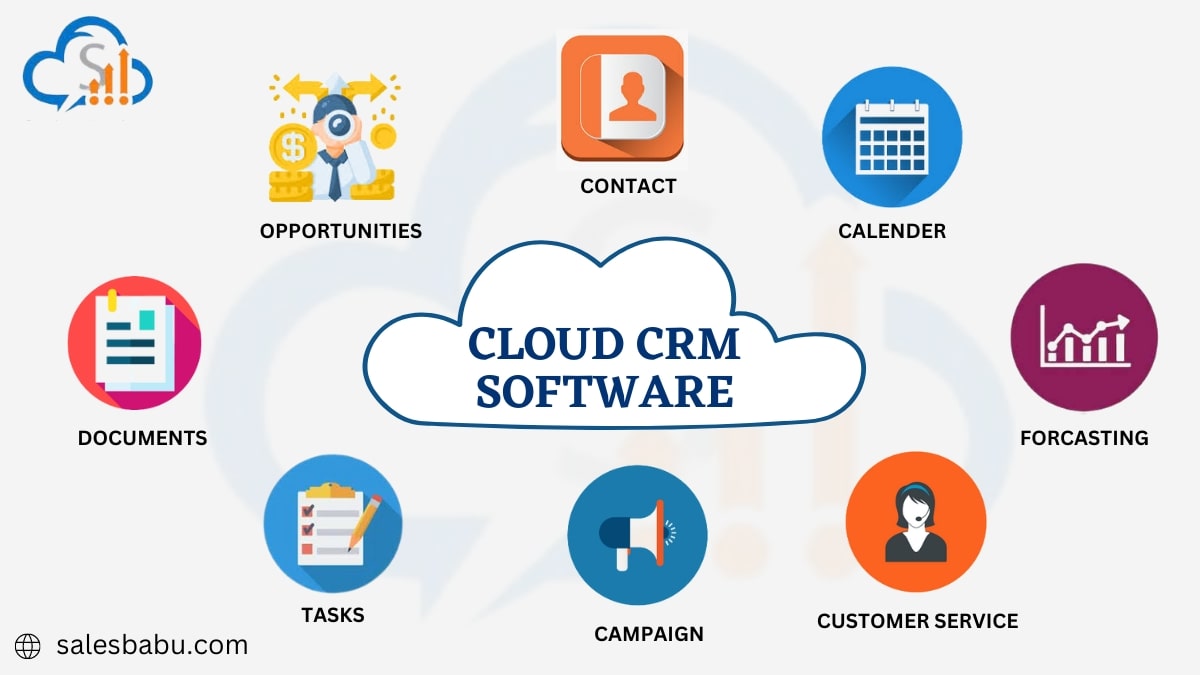
In an era where data breaches are increasingly common, the security and data protection features of cloud-based CRM systems have become paramount. Cloud-based CRM providers employ advanced security measures to safeguard sensitive customer information and ensure compliance with data privacy regulations.
Cloud-based CRMs provide a robust shield against cyber threats through a combination of encryption, authentication, and access controls. These systems are equipped with state-of-the-art security solutions designed to protect your business information against unauthorized access and data breaches.
Comprehensive Security Measures
The security landscape of cloud-based CRM systems is multifaceted, incorporating various protective strategies to secure data. Some of these key measures include:
| Security Feature | Description |
|---|---|
| Data Encryption | Ensures that data is encrypted both in transit and at rest, making it unreadable to unauthorized users. |
| Multi-Factor Authentication (MFA) | Requires users to provide two or more verification factors to gain access, adding an extra layer of security. |
| Access Controls | Allows businesses to set permissions and control who can access specific data within the CRM. |
| Regular Security Audits | Involves regular assessments and audits of security protocols to identify and address vulnerabilities. |
Ensuring Data Privacy Compliance
Adhering to data privacy laws is not just a regulatory requirement but a critical component of customer trust. Cloud-based CRM systems are designed to comply with international data protection standards such as GDPR and CCPA. This compliance is achieved through:
- Implementing strong data governance policies.
- Maintaining comprehensive logs for data access and modifications.
- Providing features for data deletion and anonymization upon request.
“Your data’s safety is our highest priority.”
The Role of Regular Updates and Security Patches
In the ever-evolving landscape of cyber threats, regular updates and security patches are crucial for maintaining the integrity of cloud-based CRM systems. These updates offer:
- Protection against newly discovered vulnerabilities.
- Enhancements to existing security features.
- Improved system functionalities and performance.
By consistently updating the CRM system, providers ensure that your business remains shielded from emerging threats, securing not only your data but also your peace of mind.
Real-Time Analytics and Reporting Benefits

In today’s fast-paced business environment, the ability to make informed decisions swiftly can set a company apart from its competitors. Cloud-based CRM systems provide invaluable real-time analytics that empower businesses to act decisively and strategically.
These systems offer a comprehensive view of customer interactions, sales data, and marketing efforts, enabling businesses to craft strategies based on the latest insights. The power of real-time analytics lies in its ability to transform raw data into actionable insights, which are crucial for operational efficiency and competitive advantage.
Unlocking Business Insights with CRM Analytics
Cloud-based CRM systems are akin to mining operations, where data is the ore and analytics are the tools that refine it. Businesses can gain insights such as customer purchasing trends, product performance, and sales cycle efficiency. For instance, a company might discover through CRM analytics that their most loyal customers share certain purchasing patterns, allowing them to tailor marketing efforts to similar prospects.
The ability to visualize data through dynamic dashboards and reports means companies can quickly identify both opportunities and issues. For example, a sudden decline in product interest can be immediately flagged, allowing for prompt investigation and resolution.
Customizing Reports for Specific Needs
One of the greatest strengths of cloud-based CRM analytics is the ability to set up custom reports that cater to specific business needs. Setting up these reports involves selecting the metrics that matter most to an organization, such as sales growth, customer retention rates, or new leads generated.
- Define key performance indicators (KPIs) that align with business goals.
- Customize report formats: tables, charts, or graphs.
- Automate report generation for consistent monitoring.
With these custom reports, businesses can focus on what truly impacts their operations and strategic planning.
The Strategic Power of Real-Time Data
Real-time data is a game-changer in strategic planning and daily operations. With instantaneous access to up-to-date information, companies can adjust their strategies and operations dynamically, responding effectively to market changes.
| Aspect | Traditional Reporting | Real-Time Reporting |
|---|---|---|
| Data Freshness | Post-analysis delays | Immediate availability |
| Decision Making | Reactive | Proactive |
| Resource Allocation | Resource heavy | Efficient and targeted |
“Real-time data transforms opportunities into actionable insights”
It allows businesses to pivot strategies based on current trends and forecasts, making them agile and responsive in a competitive market.
Cost Efficiency and ROI of Cloud-Based CRM Solutions

In today’s competitive business landscape, managing costs while achieving high returns on investment is crucial. Cloud-based CRM solutions offer an enticing blend of cost efficiency and robust ROI, making them a strategic choice for businesses aiming to streamline processes and enhance profitability.
By leveraging cloud-based CRM systems, businesses can not only reduce upfront costs associated with traditional software but also enjoy ongoing savings and improved financial outcomes. Understanding these financial dynamics is essential for making informed decisions.
Exploring the Financial Benefits of Cloud-Based CRM
Cloud-based CRM solutions provide cost advantages mainly through a subscription-based model. This model minimizes large capital outlays and shifts businesses to predictable operational expenses, offering greater flexibility and financial resilience.
- Initial Savings: Eliminate the need for costly infrastructure investments and software licenses.
- Scale Economically: Pay only for what you need, making adjustments as your business grows or scales down.
- Reduced IT Costs: Lower maintenance and support costs since updates and support are managed by the cloud provider.
Comparing Initial Investment and Long-Term ROI
Investing in a cloud-based CRM system can seem daunting, but the long-term benefits often outweigh initial costs. Here’s a comparison of cost dynamics:
| Traditional CRM | Cloud-Based CRM |
|---|---|
| High upfront costs for hardware and licenses | Low initial costs with subscription fees |
| High ongoing IT maintenance costs | Reduced maintenance with cloud service management |
| Fixed capacity and scalability costs | Flexible scaling options |
Subscription-Based Models: Financial Relief for Businesses
The subscription-based model of cloud CRM allows businesses to allocate their resources more effectively. The predictability of expenses enables better financial planning and budgeting, allowing companies to redirect funds towards growth initiatives.
“The flexibility and scalability of subscription-based cloud CRM systems offer unparalleled financial agility, empowering businesses to adapt swiftly to market changes.”
Success Stories of High ROI with Cloud-Based CRM
Many businesses have reported substantial ROI post-adoption of cloud-based CRM solutions. Take, for example, XYZ Corp., which saw a 40% increase in sales efficiency and a 25% reduction in operational costs within the first year of implementation. Such testimonials highlight the transformative impact of these systems.
Another success story involves ABC Enterprises, which leveraged cloud CRM to enhance customer engagement, leading to a 30% increase in customer retention rates, translating directly into increased revenues and profitability.
Last Word

As the digital landscape continues to evolve, the benefits of cloud-based CRM software become ever more essential for small businesses aiming to thrive. From cost efficiency to enhanced customer engagement, the advantages are simply too valuable to overlook. Embrace this transformational journey today, and watch your business soar to new heights!