In a world where the office is wherever you are, staying connected and effective is crucial. Enter CRM software for remote teams, the silent hero that amplifies productivity and collaboration across distances. Imagine a tool that not only organizes customer interactions but also streamlines communication, turning remote workers into a cohesive force. Intrigued? Let’s delve into how CRM solutions are transforming the way remote teams excel.
Picture this: a seamless workflow where collaboration isn’t hindered by geography. CRM systems do just that by providing a digital workspace where remote teams can thrive. These tools are the glue that binds dispersed team members, ensuring everyone is on the same page, every day. Join us as we explore the myriad benefits and innovative features of CRM software crafted for the modern, mobile workforce.
Benefits of CRM Software for Remote Teams

In today’s dynamic digital landscape, remote teams need cutting-edge tools to stay productive and connected. CRM software emerges as a pivotal asset, empowering dispersed teams to excel in their roles.
CRM systems are designed to streamline workflows, enhance communication, and ensure seamless customer interactions, regardless of geographical boundaries. Let’s explore how CRM tools are revolutionizing remote team operations.
Boosting Productivity with Integrated Features
CRM software centralizes customer data, providing remote teams with instant access to critical information. This consolidation reduces time spent searching for data, enabling team members to focus on their core tasks.
For example, CRM tools like HubSpot and Salesforce offer automation features that eliminate repetitive tasks, allowing teams to allocate their energy and time more efficiently. With automated workflows, reminders, and task assignments, team productivity soars.
Facilitating Seamless Collaboration
Effective collaboration is essential for remote teams. CRM systems such as Zoho CRM and Pipedrive offer robust collaboration features that keep teams aligned, even when they are miles apart.
These tools allow team members to share notes, updates, and tasks in real time. This level of transparency ensures everyone is on the same page, minimizing the chances of miscommunication and fostering a stronger team synergy.
Enhancing Communication Channels
Communication is the backbone of any successful remote team. CRM software strengthens communication by providing a centralized platform where team interactions and customer communications are logged and tracked.
With CRM systems, team members have access to customer histories and previous interactions, ensuring that everyone can provide consistent and informed support. Platforms like Monday.com integrate communication tools to facilitate discussions and quick information sharing.
Managing Customer Interactions Efficiently
Remote teams often face challenges in managing customer interactions across different time zones. CRM software plays a crucial role in organizing and tracking these interactions to enhance customer satisfaction.
By using CRM systems, teams can ensure that customer inquiries are addressed promptly, and follow-up actions are tracked meticulously. Tools like Freshworks CRM allow remote teams to set reminders, schedule follow-ups, and ensure no customer request goes unattended.
Features to Look for in CRM Software for Remote Teams
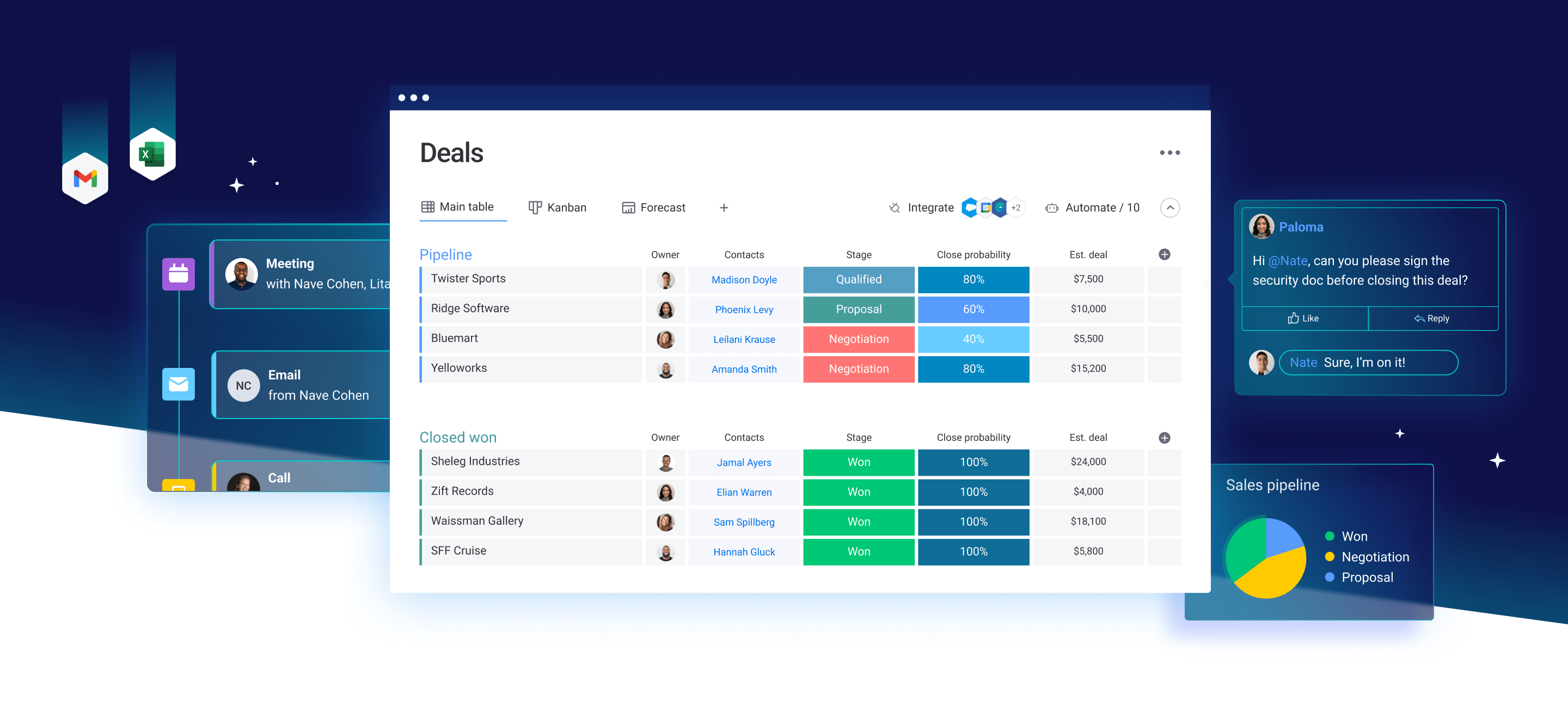
In today’s digital age, remote teams need a CRM that can seamlessly integrate and enhance their workflow. Let’s delve into the features that can make or break a CRM for remote teams.
A CRM’s design not only dictates how it looks but also how it functions, especially for teams spread across different locations. A comprehensive CRM should cater to the unique needs of remote work, ensuring that teams can collaborate, communicate, and operate efficiently no matter where they are.
User-Friendly Interface for Seamless Navigation
Remote teams thrive on simplicity and efficiency. A user-friendly CRM interface is crucial for ensuring that all team members, irrespective of their tech-savviness, can navigate and utilize the platform effortlessly. This not only saves time but also enhances productivity by reducing the learning curve associated with new software.
Importance of Cloud Integration for Accessibility
The true power of a CRM for remote teams lies in its cloud integration. This feature allows team members to access the CRM from anywhere in the world, ensuring that data is always up-to-date and accessible. Cloud-based CRMs eliminate the barriers of geography, providing a centralized hub for all team activities and information.
When selecting a CRM, it’s essential to consider how well it integrates with other cloud-based tools your team already uses. This ensures a seamless workflow and reduces the need for constant switching between different applications.
“Empower your remote team with a CRM that bridges the gap between location and collaboration.”
Below is a comparative table highlighting key CRM features relevant to remote work:
| Feature | Description | Importance for Remote Teams |
|---|---|---|
| Cloud-Based Access | Access CRM data from anywhere, at any time. | High |
| User-Friendly Interface | Simplifies navigation and reduces the learning curve. | Essential |
| Integration with Collaboration Tools | Seamlessly works with tools like Slack, Zoom, and others. | Critical |
| Real-Time Data Updates | Ensures that all team members have the most current information. | Vital |
| Mobile Accessibility | Allows team members to work on the go. | Important |
Implementing CRM Software for Remote Teams
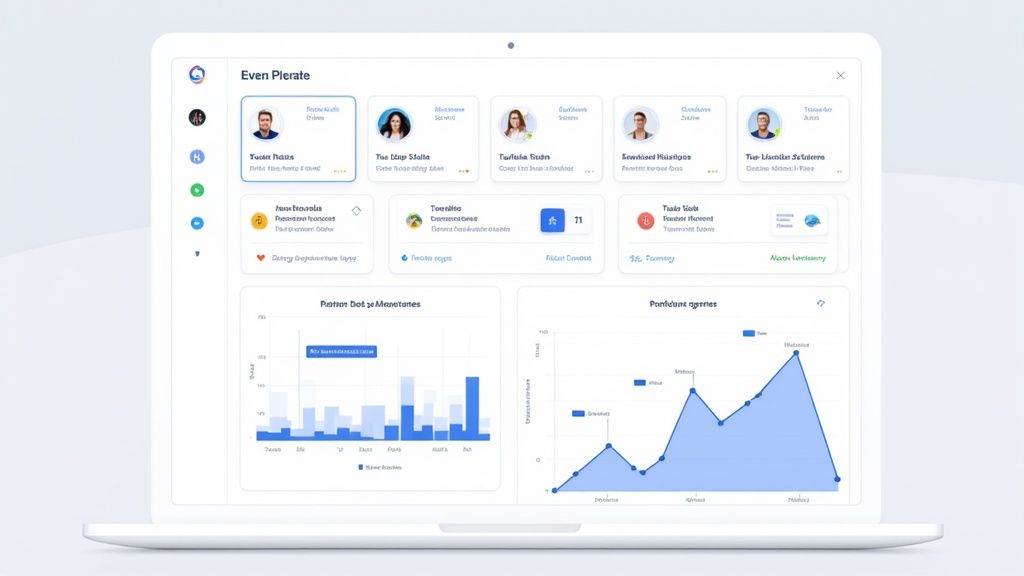
Integrating CRM software into remote team operations can revolutionize productivity and streamline communication. However, knowing how to implement these systems effectively is crucial to reaping these benefits.
This guide will walk you through the essential steps for a successful CRM integration, from setup to customization, ensuring your team embraces the new tools with enthusiasm and efficiency.
Steps to Integrate CRM Software with Remote Team Operations
Integrating a CRM system into your remote team requires a strategic approach. Begin by understanding the existing workflows and identifying areas that can benefit from CRM functionalities.
- Assess Current Processes: Analyze current workflows to pinpoint inefficiencies.
- Choose the Right CRM: Select software that aligns with your team’s needs and goals.
- Data Migration: Transfer existing data into the new CRM system carefully to avoid loss.
- Integration with Existing Tools: Ensure the CRM can seamlessly connect with tools your team already uses.
- Test and Optimize: Conduct thorough testing to ensure all features work correctly before full deployment.
Training Remote Teams on New CRM Systems
Training is paramount when introducing a new CRM system. It ensures that your remote team can utilize the software efficiently and effectively.
- Develop a Training Plan: Tailor training sessions to different roles within the team to ensure relevance.
- Create Comprehensive Guides: Provide detailed manuals and video tutorials for self-paced learning.
- Interactive Workshops: Conduct live sessions to demonstrate CRM capabilities and address queries.
- Feedback and Iteration: Encourage team feedback to continuously improve training materials.
Customizing CRM Features for Remote Team Needs
Customization is key to maximizing the benefits of CRM software for your remote team. Tailor the features to align with unique team requirements and enhance usability.
Focus on the following:
- Custom Dashboards: Build dashboards that provide team-specific insights and KPIs.
- Configure Notifications: Set up alerts to keep team members informed without overwhelming them.
- Role-Based Access: Ensure members have access only to the information they need.
- Automate Tasks: Use automation to handle repetitive tasks, freeing up time for strategic work.
Ensuring Data Security in Remote CRM Usage
Protecting sensitive information is a top priority, especially when managing remote teams. Implement robust security measures to safeguard data within the CRM system.
| Security Measure | Benefit |
|---|---|
| Encryption: | Encrypts data in transit and at rest to prevent unauthorized access. |
| Two-Factor Authentication (2FA): | Provides an additional layer of security by requiring a second form of verification. |
| Regular Audits: | Frequent security audits help identify potential vulnerabilities. |
| Access Controls: | Limit data access based on user roles to minimize security risks. |
“Data security is not just a necessity; it’s the backbone of trust between your company and your clients.”
Cost-Effectiveness of CRM Solutions for Remote Teams

Choosing the right CRM software can be a game-changer for remote teams, providing not only a boost in productivity but also significant cost savings. Let’s delve into what makes a CRM solution cost-effective for your team.
Several factors contribute to the cost-effectiveness of CRM software, including the initial investment, scalability, integration capabilities, and long-term operational savings. Understanding these can help remote teams make informed decisions that align with both their budget and business objectives.
Factors Influencing Cost-Effectiveness
When evaluating CRM solutions, it’s crucial to consider more than just the price tag. Look at usability, which reduces training costs, and scalability, ensuring your CRM grows with your team. Additionally, seamless integration with existing tools minimizes the need for additional software, cutting down on expenses.
| CRM Solution | Pricing Model | Key Features |
|---|---|---|
| HubSpot | Freemium | Marketing Integration, Sales Dashboard |
| Salesforce | Subscription-based | Customizable Reports, AI Features |
| Zoho CRM | Pay-as-you-go | Social Media Integration, Multichannel Support |
Reducing Operational Costs
CRM software not only improves team collaboration but also significantly lowers operational costs by automating repetitive tasks, reducing the need for manual input. This translates to fewer errors and less time spent on administrative duties, allowing your team to focus on core activities and drive revenue growth.
“Investing in a good CRM system is not just about managing customer relationships; it’s about maximizing efficiency and cutting unnecessary costs.”
Maximizing ROI with CRM in Remote Settings
The potential return on investment (ROI) with CRM software in remote settings is immense. By centralizing customer data and streamlining communication, teams can enhance customer satisfaction and retention, leading to higher revenues. Furthermore, with data analytics, businesses can make informed decisions swiftly, boosting overall profitability.
Ultimately, the right CRM solution can transform remote operations, making them more agile, efficient, and profitable.
Case Studies of Remote Teams Using CRM Software
As remote work becomes the norm, many teams are turning to CRM software to bridge the gap between geographical distances and streamline their workflows. These tools not only facilitate communication but also enhance productivity and customer relationship management.
Let’s delve into some real-world examples, exploring the successes and challenges faced by remote teams in their CRM journeys, and discover valuable insights from their experiences.
Examples of Successful CRM Implementation by Remote Teams
One standout example is Tech Innovators Co., a startup specializing in software solutions. Faced with the challenge of managing a dispersed sales team, they adopted a CRM platform that revolutionized their operations. By centralizing customer data and automating follow-ups, the team cut response times by half and boosted customer satisfaction ratings by 20%.
Similarly, Global Marketing Group, a digital agency, leveraged CRM tools to coordinate projects across different time zones. The software enabled seamless task management and tracked client interactions, resulting in an increase in client retention by nearly 25% within a year.
Challenges Faced by Remote Teams in Adopting CRM Tools
While the benefits are clear, the path to adopting CRM software is not always without hurdles. Remote teams often encounter barriers such as resistance to change and the steep learning curve associated with new technologies. For instance, at EnviroTech Solutions, initial skepticism among team members slowed down the CRM adoption process. However, through comprehensive training and ongoing support, they eventually saw a significant improvement in data accuracy and team collaboration.
Lessons Learned from Real-World CRM Software Use Cases in Remote Work
From these examples, several key lessons emerge:
- Invest in thorough user training and ongoing support to facilitate smoother transitions.
- Choose a CRM solution that aligns with your team’s specific needs and workflows.
- Continuously gather feedback to refine processes and maximize the CRM’s potential.
Testimonials from Remote Teams on CRM System Impacts
“Adopting CRM software has been transformative for our remote team. It has not only improved our communication but also provided us with insights we never had before. Our productivity has soared!” – Marketing Director, Global Marketing Group
“The CRM system allowed us to break down silos and foster a culture of collaboration, despite being miles apart. It’s a game-changer!” – Sales Manager, Tech Innovators Co.
These testimonies underscore the profound impact CRM systems can have, even in the diverse and dynamic world of remote work.
Future Trends in CRM Software for Remote Teams
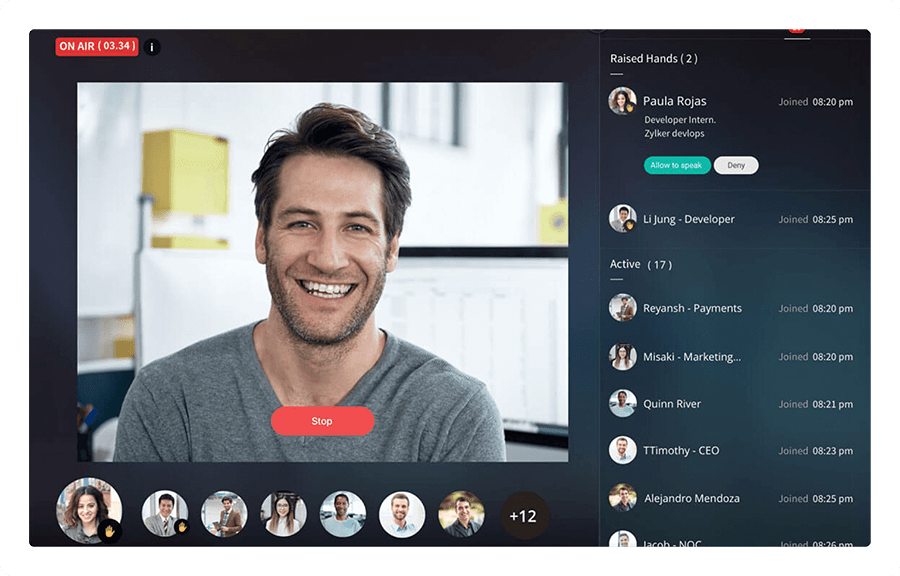
As remote work becomes the norm around the globe, CRM software is evolving at a breakneck pace to meet the demands of remote teams. Emerging technologies promise to enhance communication, improve workflows, and boost productivity for distributed workforces.
The future of CRM software for remote teams is brimming with innovation, driven by advancements in AI, machine learning, and mobile technology. These trends are set to redefine how remote teams collaborate and interact with client data.
Emerging Technologies Empowering Remote Teams
The integration of artificial intelligence (AI) and machine learning in CRM platforms is transforming how remote teams manage customer relationships. AI can automate repetitive tasks, predict customer behavior, and provide actionable insights, allowing teams to focus on strategic initiatives. Meanwhile, machine learning algorithms continue to improve, offering personalized recommendations and enhancing customer interactions.
Mobile CRM: The Beacon of Remote Connectivity
Mobile CRM applications are pivotal in the evolution of remote teamwork. As smartphones become ubiquitous, CRM providers are optimizing their tools for mobile access. This ensures that remote teams can access critical data and collaborate with ease, regardless of their physical location. The future of mobile CRM is poised to offer advanced functionalities such as voice-activated commands and real-time data synchronization, making remote work seamless and efficient.
AI-Driven Insights: The New Frontier
AI’s ability to forecast sales trends and customer needs is unparalleled, offering remote teams a competitive edge. With AI-driven insights, teams can tailor their strategies to meet customer expectations more accurately and swiftly. This technological leap has the potential to revolutionize customer relationship management, making AI a cornerstone of future CRM developments for remote teams.
“AI in CRM is not just a trend; it’s the future of customer engagement and team collaboration.”
Comparative Analysis of CRM Advancements
To better understand these advancements, let’s consider a comparison of traditional CRM functionalities versus those enhanced by emerging technologies.
| Traditional CRM | AI-Enhanced CRM |
|---|---|
| Manual data entry | Automated data capture |
| Standard reporting | Predictive analytics |
| Basic customer segmentation | Dynamic, AI-driven segmentation |
Last Word

The journey to mastering remote teamwork is paved with the right tools, and CRM software stands at the forefront of this transformation. As remote work continues to evolve, the adoption of these systems will not only enhance efficiency but also redefine how teams connect, collaborate, and succeed. Embrace the future of working remotely, empowered by CRM technology that brings possibilities into reach. Ready to elevate your remote team’s potential? The next step is yours to take.