Imagine navigating a digital landscape where every click feels intuitive, and every feature is seamlessly aligned with your business needs. Welcome to the world of user-friendly CRM software interfaces, where design meets function, creating an experience that’s not just efficient but also delightful. In this realm, simplicity is king, and the user’s journey is always at the forefront.
Why settle for clunky and complex when you can embrace a CRM system that feels like a natural extension of your workflow? Dive into this exploration of user-friendly CRM interfaces, where we unravel the secrets to designing software that not only meets but exceeds your expectations. It’s time to transform how you connect with your customers and streamline your operations like never before.
Understanding User-Friendly CRM Software Interfaces

In the fast-paced world of business, a user-friendly CRM interface is not just a luxury—it’s a necessity. It is the bridge that connects users to powerful tools, enabling them to work smarter, not harder.
A user-friendly CRM interface enhances productivity by minimizing the learning curve and maximizing efficiency. Here, we delve into the essential components that make an interface intuitive and effective.
Key Elements of a User-Friendly CRM Interface
At the heart of every user-friendly CRM interface lies simplicity. This includes a clean design with minimal clutter, ensuring that users can focus on their tasks without unnecessary distractions. The navigation should be intuitive, allowing users to find what they need quickly and effortlessly.
Intuitive Design Features in CRM Software Interfaces
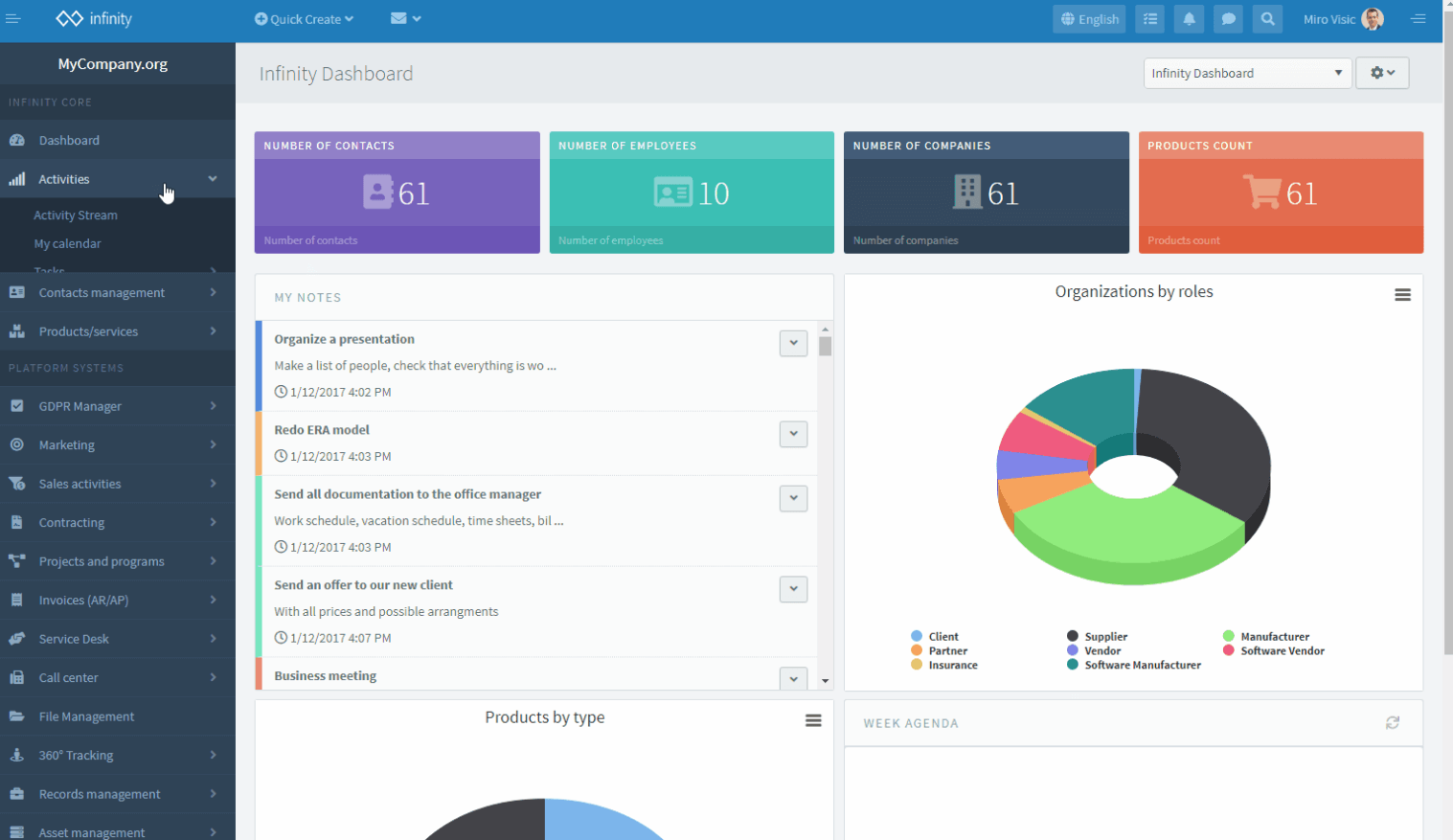
Intuitive design is about anticipating user needs and providing solutions seamlessly. Features such as drag-and-drop capabilities, customizable dashboards, and real-time data updates are hallmarks of effective CRM interfaces. These features empower users to tailor their experience and streamline their workflow.
- Drag-and-drop functionality for ease of use
- Customizable dashboards for personalized insights
- Real-time updates for accurate decision-making
Methods to Evaluate User-Friendliness of CRM Interfaces
Evaluating the user-friendliness of a CRM interface involves a mix of qualitative and quantitative approaches. Conducting usability testing helps identify pain points, while user feedback and analytics provide data-driven insights. Compare software options using a feature matrix to assess which interface meets your business needs best.
| Feature | CRM A | CRM B |
|---|---|---|
| User Feedback | High satisfaction | Moderate satisfaction |
| Usability Testing | Few issues | Several issues |
| Feature Matrix | Extensive customization | Limited customization |
“The key to a successful CRM interface lies in its ability to simplify complex processes and adapt to user needs.”
Design Principles for User-Friendly CRM Interfaces

Creating a CRM interface that users love involves more than just aesthetics; it’s about making interactions intuitive and seamless. The design principles form the backbone of enhancing usability, ensuring that every user can easily navigate and interact with the software.
From simplifying navigation to optimizing for accessibility, the right design principles can transform a complex CRM system into a user-friendly tool that empowers users to achieve their goals with minimal friction.
The Role of Visual Hierarchy in User-Friendly CRM Interfaces
Visual hierarchy plays a pivotal role in guiding users through a CRM interface. By strategically organizing design elements, users can easily identify and focus on the most important parts of the interface. A well-structured hierarchy ensures that critical information stands out, improving both efficiency and satisfaction.
For instance, using larger fonts for headings, employing contrasting colors for actionable buttons, and strategically placing call-to-action elements can significantly enhance the user experience. With the right visual cues, users can navigate complex processes effortlessly, leading to improved productivity and reduced error rates.
Best Practices for Designing Accessible CRM Interfaces
Designing for accessibility means creating an inclusive environment where everyone, regardless of their abilities, can interact with the CRM interface effectively. Here are some vital best practices:
- Ensure text is legible with adequate contrast between foreground and background colors.
- Implement keyboard navigation and shortcuts to accommodate users with different needs.
- Use clear and concise language to enhance comprehension.
- Provide alternative text for images and non-text elements.
- Test the interface with screen readers to ensure compatibility.
Accessibility is not a feature; it’s a necessity.
By integrating these best practices, CRM interfaces not only become more inclusive but also benefit from a broader user base who can fully leverage the software’s capabilities.
Comparing Popular CRM Software Interfaces

In the bustling world of Customer Relationship Management (CRM) software, the interface is key. A well-designed interface not only enhances user engagement but also boosts productivity. Here, we explore and compare the cream of the crop in CRM interfaces.
Each software offers unique features and strengths, making the choice tricky. Let’s dive into how these platforms stack up against each other in terms of usability and innovation.
Key Features and Usability of Top CRM Software
The table below illustrates a detailed comparison among some leading CRM software interfaces. It includes the features, usability scores, and unique aspects that set each one apart.
| CRM Name | Interface Feature | Usability Score | Unique Aspect |
|---|---|---|---|
| Salesforce | Customizable Dashboards | 9.5 | Highly Integrative |
| HubSpot | Intuitive Navigation | 9.0 | Free Basic Features |
| Zoho CRM | AI-Powered Features | 8.8 | Cost-Effective |
| Pipedrive | Pipeline View | 8.5 | Sales-Focused |
Strengths and Weaknesses of CRM Interfaces
Each CRM software brings something unique to the table. However, their strengths and weaknesses are equally important to consider:
- Salesforce: Known for its robust customization options, but can be overwhelming for new users.
- HubSpot: Praised for its user-friendly design, though advanced features might come at a cost.
- Zoho CRM: Offers powerful AI tools at an affordable price, yet its interface can be less intuitive.
- Pipedrive: Simplifies sales processes with its pipeline-centric design, but lacks extensive marketing tools.
Comparative Analysis of Navigation Layouts
Navigation is the backbone of any software interface. How users move through CRM platforms can significantly impact their experience.
Salesforce offers a highly configurable interface that can be tailored, but its complexity might confuse some.
HubSpot’s minimalistic layout is easy to navigate
, making it a favorite for ease of use. Zoho CRM provides a clean design, although sometimes the navigation can be inconsistent. Pipedrive shines with its visual approach to sales pipelines, focusing on clarity and simplicity.
Enhancing User Experience in CRM Software

Today’s business landscape demands CRM software that not only manages customer relationships effectively but also provides a seamless user experience. To achieve this, a focus on enhancing user experience is crucial.
Exceptional user experience in CRM software is achieved through strategic design choices that place the user’s needs at the forefront. By simplifying complex processes and incorporating user feedback, CRM platforms can become more intuitive and efficient.
Design Strategies to Improve User Experience
Designing for user experience means creating interfaces that are intuitive and engaging. Streamlining navigation and prioritizing essential features are key strategies. It’s important to minimize clutter and ensure that users can complete tasks with minimal effort.
- Utilize consistent design patterns across different sections of the CRM.
- Implement visual hierarchy to guide users through workflows.
- Ensure responsiveness across all devices for a smooth experience.
Feedback Mechanisms Enhance CRM Usability
Integrating user feedback mechanisms can significantly enhance the usability of CRM software. Regular feedback helps in identifying pain points and areas that require improvement, allowing for a more user-centered design.
“Feedback is the breakfast of champions.” – Ken Blanchard
By listening to users, CRM systems can evolve to better meet their needs, ensuring a satisfied and productive user base.
Techniques for Simplifying Complex CRM Processes
Turning complex CRM processes into user-friendly workflows requires a deep understanding of user interaction. Techniques such as task automation and intuitive interface design play a crucial role in this transformation.
Offering guided tours, contextual help, and tooltips can aid users in navigating complex features without feeling overwhelmed. Furthermore, leveraging machine learning to provide personalized suggestions can greatly enhance user satisfaction and efficiency.
Customization and Flexibility in CRM Interfaces

In the bustling digital landscape, the one-size-fits-all approach is rapidly fading into history. Today, customization and flexibility in CRM interfaces are not just desirable—they are essential. They empower businesses to tailor their tools, making every interaction seamless and efficient.
Customization is the key to unlocking a system that truly resonates with your team’s workflow. By offering adaptable interface options, CRM systems become not just tools, but extensions of a company’s unique identity, while simultaneously enhancing productivity and user satisfaction.
Flexible Interface Options Cater to Diverse User Needs
When CRM interfaces are flexible, they become the clay in the hands of their users, shaping themselves to fit unique processes and preferences. This adaptability is crucial in environments where workflows can vary dramatically across departments or roles. A customizable interface enables users to personalize their dashboards, creating a personalized experience that aligns perfectly with their daily tasks.
Through customization, CRM platforms can cater to a wide spectrum of needs, making them indispensable across industries and roles. As a result, users engage more deeply, leveraging CRM tools to their fullest potential while fostering an environment of efficiency and satisfaction.
Features that Enhance CRM Software Usability
Customization does not stop at aesthetics or layout. It extends into the very functionality of CRM software, offering features that make systems more intuitive and engaging. Here are some customizable elements that significantly enhance usability:
- Dashboard Personalization: Allow users to arrange and prioritize modules that matter most to their roles.
- Custom Fields: Add fields that capture niche information specific to your business processes.
- Automated Workflows: Design automated sequences that mirror company operations and reduce manual tasks.
- Role-Based Access Control: Tailor access and permissions to align with individual responsibilities, ensuring data security and relevance.
- Integration Options: Seamlessly connect the CRM with other tools and applications in your tech ecosystem.
By embracing these customization features, CRM systems not only foster a more personalized experience but also drive better engagement and productivity across an organization.
Case Studies and Success Stories

In the ever-evolving landscape of customer relationship management, businesses are constantly seeking tools to enhance efficiency and user engagement. User-friendly CRM interfaces have emerged as a pivotal element in this quest, reshaping the way companies interact with these platforms.
Let’s delve into inspiring case studies and success stories where intuitive CRM designs have revolutionized business operations and amplified user satisfaction.
Revolutionizing User Adoption with Intuitive Interfaces
One shining example is Company XYZ, a mid-sized retail chain that faced challenges with low CRM adoption rates. After investing in a complete redesign of their CRM interface, focusing on simplicity and navigation, the company witnessed a remarkable 70% increase in user adoption within six months. This transformation was driven by a more visually appealing design, easier access to customer data, and a streamlined workflow. As a result, employees reported a significant reduction in the time spent on customer queries, leading to enhanced productivity and satisfaction.
Driving Business Growth Through Enhanced CRM Interfaces
Another inspiring case is that of ABC Logistics, which revamped their CRM system to better serve their sales and customer service teams. The redesign focused on integrating advanced analytics and customizable dashboards, allowing users to tailor the interface to their specific needs. This strategic move led to a 25% increase in sales conversions within the first year. By enabling teams to access real-time data insights, the company not only improved customer engagement but also empowered its staff to make informed decisions swiftly.
Empowering Employees with Flexible CRM Tools
Consider the example of Tech Solutions Inc., a tech company that prioritized flexibility and customization in their CRM interface overhaul. They developed a platform that permitted users to create personalized workflows, aligning perfectly with individual job functions. This approach resulted in a 50% reduction in onboarding time for new employees and significantly elevated overall user satisfaction. The company’s ability to adapt the CRM to unique user requirements proved to be a game-changer, fostering a culture of innovation and agility.
Closure
As we journey through the intricacies of creating user-friendly CRM software interfaces, one thing becomes abundantly clear: a well-designed interface is more than a tool—it’s a strategic advantage. By prioritizing user experience and customization, businesses can unlock new levels of efficiency and customer satisfaction. Embrace the potential of a reimagined CRM interface and watch as it transforms your interactions into seamless, productive, and enjoyable experiences.