In the vibrant world of business, standing out isn’t just about offering the best product or service; it’s about understanding your customers like never before. Enter the realm of CRM tools for customer segmentation—a game-changer in how businesses interact with, understand, and cater to their clientele. Imagine having a magnifying glass that not only helps you see but also comprehend the intricate patterns of customer behavior. This is the promise of CRM tools, paving the way for precision-targeted strategies that resonate with your audience’s heart and mind.
Picture a symphony where each instrument plays in perfect harmony—this is the potential of CRM tools in customer segmentation. By harnessing this powerful technology, businesses can segment their customers with pinpoint accuracy, leading to personalized experiences that foster loyalty and drive growth. Whether you’re a small startup or a global enterprise, the right CRM tools can unlock insights that revolutionize your marketing strategies, making every customer interaction meaningful and effective.
Overview of CRM Tools for Customer Segmentation
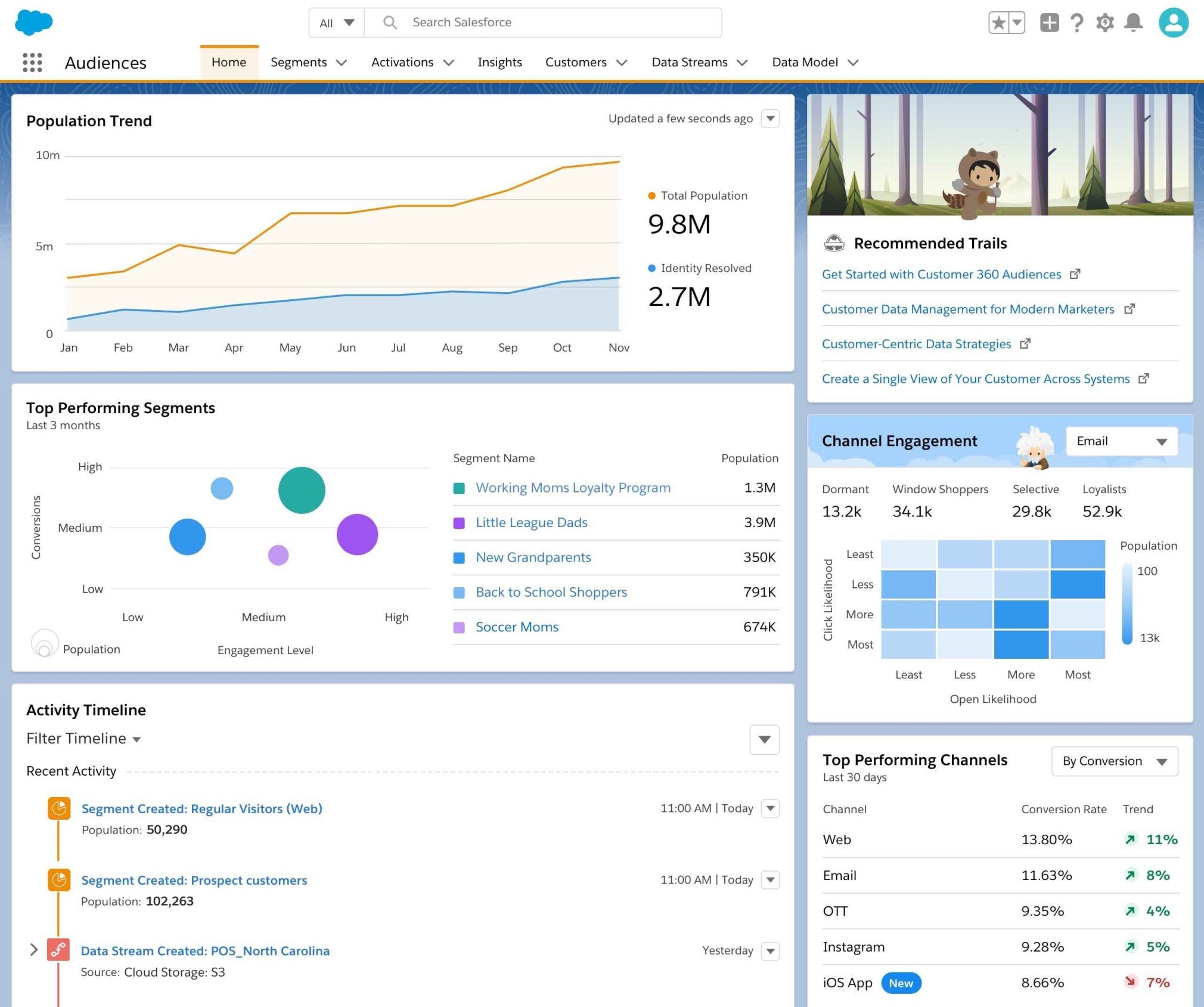
In the digital age, understanding your customers is more crucial than ever, and CRM tools are at the forefront of this transformation. These tools are not just about managing data; they are about making that data work for you.
CRM tools enable businesses to identify distinct customer segments, allowing for tailored marketing strategies and improved customer engagement. By utilizing these tools, companies can unlock insights that were previously hidden within the vast sea of customer data.
The Importance of CRM Tools in Customer Segmentation
Effective customer segmentation hinges on the power of CRM tools. They help businesses categorize their clientele based on various criteria such as purchasing behavior, demographics, and preferences. This categorization empowers businesses to create more personalized and targeted marketing campaigns.
Key Features to Look for in CRM Tools for Effective Segmentation
When choosing a CRM tool, it’s vital to consider features that will enhance your segmentation efforts. Look for tools that offer:
- Data Analytics: Advanced analytics to capture and interpret customer data efficiently.
- Customizable Dashboards: Dashboards that allow for the customization of data views for better insights.
- Integration Capabilities: Seamless integration with other marketing tools to streamline processes.
- Automated Segmentation: Automation features that can dynamically update customer segments based on real-time data.
Benefits of Using CRM Tools for Customer Segmentation
Leveraging CRM tools for customer segmentation offers a plethora of advantages that can propel your business forward:
“With the right CRM tools, businesses can move from a one-size-fits-all approach to a highly personalized customer experience.”
- Enhanced Customer Understanding: Gain deeper insights into customer needs and behaviors.
- Increased Marketing Efficiency: Target campaigns more effectively, reducing waste and improving ROI.
- Improved Customer Retention: Tailored interactions enhance customer satisfaction and loyalty.
Popular CRM Tools for Customer Segmentation
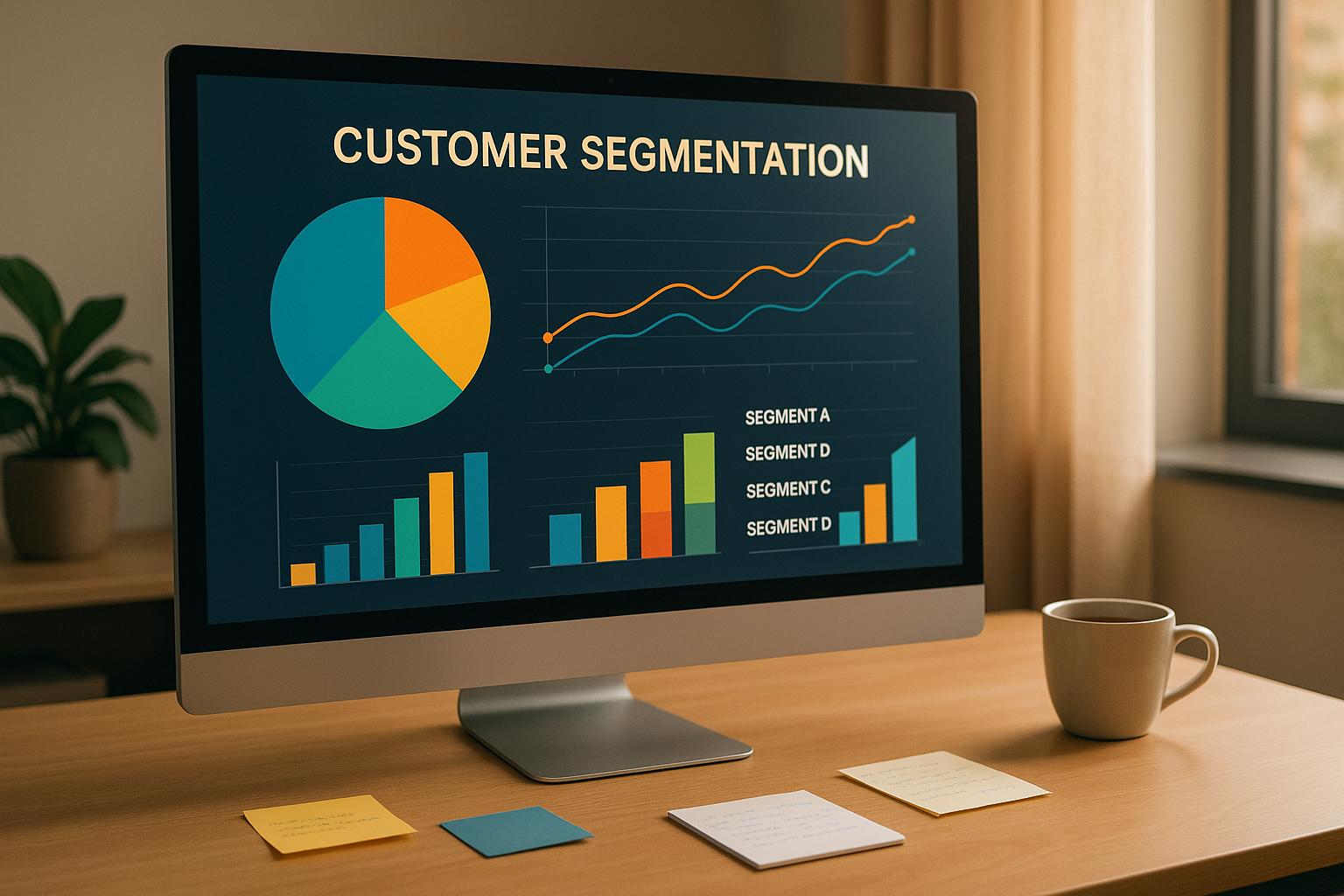
Embarking on a journey to elevate your customer relationship management? Look no further. We’ve compiled a list of the most effective CRM tools tailored for customer segmentation. These tools are designed to help you understand and engage with your customers like never before.
Customer segmentation is crucial for targeted marketing and personalized communication. The right CRM tool can transform how you interact with your audience, ensuring you deliver the right message to the right people at the right time.
Leading CRM Tools for Tailored Customer Segmentation
Below is a curated list of CRM tools that stand out in the domain of customer segmentation. These tools offer a blend of innovation, ease-of-use, and advanced features to ensure you get the most out of your CRM strategy.
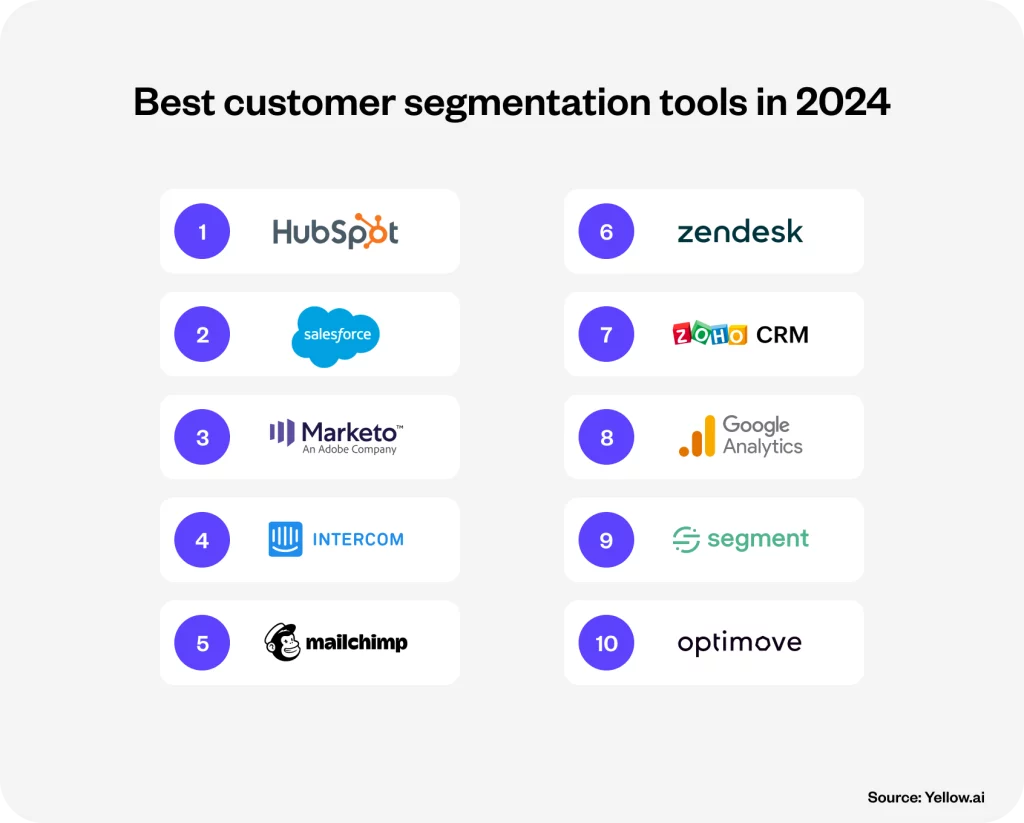
- HubSpot CRM: Known for its user-friendly interface and robust segmentation capabilities.
- Salesforce: Offers advanced analytics and customization options for detailed segmentation.
- Zoho CRM: Provides comprehensive tools for multi-channel communication and segmentation.
- Microsoft Dynamics 365: Integrates seamlessly with Microsoft products, offering powerful segmentation tools.
- Pipedrive: Designed with a focus on sales, it offers intuitive segmentation features.
Comparative Analysis of CRM Tools
When choosing a CRM tool, it’s essential to compare their features and how they align with your business needs. Here’s a comparison of some popular options:
| Tool Name | Features | Pricing | User Rating |
|---|---|---|---|
| HubSpot CRM | Contact management, marketing automation, and in-depth analytics | Free tier available, paid plans start at $50/month | 4.5/5 |
| Salesforce | Customizable dashboards, AI insights, and integration capabilities | Starting at $25/user/month | 4.6/5 |
| Zoho CRM | Omnichannel communication, analytics, and AI assistance | Free tier available, paid plans start at $12/user/month | 4.4/5 |
| Microsoft Dynamics 365 | Comprehensive business applications, AI-powered insights | Starting at $65/user/month | 4.3/5 |
| Pipedrive | Visual sales pipeline, goal tracking, and custom reports | Starting at $15/user/month | 4.2/5 |
Unique Selling Points of Top CRM Tools
Each CRM tool brings something unique to the table, apart from their shared core functionalities. Let’s explore what sets them apart:
HubSpot CRM: Its free plan is one of the most generous in the market, offering a wide array of features at no cost.
Salesforce: Renowned for its scalability and customization, making it suitable for businesses of all sizes.
Zoho CRM: Praised for its AI-driven insights and seamless integration with other Zoho Suite applications.
Microsoft Dynamics 365: Exceptional for businesses already using Microsoft products, providing unmatched integration and familiar interfaces.
Pipedrive: Its focus on sales processes ensures that teams can easily track and convert leads into customers.
Implementation Strategies for CRM Tools in Segmentation
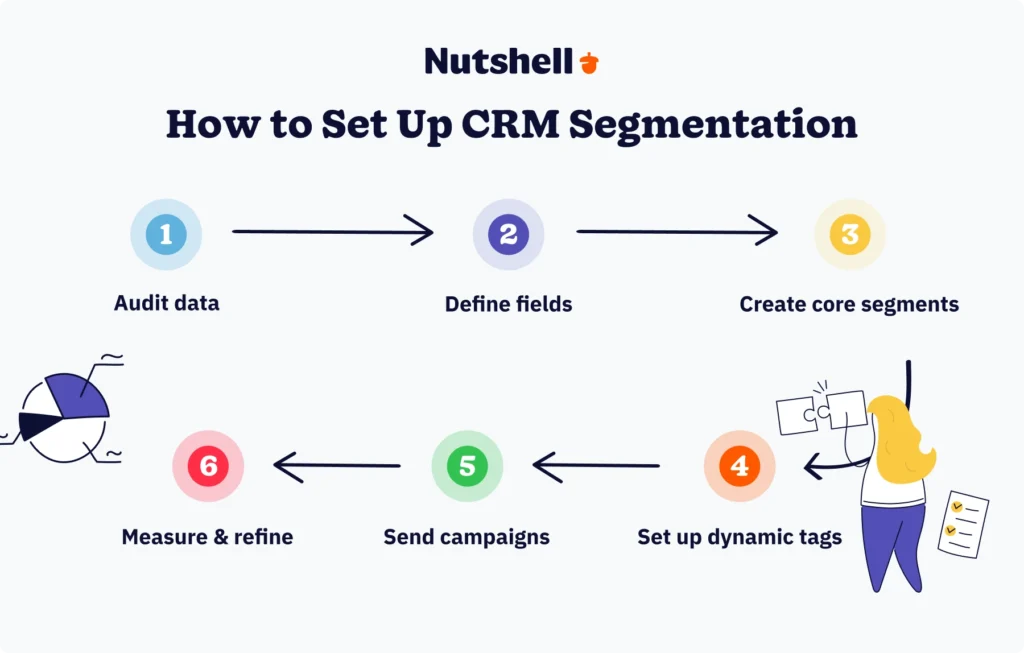
Integrating CRM tools for customer segmentation doesn’t just happen overnight; it requires a meticulous strategy that aligns with your business objectives. Let’s dive into the essential steps to make this integration as smooth and effective as possible.
Getting CRM tools to work seamlessly with your existing operations involves not only choosing the right software but also ensuring that your team is prepared and aligned with your marketing goals. The effectiveness of these tools is measured by how well they can be implemented and utilized to maximize customer insights.
Step-by-Step CRM Tool Integration into Business Operations
Successfully integrating CRM tools into your business operations demands a structured approach. Each step should be tailored to fit your unique business needs and objectives.
- Assess Current Processes: Start by evaluating your existing customer data management processes. Identify gaps and areas where CRM tools can add value.
- Select the Right CRM Tool: Choose a CRM solution that aligns with your business size, industry, and specific segmentation needs.
- Define Clear Objectives: Set specific goals for what you aim to achieve with CRM segmentation, such as improved customer targeting or enhanced personalization.
- Customize the CRM System: Tailor the CRM tool to match your business processes. Ensure that it is flexible enough to adapt to any future changes.
- Train Your Team: Conduct comprehensive training sessions to ensure that all users understand how to effectively leverage CRM functionalities.
- Integrate with Existing Systems: Ensure seamless integration of CRM tools with existing systems such as ERP, marketing automation platforms, and analytics tools.
- Monitor and Optimize: Regularly review the performance of CRM tools in achieving segmentation goals. Optimize processes and refine strategies based on data-driven insights.
Aligning CRM Capabilities with Marketing Goals
Aligning CRM capabilities with your marketing goals is crucial for extracting maximum value from customer segmentation efforts. This alignment ensures that your CRM tool not only supports but enhances your marketing strategies.
- Identify Key Metrics: Determine the metrics that matter most to your marketing objectives, such as conversion rates, customer lifetime value, or retention rates.
- Map CRM Features to Goals: Align specific CRM features with your marketing strategies. For example, use CRM data analytics to refine target audience profiles.
- Personalize Customer Experiences: Leverage segmentation data to deliver personalized marketing messages and offers, enhancing customer engagement.
- Data-Driven Decision Making: Use CRM insights to drive marketing decisions, ensuring strategies are backed by accurate and real-time data.
- Feedback Loop: Implement a feedback loop where insights from CRM segmentation inform marketing tactics, and vice versa, creating a symbiotic relationship between CRM and marketing.
“Aligning CRM capabilities with marketing goals turns data into actionable insights, paving the way for strategic growth.”
Case Studies of Successful CRM Integration
In the realm of customer relationship management, real-world examples speak volumes about the power of CRM tools in reshaping business dynamics. Successful CRM integration for customer segmentation not only enhances customer engagement but also fuels business growth.
Exploring how different businesses have leveraged CRM tools provides invaluable insights into the transformative potential of these systems. Let’s delve into some compelling case studies that showcase remarkable achievements through CRM-powered segmentation.
Retail Renaissance: Revolutionizing Customer Engagement
Leading retail brands are utilizing CRM technologies to redefine the shopping experience.
- Company A: By integrating CRM tools, they segmented their customer base more effectively, resulting in a 30% increase in repeat purchases and a 20% reduction in churn rate.
- Company B: Using CRM analytics, they identified lucrative customer segments, boosting targeted marketing success by 25%, and enhancing the overall customer satisfaction score by 15%.
Finance Transformation: Elevating Service Personalization
Financial institutions are turning to CRM for precision in customer segmentation, driving personalized service offerings.
- Bank C: Implemented a CRM tool leading to a 40% rise in cross-sell opportunities and a 35% improvement in customer retention rates.
- Insurance Firm D: Leveraged CRM for detailed segmentation, which resulted in a 45% increase in policy renewals and a 50% boost in customer acquisition.
Hospitality Innovation: Enhancing Guest Experiences
The hospitality industry has embraced CRM solutions to tailor guest experiences, setting new standards in service excellence.
- Hotel Chain E: Used CRM-driven insights to customize guest services, achieving a 60% uplift in guest loyalty memberships and a 25% growth in direct bookings.
- Resort F: Adopted CRM segmentation to refine marketing efforts, leading to a 20% increase in guest satisfaction scores and a notable 30% rise in off-peak occupancy rates.
“CRM is not just a tool; it’s a game-changer for businesses seeking to understand and cater to their customers better.”
Challenges and Solutions in Using CRM Tools for Segmentation
In the fast-paced world of customer relations, leveraging CRM tools for effective segmentation presents both opportunities and hurdles. The journey is fraught with challenges, but innovative solutions pave the way to success.
Businesses often encounter various obstacles in the implementation and optimization of CRM tools for segmentation. However, with strategic approaches and best practices, these challenges can be transformed into stepping stones towards enhanced customer engagement and satisfaction.
Understanding Data Complexity and Integration
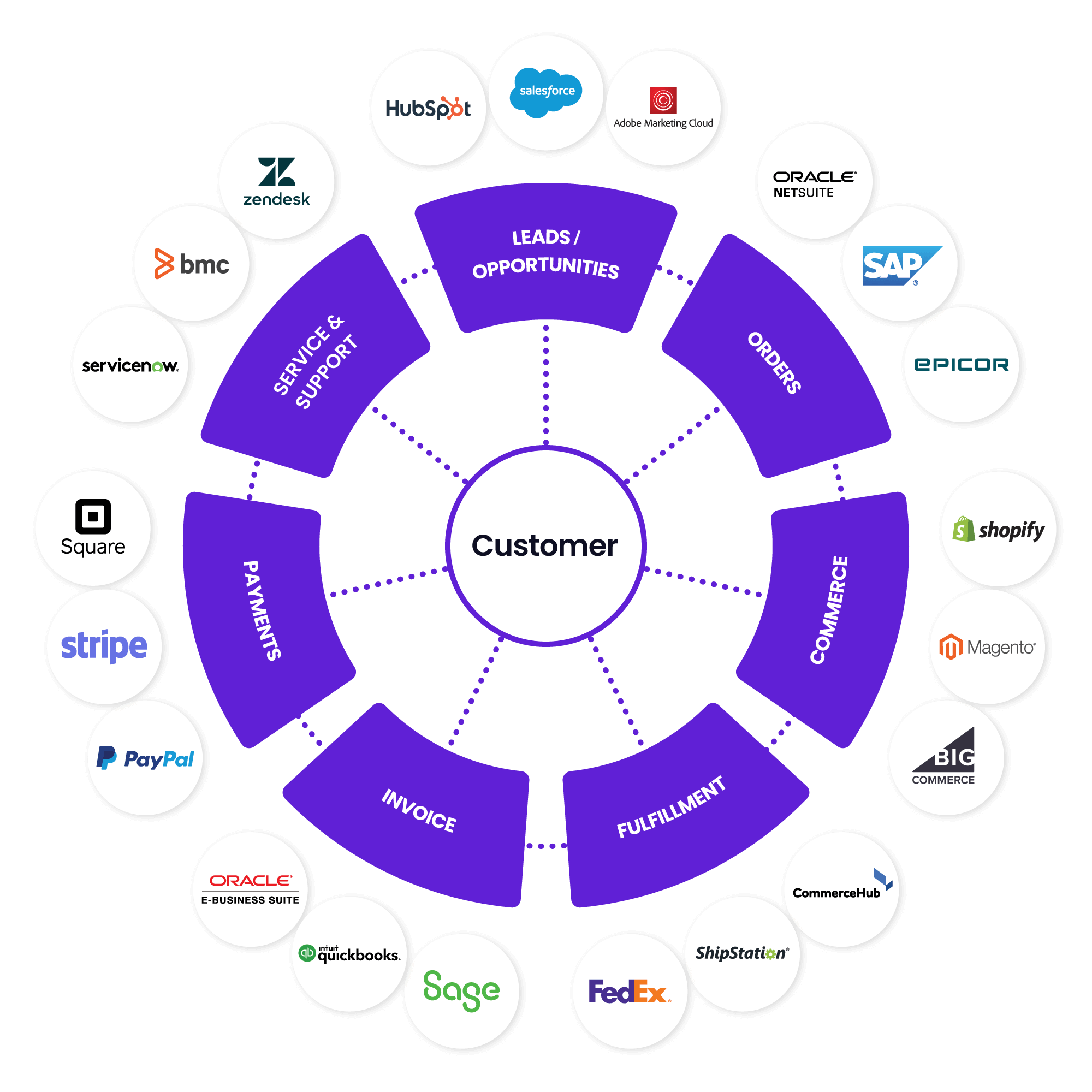
One critical challenge is the complexity of data and its integration from numerous sources. Many companies struggle to consolidate customer data from multiple platforms, leading to fragmented views and inefficiencies.
- Adopt a centralized data management system to unify diverse data streams.
- Utilize APIs and other integration tools to ensure seamless data flow between systems.
- Invest in training for team members to handle and interpret complex data sets efficiently.
Ensuring Data Accuracy and Quality
Accurate data is the backbone of any segmentation strategy. However, maintaining data quality can be a daunting task due to the ever-changing nature of customer information.
“Clean data is the secret sauce to effective segmentation.”
Emphasize regular data audits and validation processes to minimize errors. Implementing automated data cleaning tools can significantly reduce manual errors and enhance data quality.
Overcoming User Adoption Challenges
Introducing new CRM tools can often lead to resistance from the team. Ensuring that staff are well-versed and comfortable with these tools is crucial for successful segmentation.
- Conduct comprehensive training sessions and workshops.
- Foster a culture of continuous learning and adaptation.
- Highlight the benefits of CRM tools through real-world success stories within the organization.
Best Practices for CRM Tool Optimization
Maximizing the potential of CRM tools requires adhering to certain best practices. These strategies not only enhance their effectiveness but also ensure ongoing success in segmentation efforts.
| Best Practice | Benefit |
|---|---|
| Regular Updates and Maintenance | Ensures tools are up-to-date with the latest features and security updates. |
| Customized Dashboards | Provides tailored insights that are relevant to specific business needs. |
| Feedback Loops | Encourages continuous improvement and adaptation to changing business environments. |
Future Trends in CRM Tools and Customer Segmentation
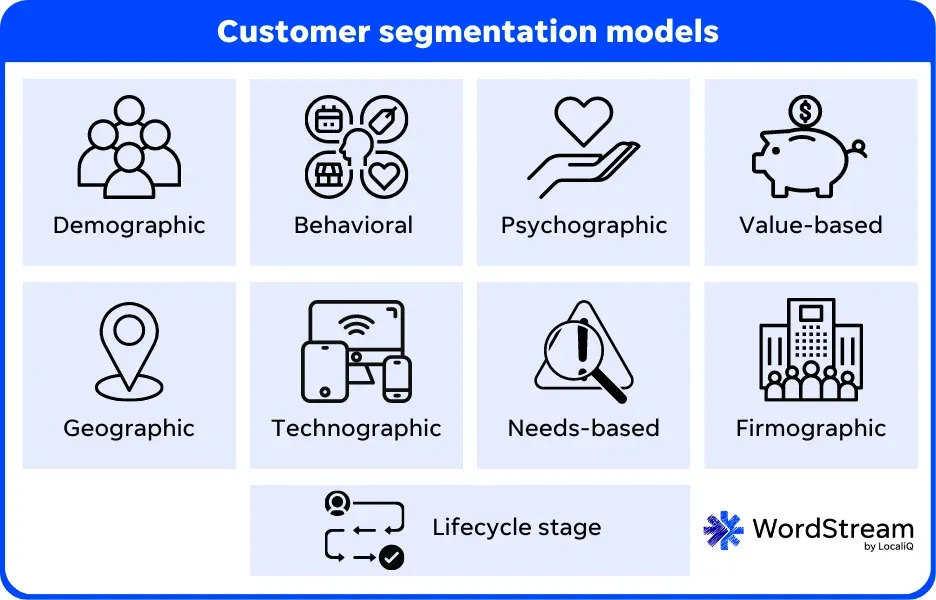
As we step into the future of CRM tools, customer segmentation is on the brink of a transformation that promises agility, personalization, and unprecedented insights. With technology advancing at a breakneck speed, brands are poised to deliver experiences that are not just personalized but predictive.
The evolution of CRM tools is being driven by cutting-edge technologies such as artificial intelligence and machine learning. These innovations are not just enhancements; they are revolutionizing the way businesses understand and engage with their customers.
Revolutionizing Segmentation with AI and Machine Learning
The integration of AI and machine learning into CRM systems marks a significant leap forward in customer segmentation. These technologies enable businesses to analyze vast amounts of data with precision, uncover hidden patterns, and predict customer behaviors before they even happen. Imagine a world where your CRM not only tracks customer interactions but foresees their needs and preferences, allowing for hyper-personalized marketing strategies.
AI-driven CRM tools can automatically update customer segments based on real-time data, ensuring that marketing campaigns remain relevant and effective. This dynamic adaptability is key to staying ahead in today’s competitive landscape. Machine learning algorithms continuously learn from customer data, refining segmentation criteria and improving accuracy over time.
Enhancing Customer Experience through Predictive Analytics
Predictive analytics is emerging as a game changer in CRM-driven customer segmentation. By leveraging historical data and identifying trends, businesses can anticipate future customer needs and tailor their offerings accordingly. This proactive approach not only enhances customer satisfaction but also drives loyalty and retention.
Furthermore, predictive analytics allows companies to identify high-value customers and focus their efforts on nurturing these relationships. This strategic allocation of resources maximizes ROI and ensures that marketing investments yield significant returns.
“The future of CRM is not reactive; it’s predictive, empowering businesses to deliver exactly what customers desire, even before they realize it themselves.”
Emerging Technologies Shaping the Future of CRM
Beyond AI and machine learning, other emerging technologies are set to redefine CRM tools and customer segmentation. The integration of Internet of Things (IoT) devices provides data streams that offer deeper insights into customer behavior and preferences. Meanwhile, blockchain technology promises enhanced security and transparency, building trust between brands and customers.
Additionally, the rise of voice and chat interfaces offers new avenues for customer interaction, making CRM systems more intuitive and user-friendly. These technologies allow businesses to capture valuable data from every customer interaction, refining segmentation strategies and enhancing personalization.
With these trends on the horizon, the landscape of CRM and customer segmentation is set to become more dynamic, insightful, and customer-centric than ever before. The future holds endless possibilities for businesses ready to harness these innovations and redefine their engagement strategies.
Last Word
The future of customer interaction is here, and it’s powered by CRM tools designed for sophisticated segmentation. As you embark on this journey, remember that the goal is not just to reach more customers but to connect with them on a deeper level. By leveraging the right CRM tools, your business not only understands but anticipates customer needs, ensuring a competitive edge in today’s dynamic market. The road to successful customer engagement is paved with insights—let CRM tools be your guide to unprecedented growth and excellence.